Urban planning is undergoing a quiet transformation. The focus is shifting from efficiency and density toward community and well-being. More than infrastructure and zoning, today’s cities are being shaped by an idea: that vibrant, inclusive communities are the foundation of sustainable urban life.
This approach, known as community-centric design, places people at the center. It begins with listening, understanding the rhythms, rituals, and aspirations of residents, and translates them into spaces that nurture belonging and purpose.
The Essence of Community-Centric Design
Community-centric design is built on dialogue. It invites residents into the planning process, ensuring that urban spaces reflect their needs and identity. Streets, parks, and buildings are no longer imposed from above; they are co-authored by the people who inhabit them.
The outcome is more than functional infrastructure. It is a city with soul, where design reflects local stories, traditions, and daily rituals. When people see themselves in the fabric of their neighborhood, they engage with it, care for it, and help it thrive.
Key Principles of Human-Centered Urbanism
1. Inclusivity and Accessibility
A truly inclusive city welcomes everyone. Streets, parks, and public services must be accessible to all, regardless of age, ability, or background. Universal design ensures that no one is excluded from the experience of urban life.
2. Green Spaces and Sustainability
Nature is essential for well-being. Integrating trees, parks, and green corridors into urban layouts cools microclimates, cleans the air, and provides places for reflection. Green infrastructure also manages stormwater, reducing environmental stress on cities.
3. Public Spaces for Connection
Communities thrive in shared spaces. Plazas, markets, and courtyards encourage spontaneous interaction, civic dialogue, and cultural events. These spaces become the heartbeats of neighborhoods, strengthening social bonds.
4. Mixed-Use Environments
Cities work best when life overlaps. By combining housing, commerce, and recreation, mixed-use developments create neighborhoods that stay active throughout the day, reducing commuting time and fostering local economies.
5. Sustainable Mobility
Walkable streets, safe cycling lanes, and efficient public transit shape healthier, more connected communities. Prioritizing movement on foot or by bicycle restores intimacy to the urban scale and reduces dependency on cars.
Challenges and Pathways Forward
Building community-centric cities requires more than design, it calls for collaboration, policy reform, and patience. Traditional planning models often favor top-down decision-making, leaving little room for local voices. Overcoming this requires new tools and mindsets.
Participatory planning workshops allow residents to share concerns and ideas. Digital feedback platforms help planners gather diverse input in real time. Pilot projects, small-scale interventions such as pop-up parks or temporary plazas, let cities test ideas before committing to permanent change.
These processes take time but build trust. They remind communities that urban design is not a distant process, but a shared act of stewardship.
Lessons from Around the World
Cities across the globe are proving the value of putting people first.
In Barcelona, the Superblock initiative reclaims streets from cars, creating networks of pedestrian-friendly zones filled with trees and benches. The result is cleaner air, quieter neighborhoods, and stronger community ties.
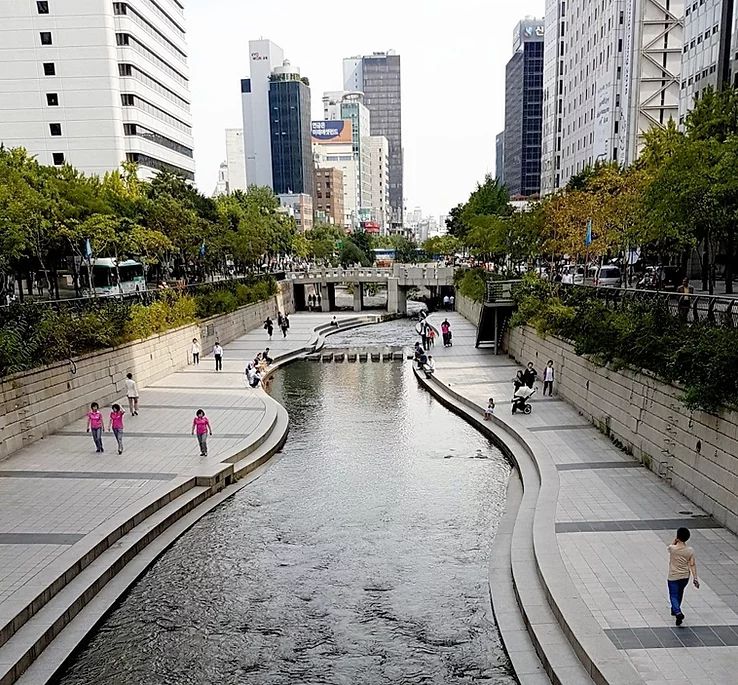
In Seoul, the Cheonggyecheon River restoration transformed an old highway into a lush public park. The project reconnected citizens with nature and revitalized the surrounding economy.
In Copenhagen, decades of investment in cycling infrastructure have turned biking into the city’s primary mode of transport, reducing emissions and fostering a culture of healthy mobility.
Each example shows how urban design can nurture not just physical infrastructure but collective identity.
Designing for the Future
The future of cities will be measured not only by skylines but by how people feel within them. Architecture and planning must move beyond efficiency to embrace empathy. Spaces should support mental well-being, social equity, and cultural expression.
Community-centric design also aligns with broader global goals, including the United Nations’ Sustainable Development Goal 11: building cities that are inclusive, safe, resilient, and sustainable. It is an approach that responds to climate challenges while honoring human connection.
A Call for Meaningful Urbanism
At Roy Chaaya Architects, we believe every city tells a story. The planner’s role is not to write it alone but to guide its composition, aligning function with emotion, and progress with belonging. Cities should invite participation, celebrate diversity, and adapt gracefully to the needs of their people.
The path forward is clear: design must listen before it acts. When cities grow from the voices of their communities, they become more than built environments. They become places of identity, memory, and shared purpose.
Community-centric urban planning is not a trend. It is a return to the essence of why cities exist—to bring people together, to inspire exchange, and to build collective futures rooted in empathy and design clarity.