The spaces we inhabit hold quiet power. They shape how we live, move, and feel. Over time, our needs shift, yet our environments often remain still. Eventually, we begin to sense a quiet restlessness—a whisper that says it’s time to evolve. Architecture is not static; it is a mirror of life’s rhythm. Recognizing when your space no longer reflects who you are is the first step toward meaningful transformation.
Expanding Space, Expanding Life
As life grows, so do our expectations of space.
A family that once fit comfortably may now crave breathing room. A new hobby might need a corner. Remote work may call for quiet focus.
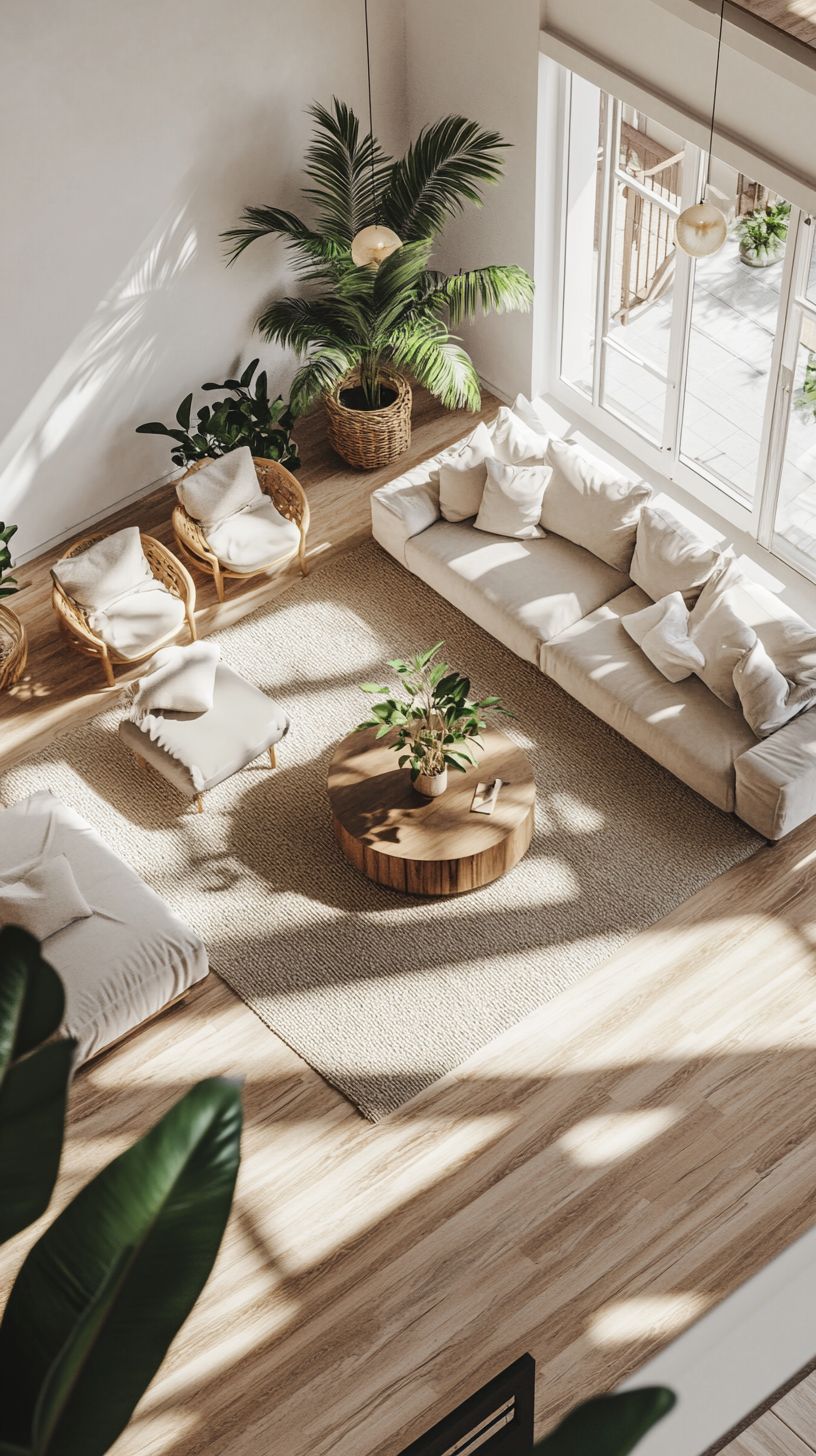
If you find yourself rearranging furniture in search of flow, or wishing for more natural light and calm, your home may be asking for renewal. Expansion doesn’t always mean building more,it can mean reimagining what’s already there. Opening partitions, redefining functions, or extending outdoor areas can create new experiences within familiar walls.
Your space should move with your life, not hold it back.
Bringing Time Forward
Design ages. What once felt contemporary can begin to feel distant. Materials fade, layouts grow heavy, and systems lag behind. A space that no longer resonates often signals the need for modernization.
A thoughtful renovation introduces today’s clarity: clean lines, layered light, and responsible materials. Energy-efficient systems, smart controls, and durable finishes restore both relevance and purpose. The goal is not to chase trends but to bring your environment into alignment with the present—functional, graceful, and sustainable.
Seeing Old Spaces Anew
Sometimes, transformation begins not with demolition but with reinterpretation.
Adaptive reuse invites you to see potential where others see obsolescence.
A disused attic becomes a studio. A warehouse evolves into a luminous gallery.
By honoring existing structure while infusing new life, you preserve memory while shaping the future. This approach celebrates continuity, keeping the story alive while writing its next chapter.
Designing with Intelligence
Our daily lives now move through networks of technology. Architecture can embrace this quietly through smart systems that serve both comfort and sustainability.
Automation adjusts lighting and temperature with precision. Sensors optimize energy use. Security integrates seamlessly, providing peace without intrusion.
These features turn homes into responsive environments, spaces that listen, learn, and adapt.
Smart architecture is not about complexity; it’s about calm. It allows space to function with ease so that life flows naturally.
Restoring Emotional Connection
Beyond function, design carries emotion.
When you no longer feel inspired or at ease in your environment, it may be time for aesthetic renewal.
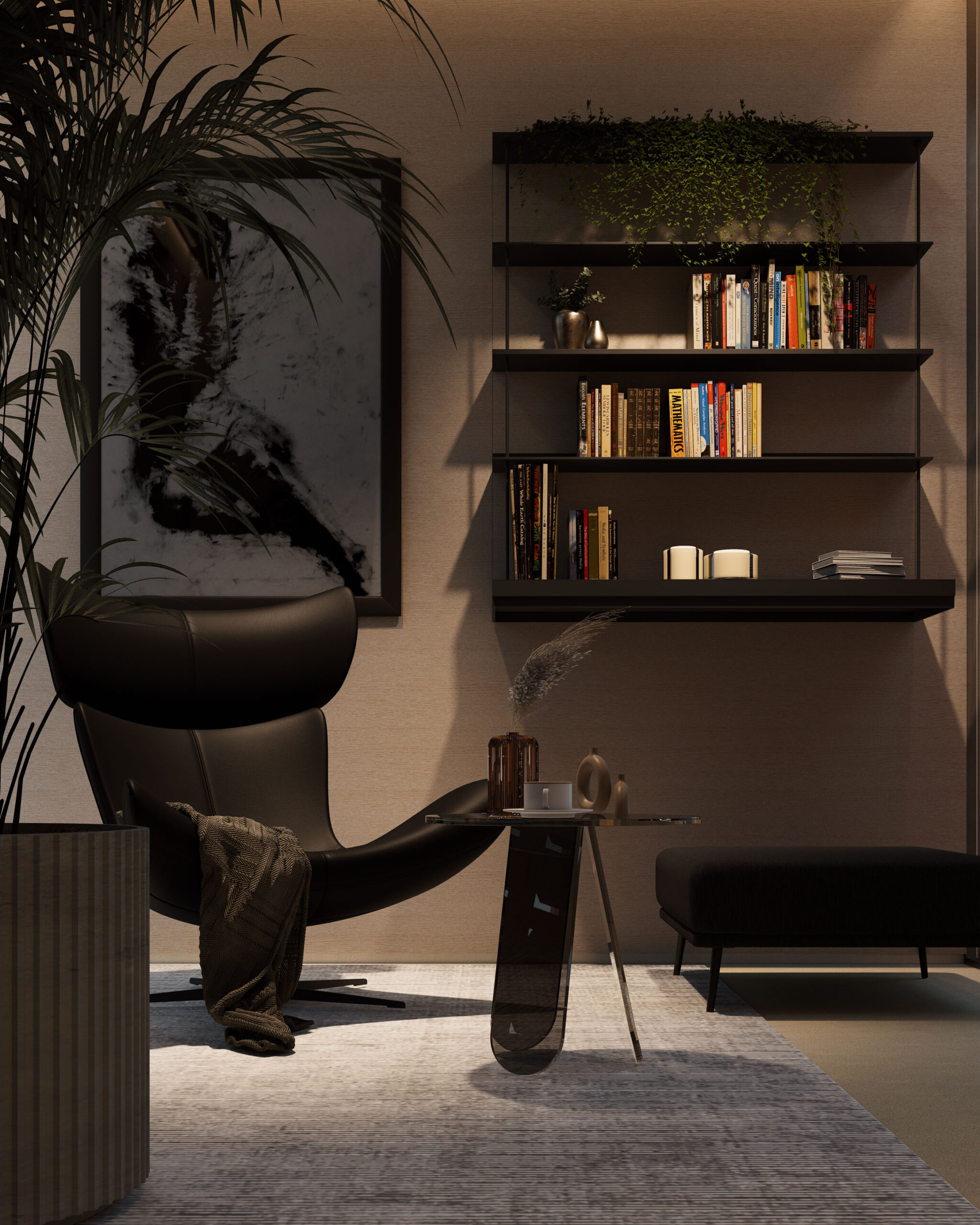
Color, texture, and proportion influence mood. A minimalist palette can bring focus. Richer tones can evoke warmth and depth. Each design choice is an expression of self, shaping how you inhabit and perceive your world.
Architecture should not only serve; it should resonate. It should tell your story with quiet clarity.
Sustainability as a Way of Living
Buildings breathe and consume. Over time, older systems can become inefficient, draining energy and comfort.
Sustainable renovation restores balance, through improved insulation, cross-ventilation, and the use of renewable materials.
Green design is not an aesthetic; it is a responsibility.
It honors both your well-being and the environment that sustains it. A home designed with awareness becomes a legacy of care.
Preparing for the Future
Life changes in ways we can’t always predict.
Spaces that are flexible, open layouts, modular partitions, adaptable rooms, offer resilience. Choosing durable materials and timeless details ensures longevity and ease of maintenance.
Future-proofing means designing with foresight: anticipating growth, technology, and evolving habits. It is an investment in continuity.
Listening to Your Space
Architecture is a dialogue. Your space speaks through discomforts, inefficiencies, and desires for renewal.
Listen closely. When rooms feel too tight, too dim, or emotionally distant, they may be signaling a need for change. Transformation does not always mean starting over. Sometimes it begins with one wall, one window, or one material that shifts the entire experience.
The purpose of architectural evolution is not only beauty, but alignment, between who you are and where you dwell.
A Space That Grows With You
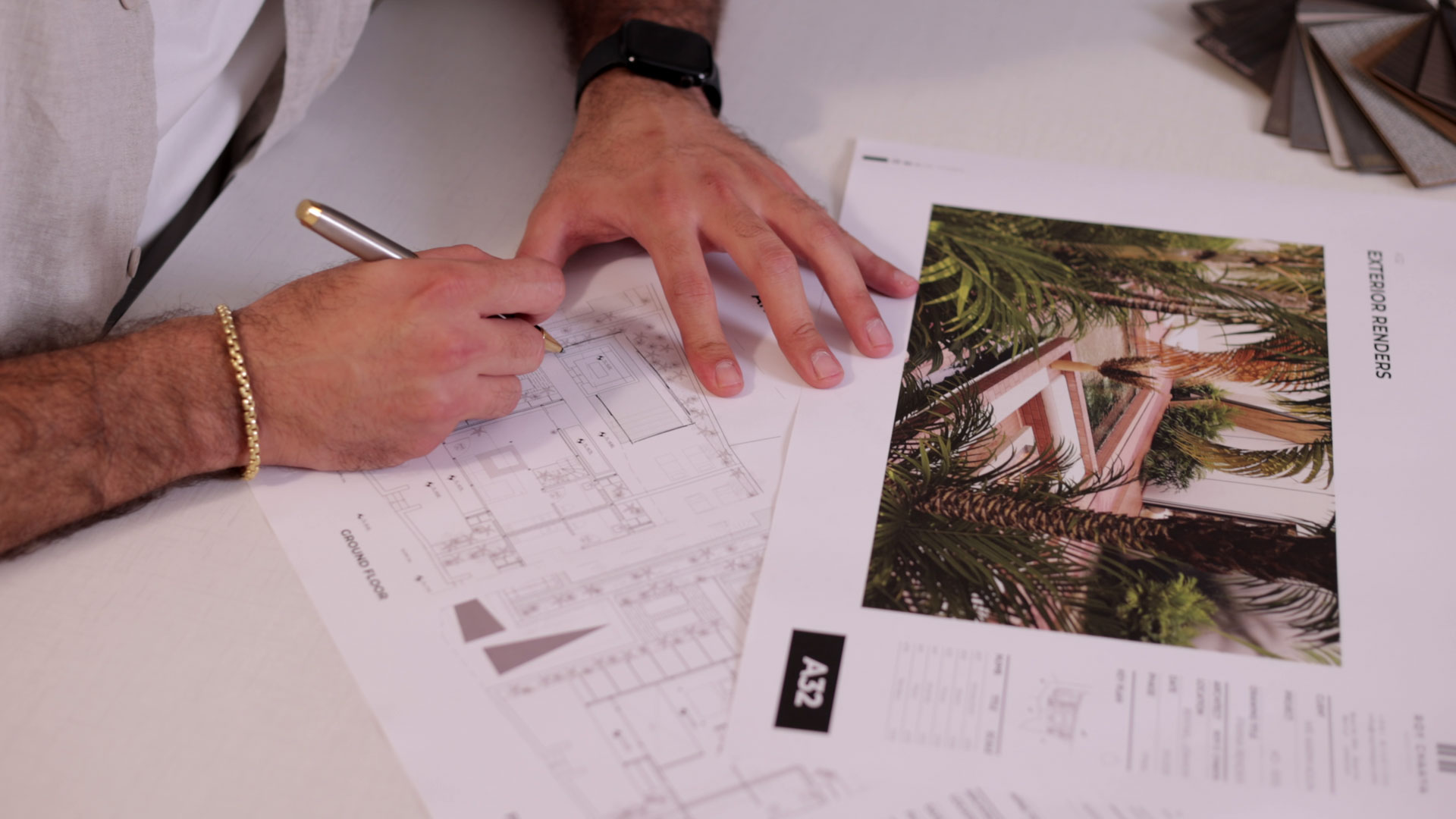
At Roy Chaaya Architects, we believe every transformation begins with listening.
We study how you live, your rituals, your pace, your aspirations, and translate them into design that feels both new and familiar.
Change is not disruption. It is refinement.
When done with intention, it brings light, rhythm, and meaning back into the places we call home.
Your space tells a story. Let the next chapter reflect who you are becoming.