Architecture begins with life, not walls.
Before drawings or models, there is a sequence of small human actions: the path of morning light across a bedroom, the pause for coffee, the sound of a door closing at night. These quiet rituals shape a building long before its footprint reaches paper. When we talk about systems in architecture, we mean more than mechanical or structural networks. We mean the living system of daily use, the environment that holds it, and the cultural habits that give it rhythm.
Reading the Patterns

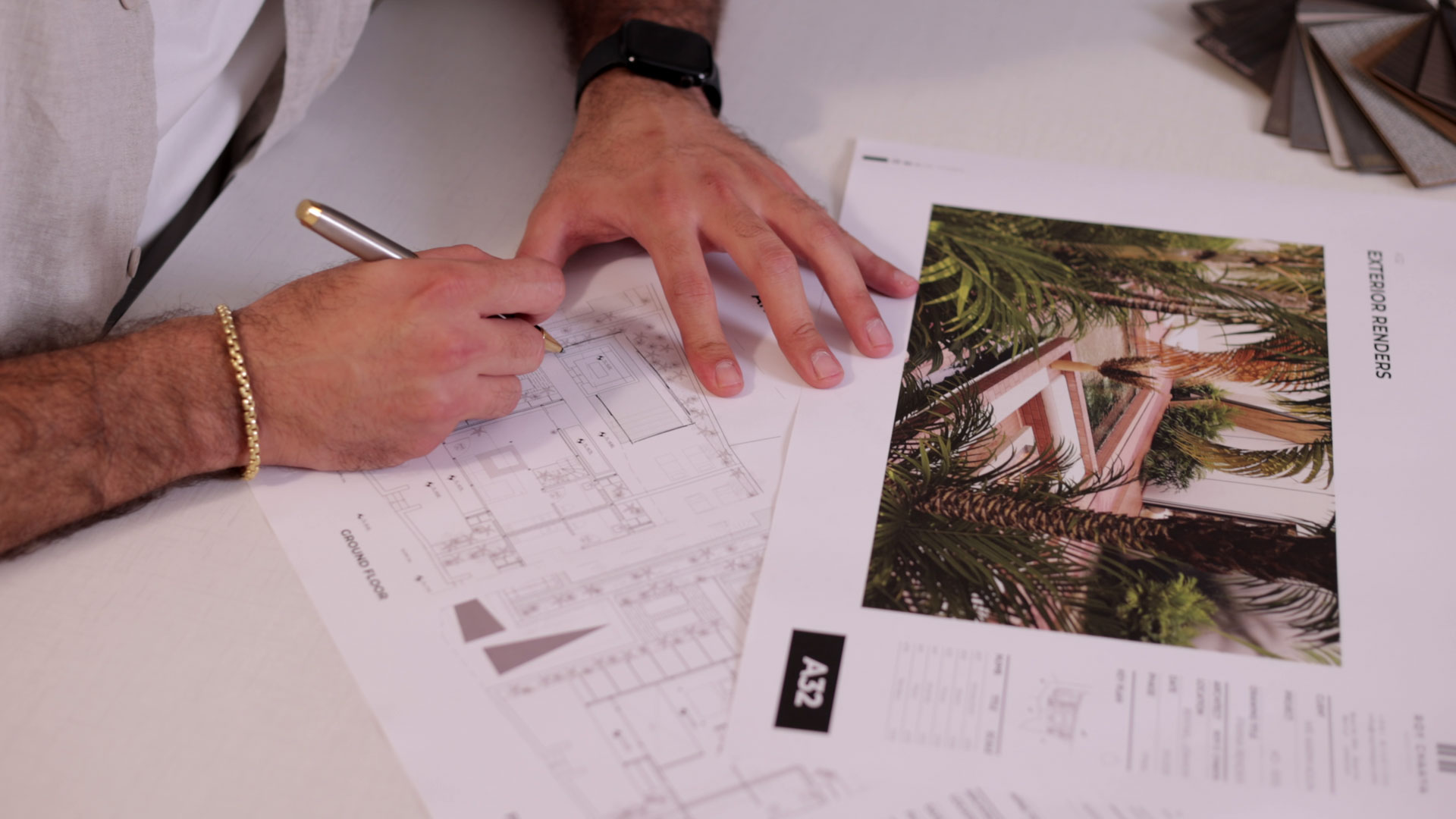
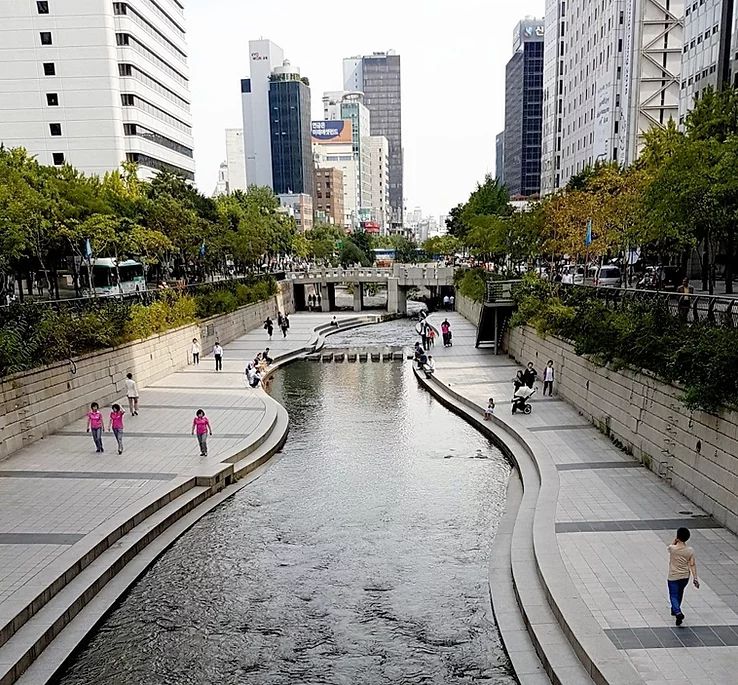
Every commission starts as a conversation about how someone lives. We listen for the patterns hidden in routine, when a family gathers, how they rest, where they seek privacy. A house might need a shaded threshold because evenings are spent outdoors. A studio might call for a continuous line of sight because the client values openness and flow. These details are not decorative. They are the program. Environmental context is equally present. Light, wind, and topography are systems in themselves. In Lebanon, a west-facing terrace captures the sunset but demands a strategy for heat and glare. A mountain site invites cross-ventilation and thick walls that hold warmth. The form of the building grows from these natural forces as much as from a floor plan.
Lifestyle as Blueprint
In our practice, we treat a client’s lifestyle as the primary drawing. Architecture becomes a translation of habit into space. A couple who wakes before dawn might need a kitchen aligned with first light. Someone who entertains often may require a sequence of rooms that expand effortlessly from private to public. This approach means no two projects share the same proportions. Light, texture, and alignment are unique to each person. What feels balanced for one client may seem oversized or spare for another. Our role is to find the quiet logic in their preferences and give it architectural form.
Function with Poetry
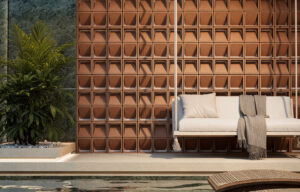
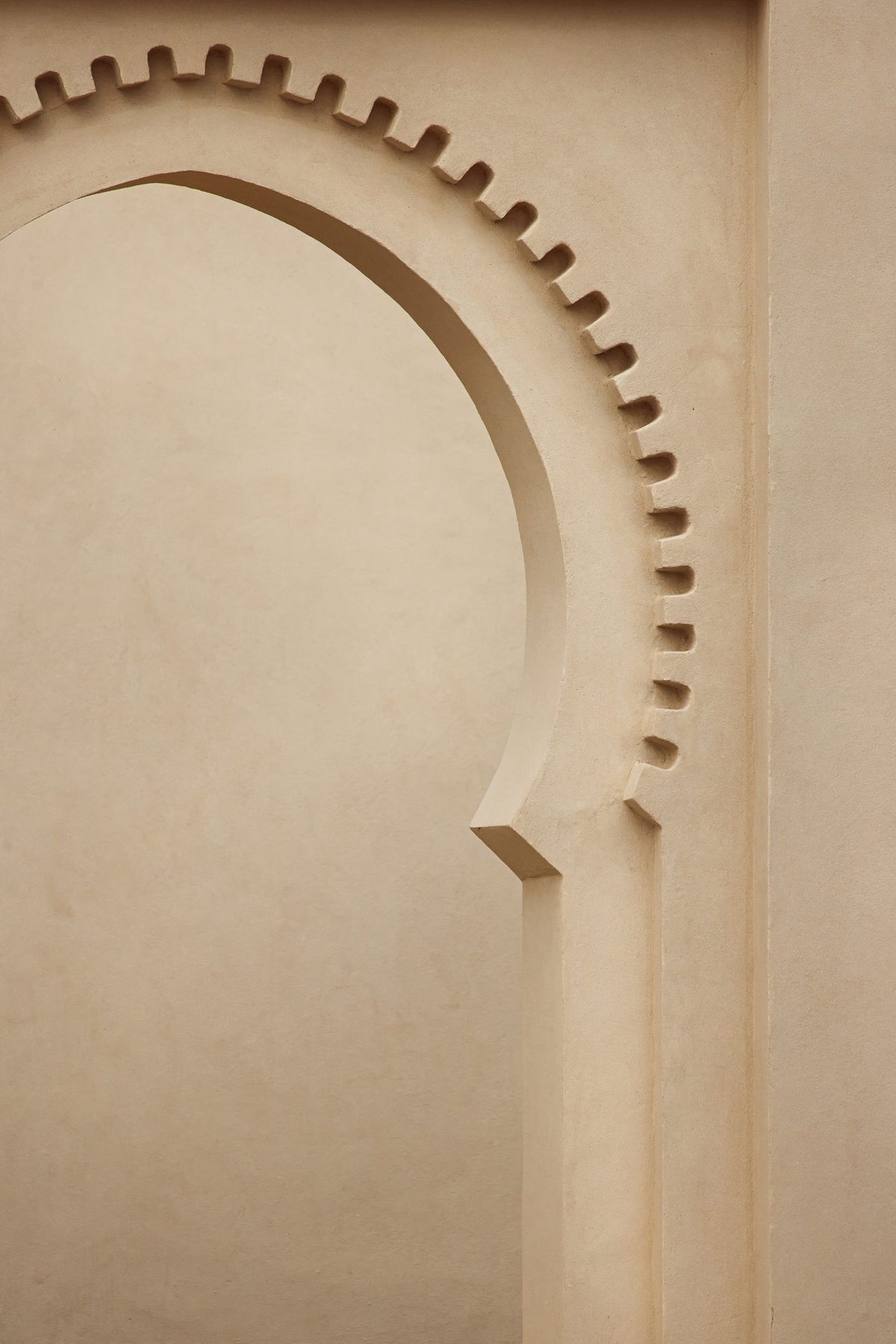
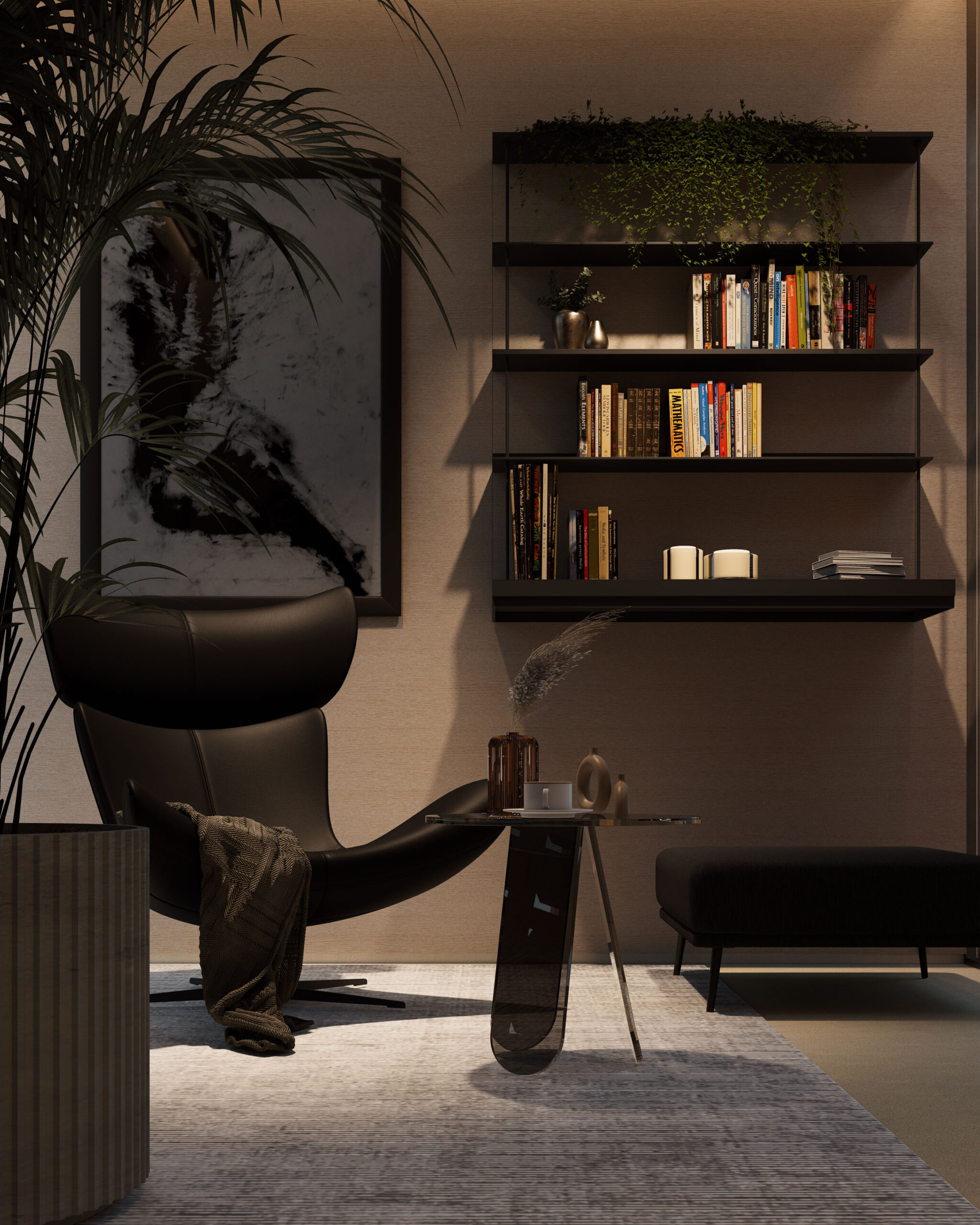
Function shaping form is sometimes mistaken for pure pragmatism. In truth, it allows poetry to emerge. When the structure grows from real patterns of living, details feel inevitable: a grain of oak that matches the morning light, a corridor that frames a view without forcing it, a window seat that holds both solitude and a breeze. Texture and proportion carry emotional weight. The thickness of a wall, the depth of a shadow, the way light bends across stone, these are decisions guided by function yet experienced as comfort and beauty. They turn daily movement into ritual.
A Shift in Perspective
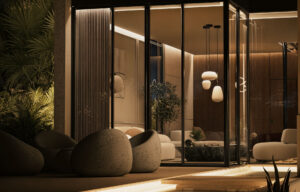
For many clients, this process is a revelation. Instead of choosing a style or following a trend, they begin to see design as a mirror of themselves. The question changes from What does the building look like? to How will we live inside it? This shift creates buildings that endure. They are not bound to a moment in fashion. They hold meaning because they are rooted in the people who inhabit them and the land that sustains them. Each project becomes an architectural monument to a specific life, a private narrative expressed in structure, light, and grain.
An Invitation
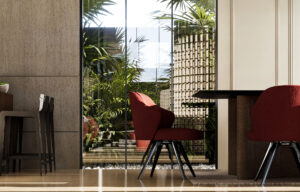
Our work asks for curiosity. Imagine how your own routines, preferences, and aesthetics could become space. Consider how the texture of your mornings or the cadence of your evenings might translate into stone, timber, or glass. Architecture, at its best, is not imposed. It listens, absorbs, and responds. Function does not limit form; it reveals it. Discover the full story in our messages. Share your brief and we will listen. Together, we can align the invisible systems of your life with the tangible craft of building, transforming lifestyle and environment into a design that feels both inevitable and entirely your own.