Homes Are Not Static
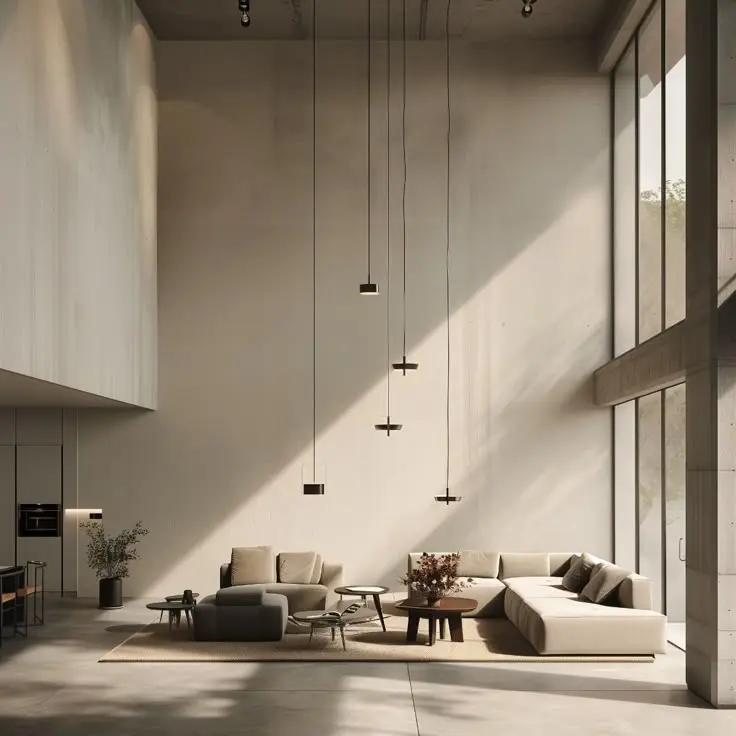
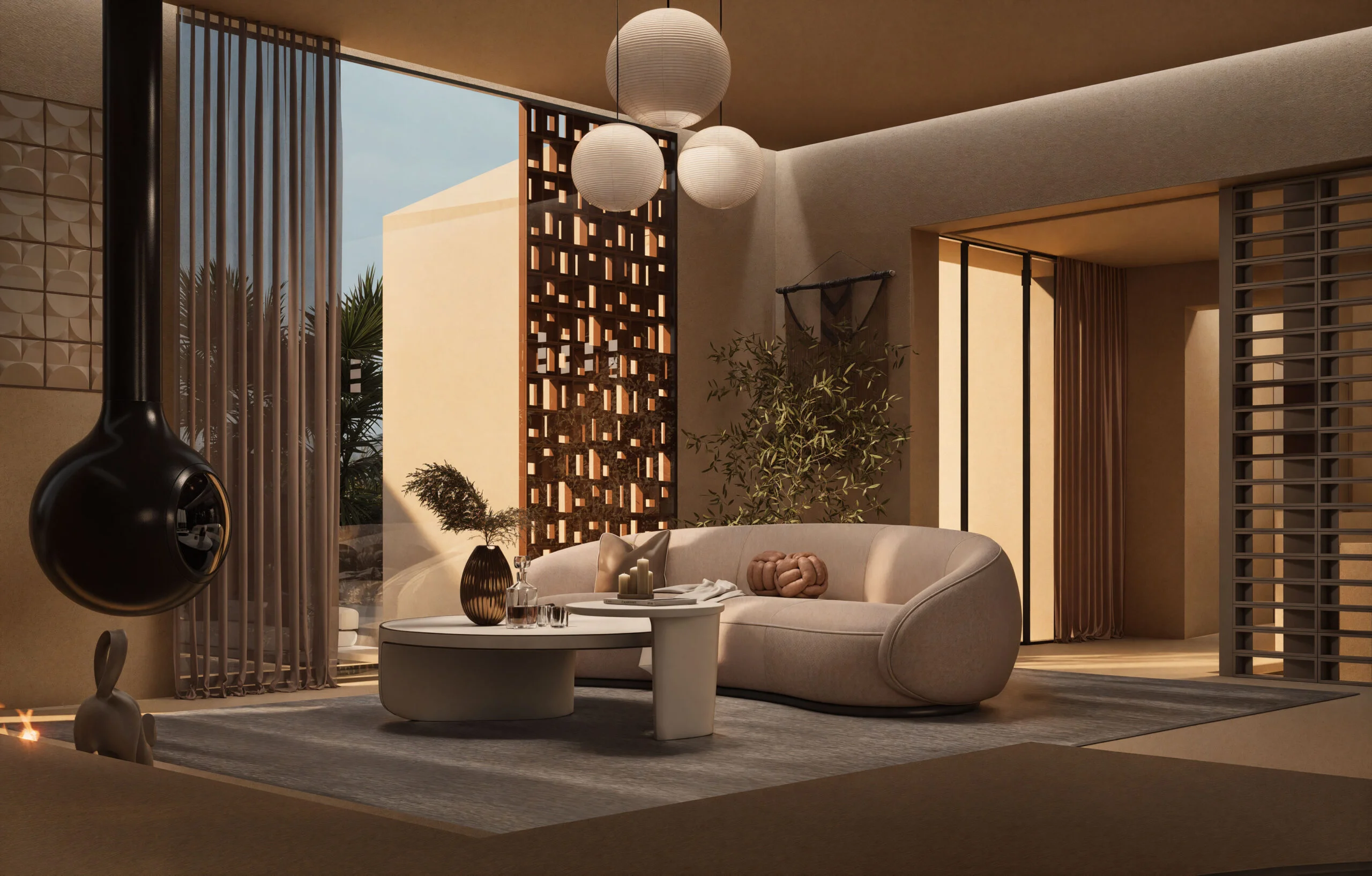
A home is never finished in the way a drawing is finished.
It continues to change long after construction ends, shaped by routines, habits, and life itself.
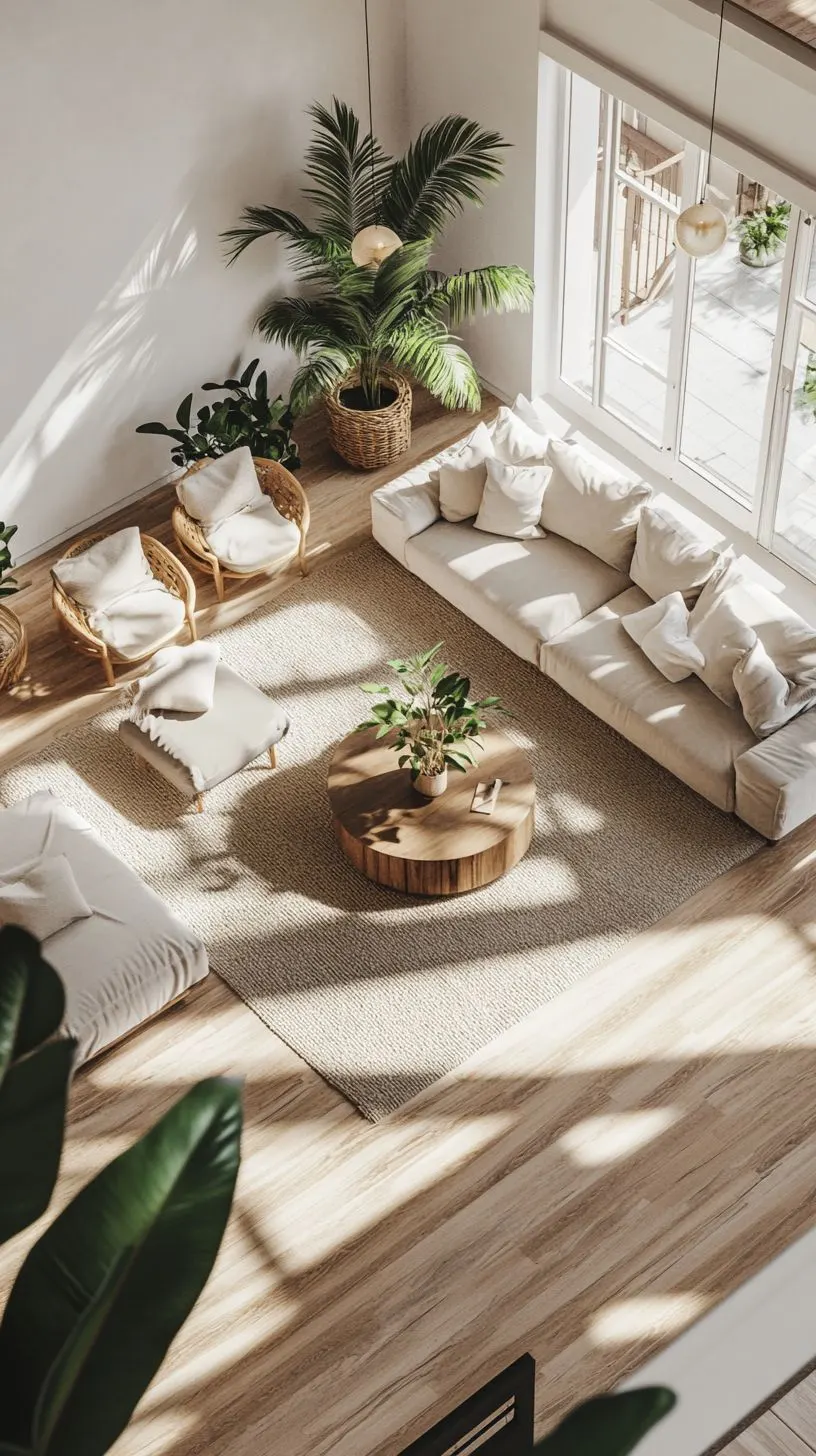
What begins as a quiet office may later become a nursery. A corner once reserved for reading slowly turns into a place for morning movement. Even the way we gather shifts over time, hosting differently, seeking more calm, or carving out moments of solitude.
Architecture that ignores this evolution eventually resists its inhabitants. Architecture that anticipates it continues to support them.
Designing for Change in Adaptable Home Architecture
Adaptable homes are not defined by moving walls or visible mechanisms.
They are defined by intention.
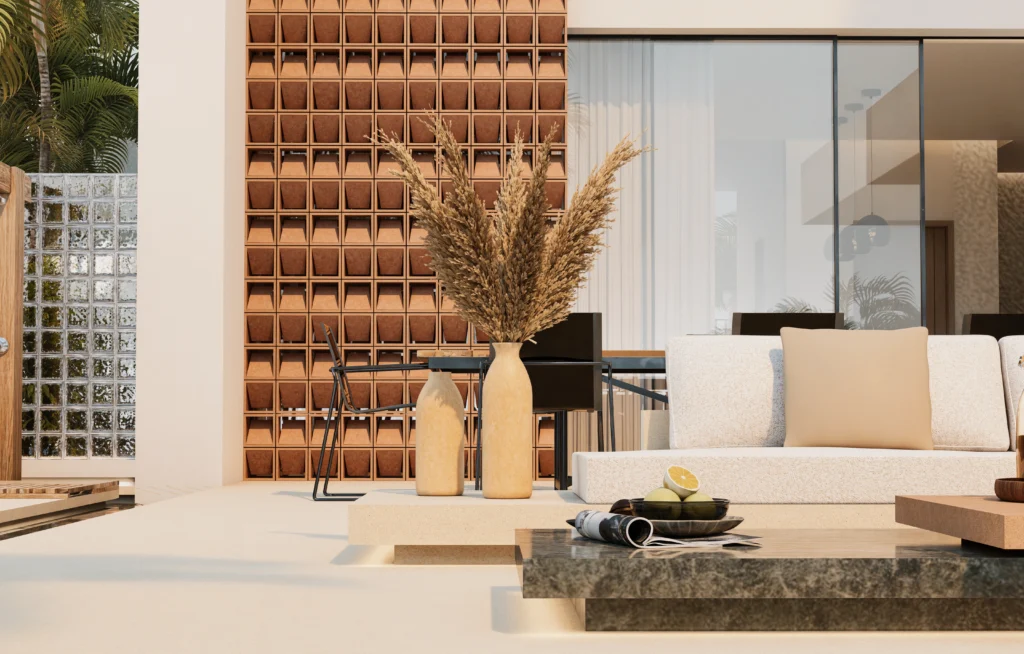
Proportions that allow rooms to accept new functions without strain. Clear circulation that does not collapse when furniture changes. Walls placed where they support flexibility rather than restrict it.
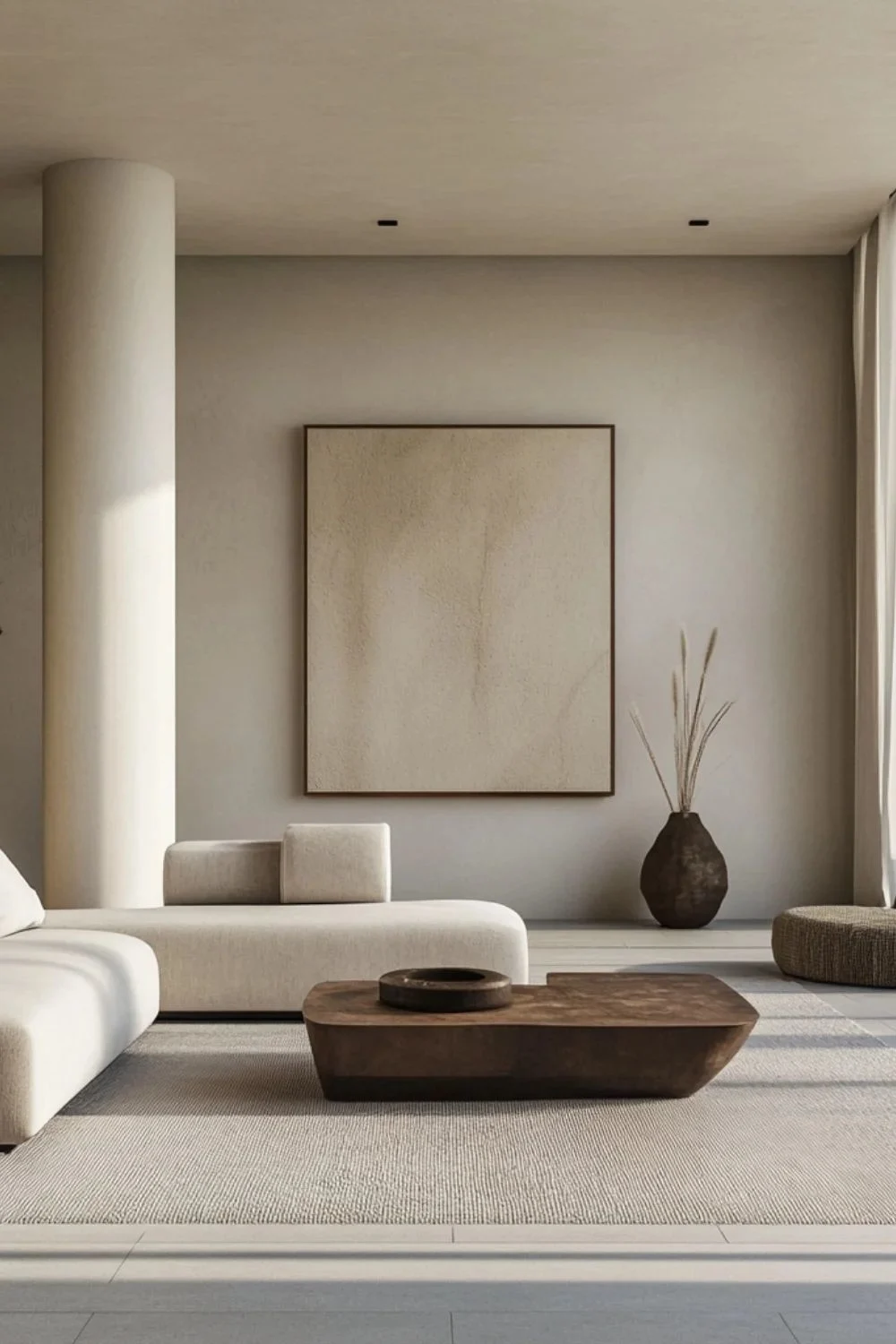
A room designed with balance can host different lives without feeling forced. It absorbs change quietly, without demanding renovation every few years. This is not about planning every future scenario, but about allowing space to respond naturally when life shifts.
Spaces That Shift with Routine
Our routines today are different from those of a decade ago.
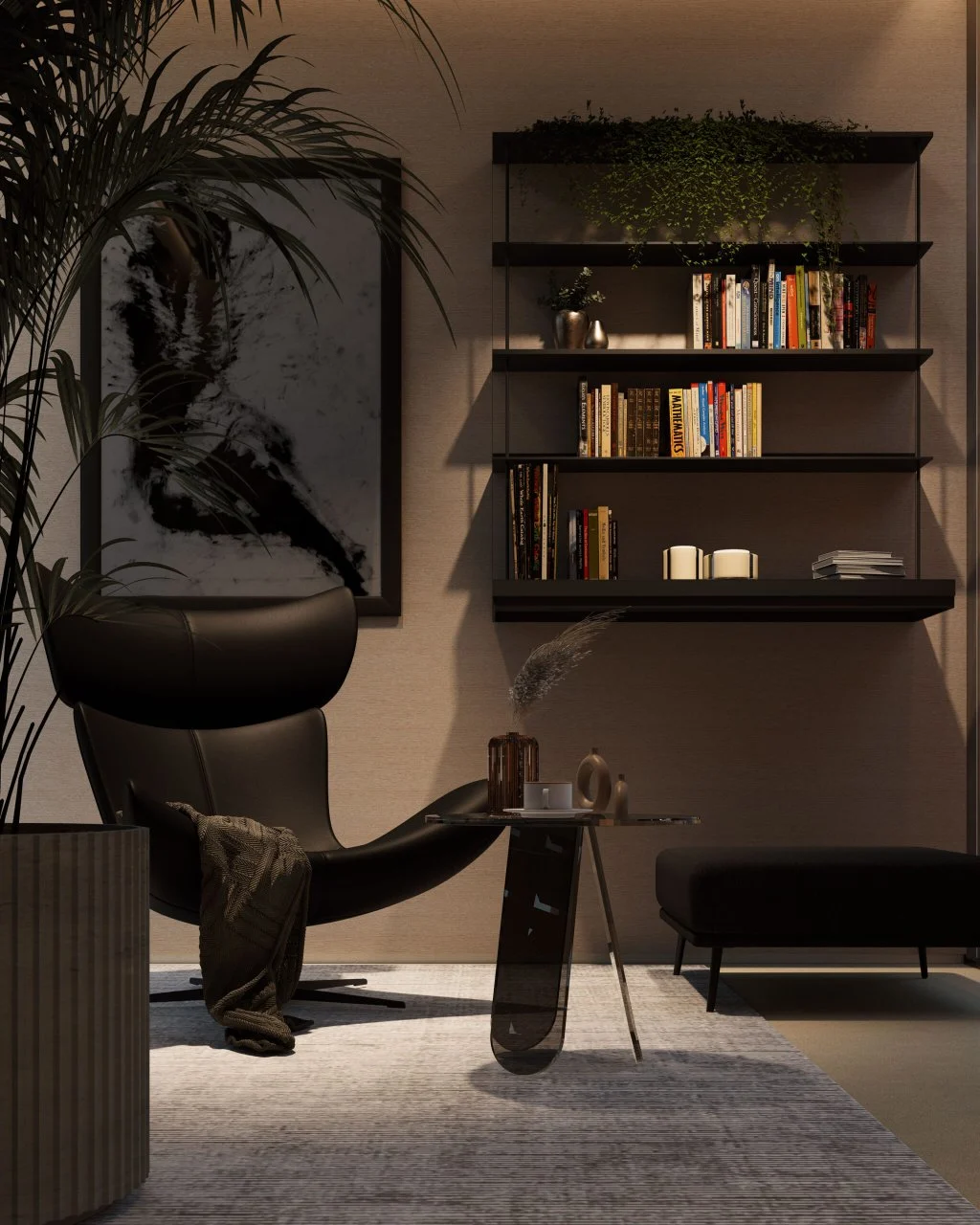
Working from home is no longer an exception. Time spent indoors has increased. The need for quieter corners, controlled light, and acoustic comfort has become essential.
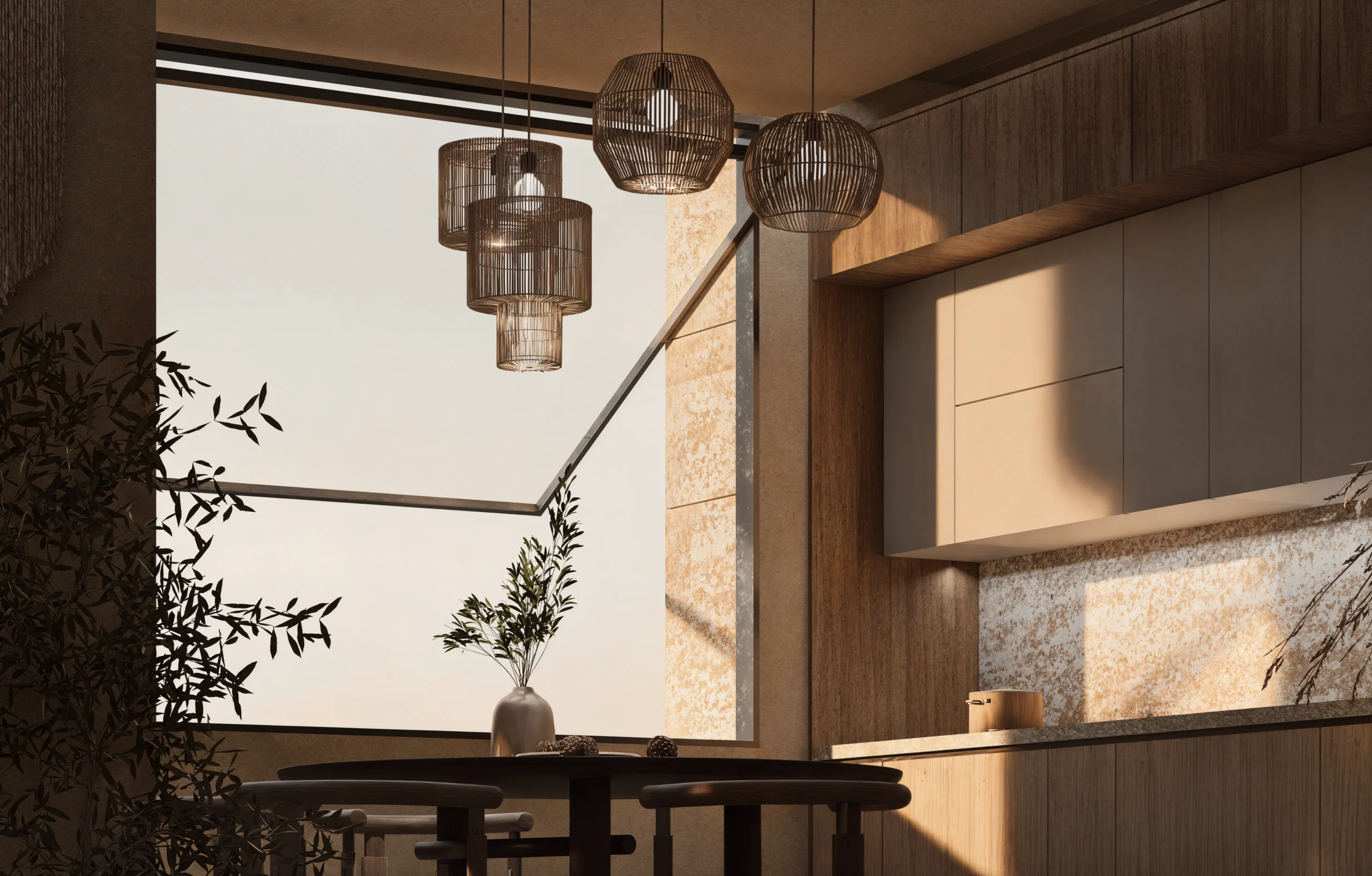
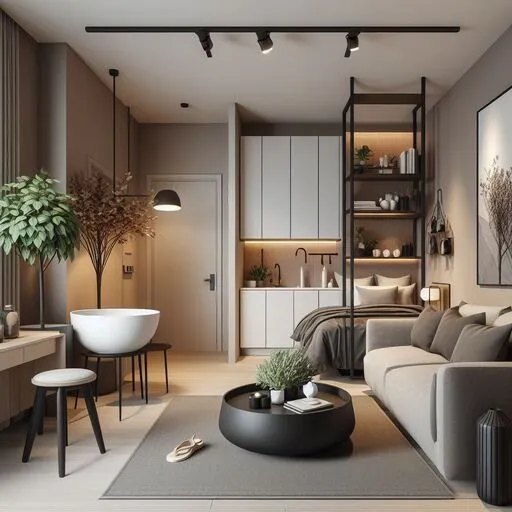
An adaptable home recognizes this. It allows a space to hold focus during the day and release into rest at night. It creates zones rather than fixed programs, supporting overlap instead of rigid separation.
When architecture follows life instead of dictating it, spaces remain relevant longer.
Materials That Carry Time Well
Adaptability is not only spatial. It is material.
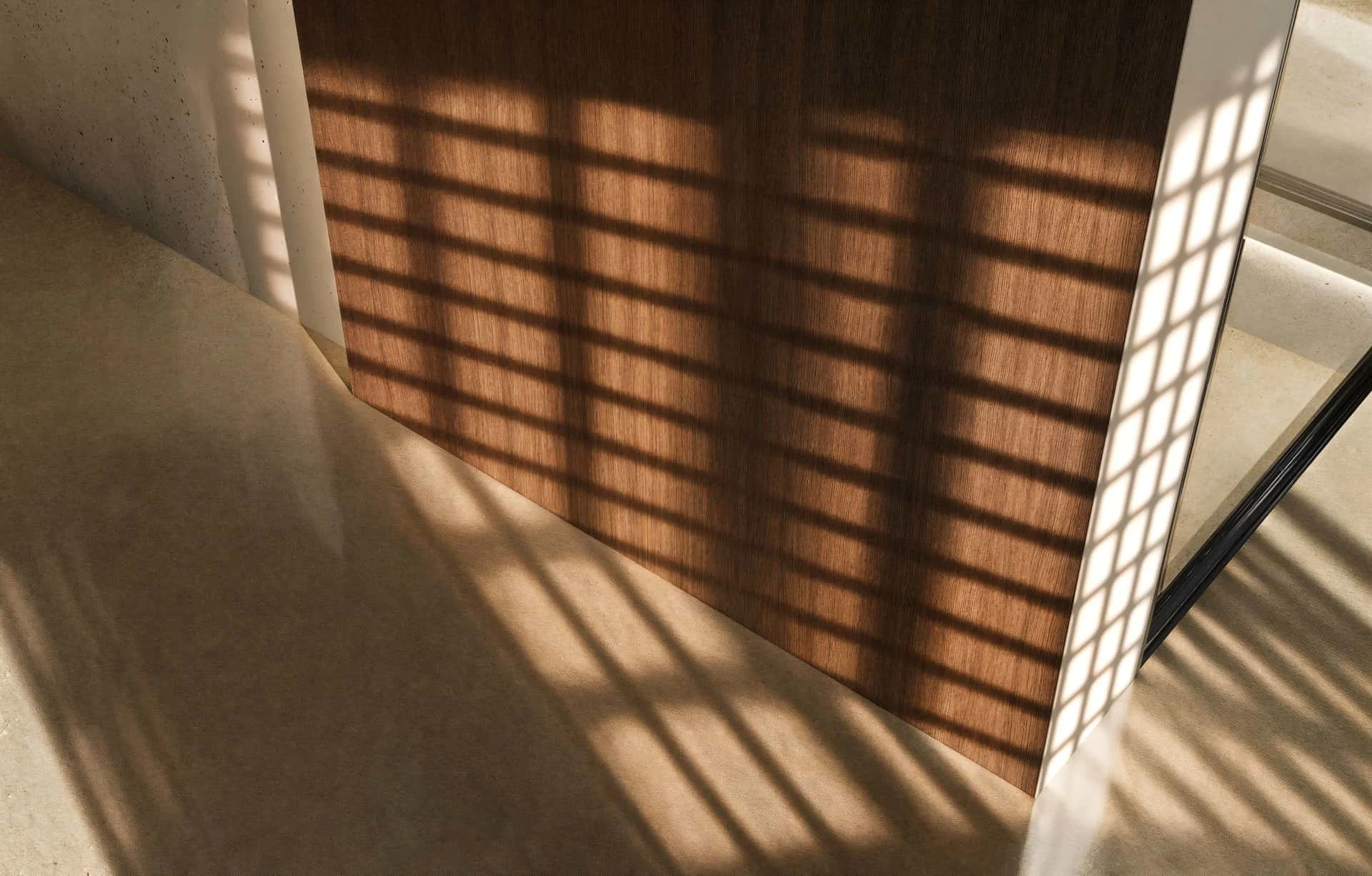
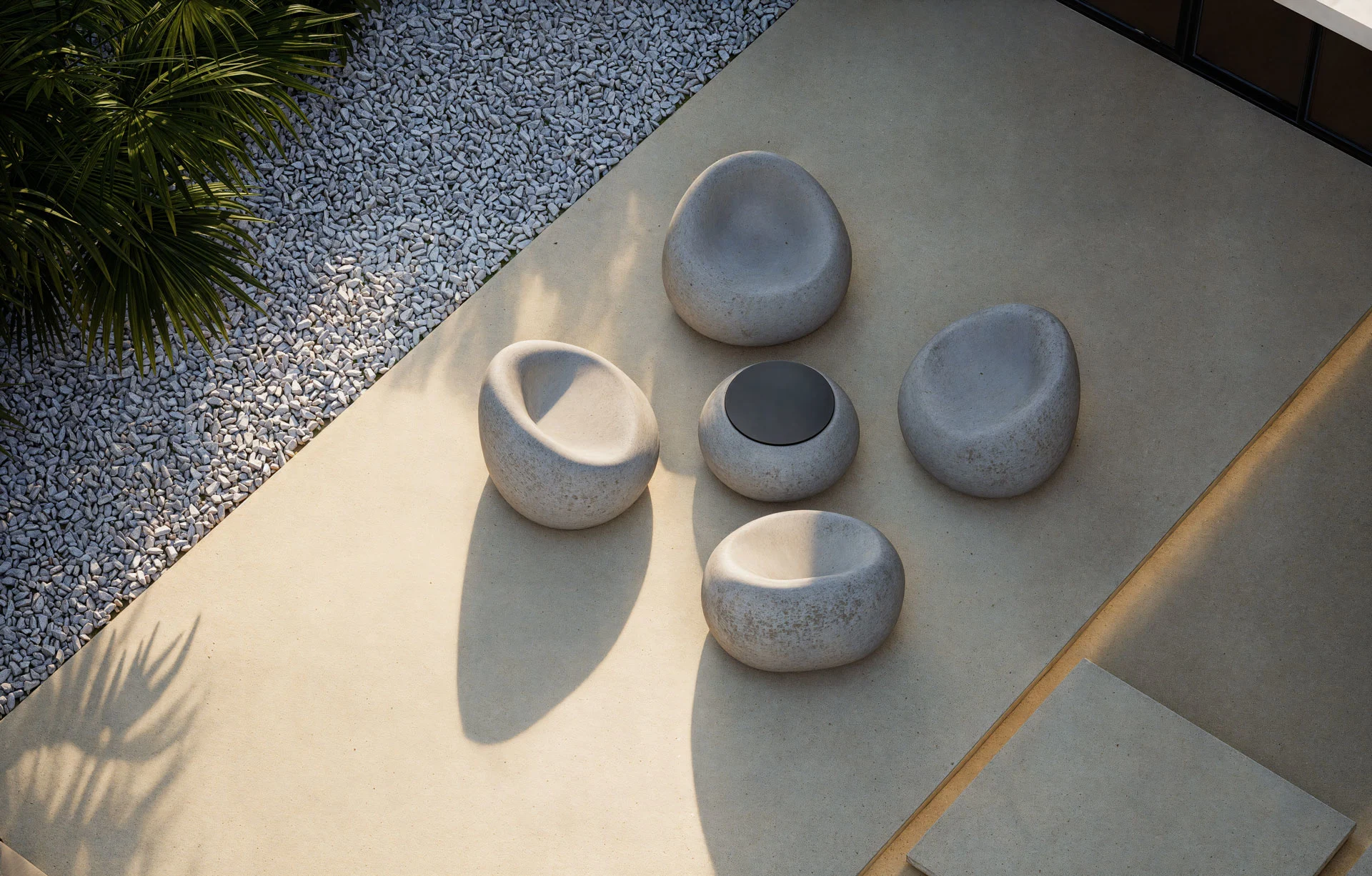
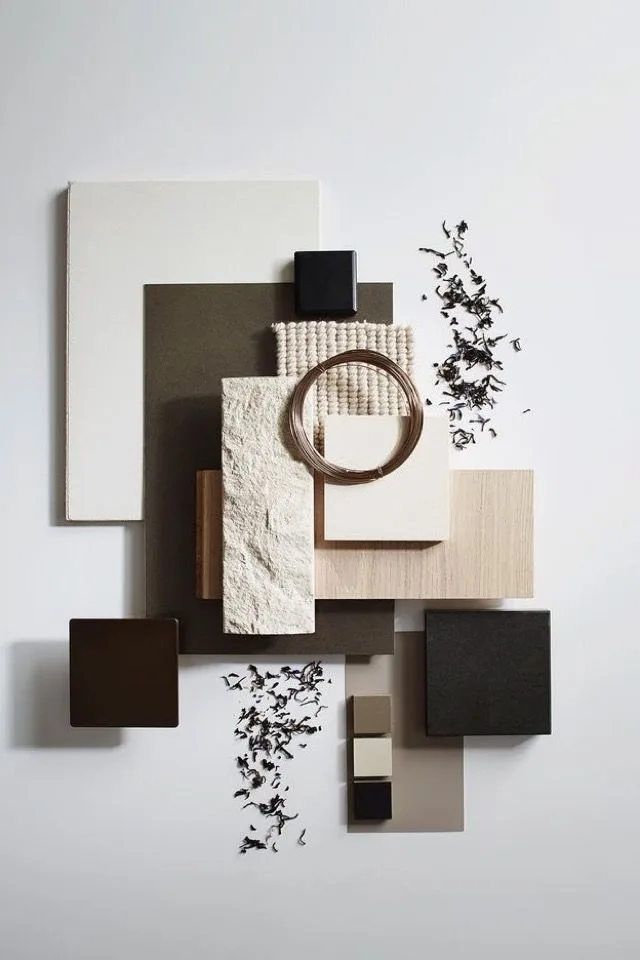
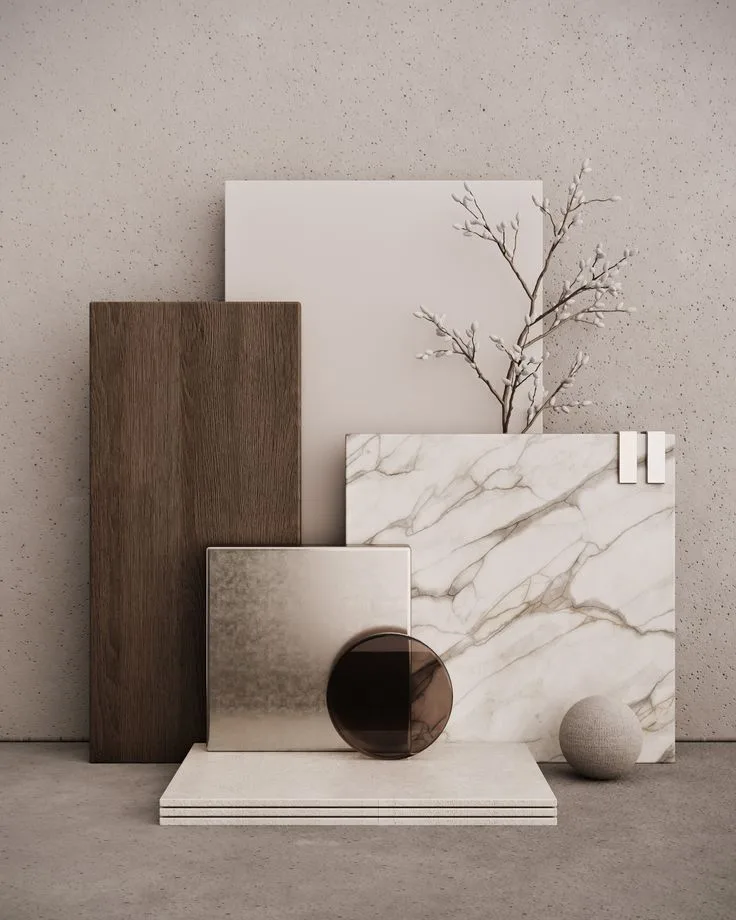
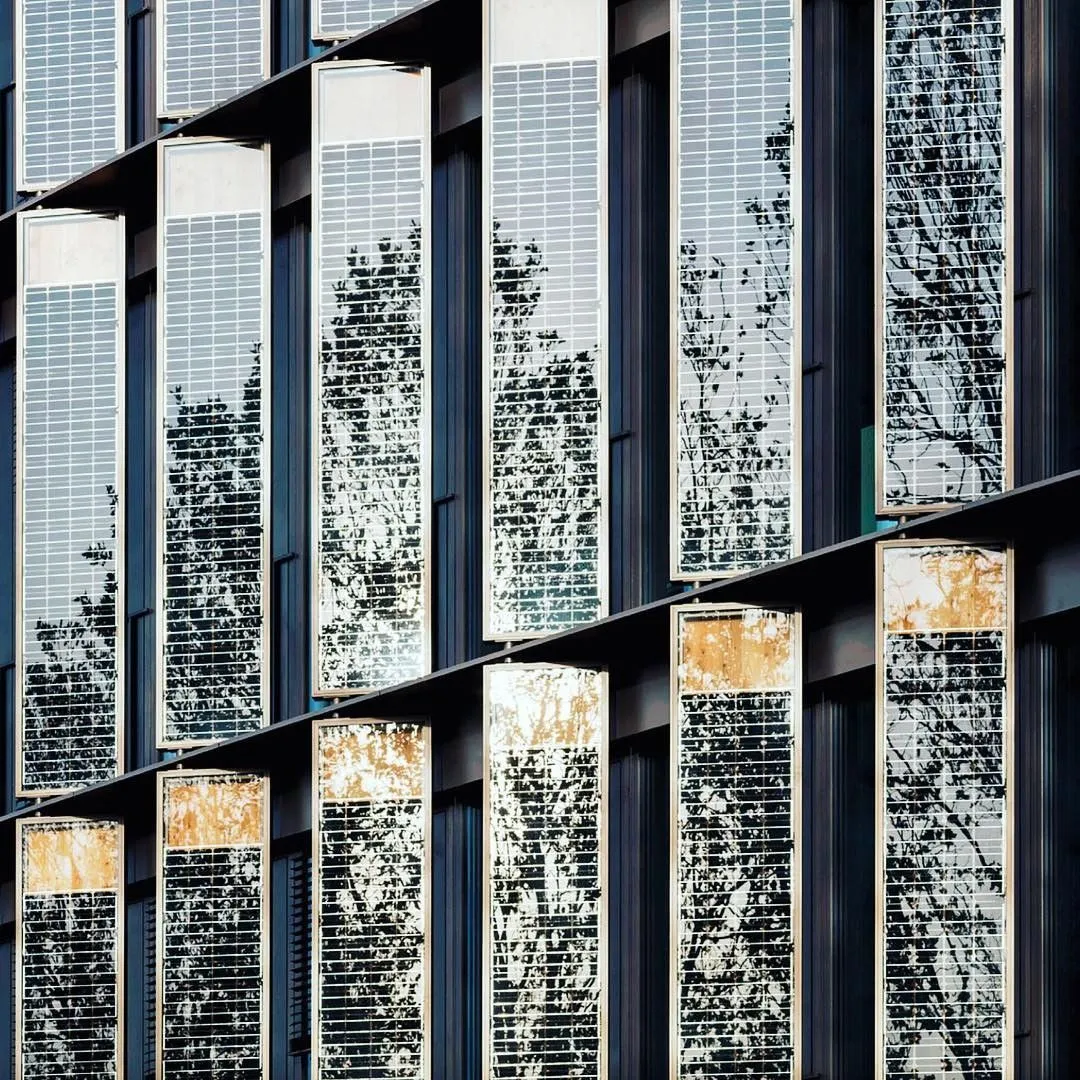
Wood that deepens in tone. Stone that carries subtle marks of use.
Materials that soften rather than deteriorate, gaining character instead of losing clarity.
These surfaces become witnesses. They hold memory. They reflect years lived rather than trends passed.
A flexible home does not aim to look new forever. It aims to age with dignity.
This is where quiet luxury lives: in materials that accept time rather than resist it.
Living Without Constant Renovation
Many homes fail not because they are poorly built, but because they are too specific. Designed for a single phase of life, they demand constant intervention as needs change.
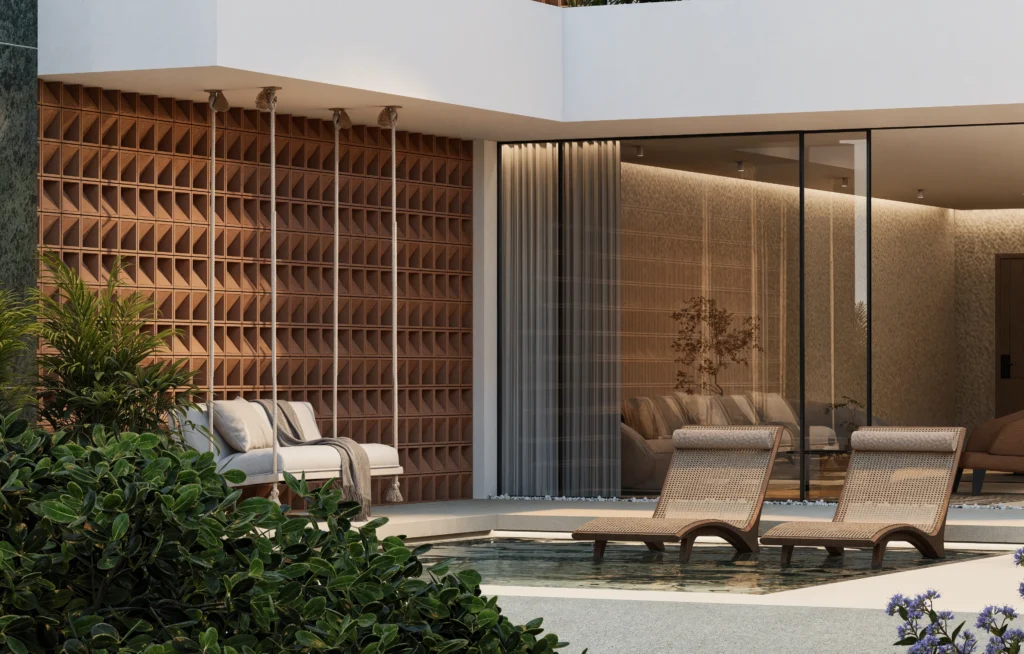
Adaptable architecture reduces this tension.
It allows furniture to move without breaking balance. All while it welcomes new uses without requiring structural change, and supports growth without disruption.
The result is a calmer relationship with the home. Fewer renovations. Fewer compromises. More continuity.
A Home That Grows with You
The most successful homes are not those that make a strong first impression.
They are the ones that remain meaningful over time.
They respond to new rhythms, absorb change quietly, and continue to feel aligned even as life evolves.
This is architecture that supports life as it unfolds, not architecture that freezes people in place. It understands that living is dynamic, and that the role of design is to remain open, patient, and precise.
Adaptability is not a feature. It is a philosophy.
And when a home is designed with evolution in mind, it does not age. It grows.