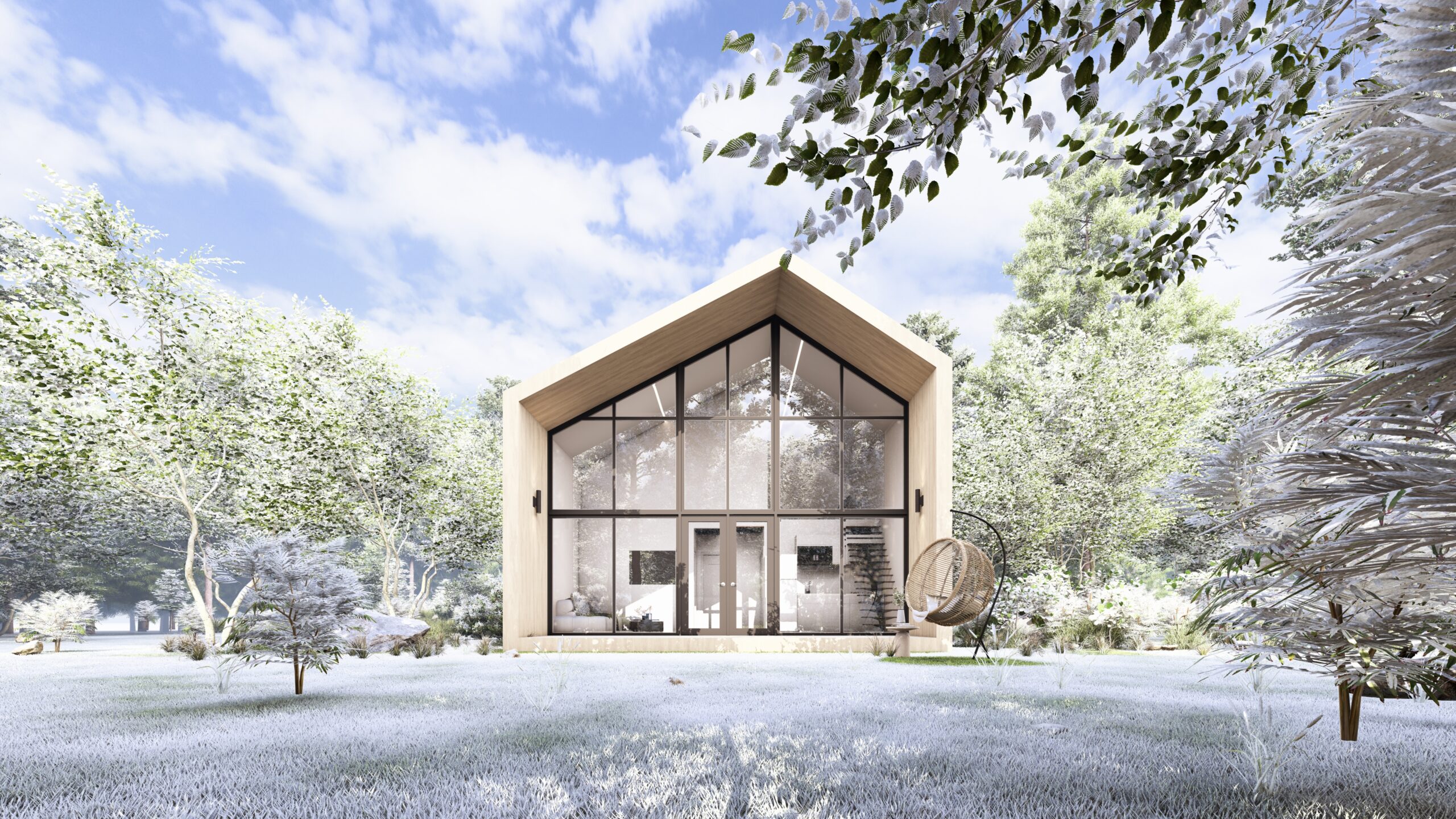
Architecture is evolving toward precision.
In a world that values speed, adaptability, and sustainability, prefabrication has emerged not as a trend, but as a method, one that redefines how buildings are conceived, crafted, and lived in. It offers architects a new language: one of clarity, efficiency, and quiet innovation.
Prefabricated structures, assembled from components produced in controlled environments, represent a shift from site-based construction to system-based creation. They reflect the architectural pursuit of balance: between technology and craft, speed and care, form and performance.
The Value of Time
One of the greatest virtues of prefabrication is time.
Off-site manufacturing allows construction to progress with precision and predictability. While foundations take shape on-site, walls, facades, and structural frames are crafted in parallel—shielded from weather, coordinated to the millimeter.
This simultaneity reduces uncertainty. Projects reach completion in a fraction of the time, offering both economic and environmental efficiency. For clients, it means earlier occupancy. For architects, it means control, each component designed, tested, and delivered as intended.
Time saved is not compromise; it is precision realized.
Design as System
Contrary to misconception, prefabrication does not limit creativity, it multiplies it.
With digital modeling and advanced fabrication, architects can translate complex forms and bespoke details into repeatable systems. The process transforms architecture into choreography: each module a note, each joint a rhythm.
Projects like Villa Asserbo in Denmark illustrate how prefabrication can carry both ecological intelligence and strong aesthetic identity. Made from CNC-cut wood panels, the villa embodies the harmony between efficiency and individuality, proof that systemization can still serve the soul of design.
Sustainability as Structure
Prefabrication inherently supports sustainable practice.
Controlled manufacturing minimizes waste. Materials are measured, not guessed. Off-site fabrication reduces disturbance to land and community. Logistics become predictable, lowering energy consumption across the construction chain.
These efficiencies extend into the life of the building. Prefab systems are designed for performance, high insulation, tight joints, renewable integrations. They create envelopes that breathe responsibly and conserve energy.
Projects like the iPAD School in South Africa demonstrate how modular systems can embed passive cooling, rainwater harvesting, and daylighting, proof that sustainability can be built into the process itself.
Adaptability and Growth
Prefabricated buildings are inherently flexible.
Modules can expand, shift, or reconfigure as needs evolve. Additional floors or new spaces can be added without disruption, a vital asset in urban conditions where land is scarce and demand is fluid.
This adaptability reflects a deeper architectural philosophy: that buildings, like the lives within them, should have the freedom to grow. Prefabrication offers that freedom through design intelligence.
Precision as Craft
Prefabrication is often misunderstood as industrial. Yet at its best, it is deeply crafted.
Every joint, seam, and surface is planned with care. Tolerances are tight. Quality is consistent. The process demands attention not only to design, but to assembly, transport, and sequence.
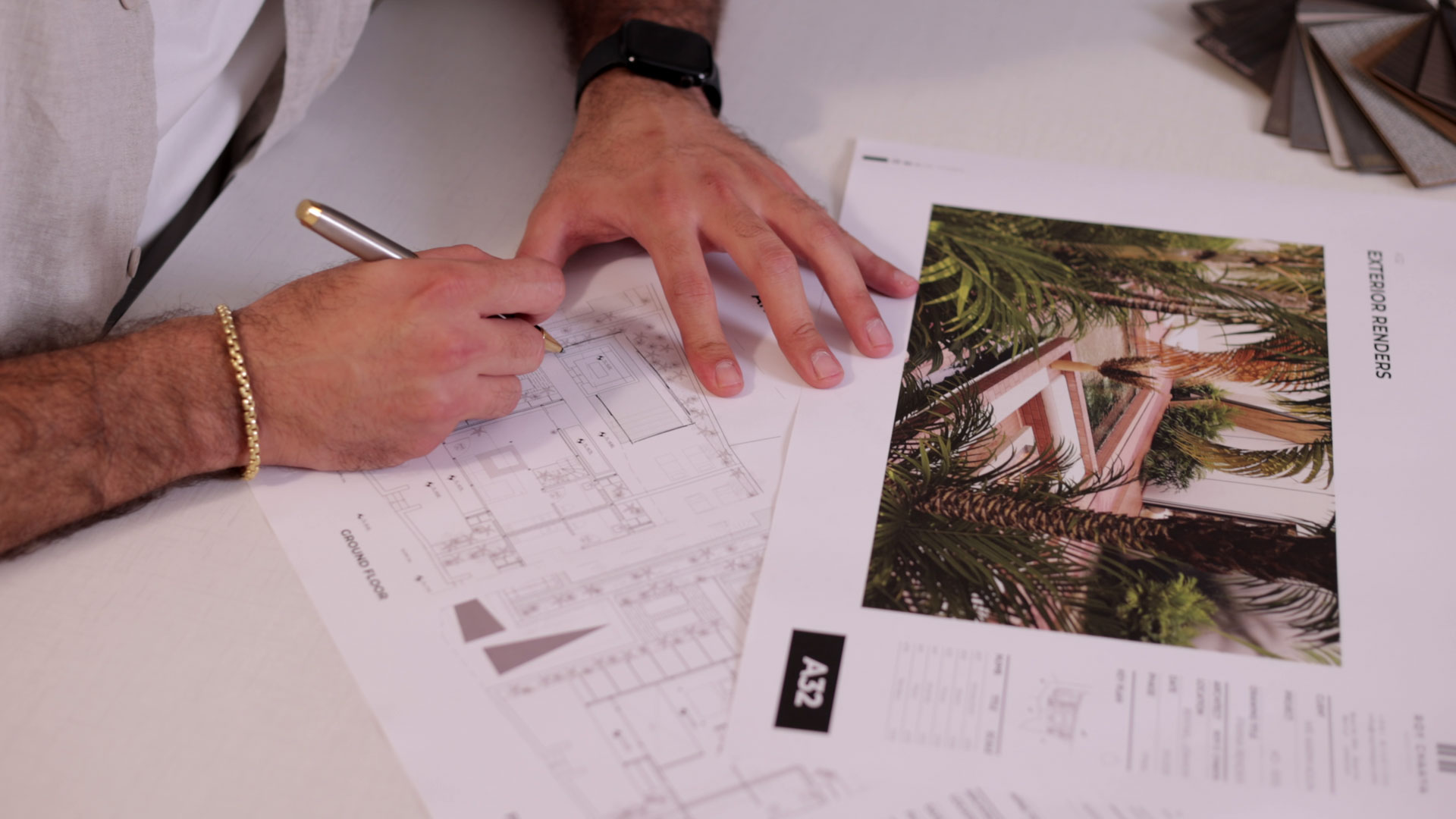
The result is clarity, architecture executed as drawn, free from improvisation and error. In this precision lies beauty.
A Shift in Practice
For architects, prefabrication requires a new mindset.
Design begins with systems, not just spaces. Detail must anticipate fabrication. Collaboration expands, to engineers, manufacturers, logistics teams. The architect becomes conductor, aligning craft and technology toward one coherent outcome.
But the reward is profound: greater control, higher quality, reduced waste, and architecture that reaches completion with intent intact.
A New Architectural Ethic
Prefabrication aligns with a larger ethic: to design responsibly, efficiently, and beautifully.
It allows buildings to be born in rhythm with contemporary needs, fast yet thoughtful, flexible yet enduring, efficient yet warm.
As demand for sustainable, adaptive, and cost-conscious architecture grows, prefabrication stands not as an alternative, but as an evolution, bridging modern precision with timeless design values.
Toward a Modular Future
The future of architecture will not be built piece by piece, it will be assembled with intelligence.
Prefabrication invites us to see architecture as composition: elements crafted in harmony, joined with clarity, and designed for life’s rhythm.
It is a shift from construction to creation, where speed serves quality, and every module carries the imprint of design intent.