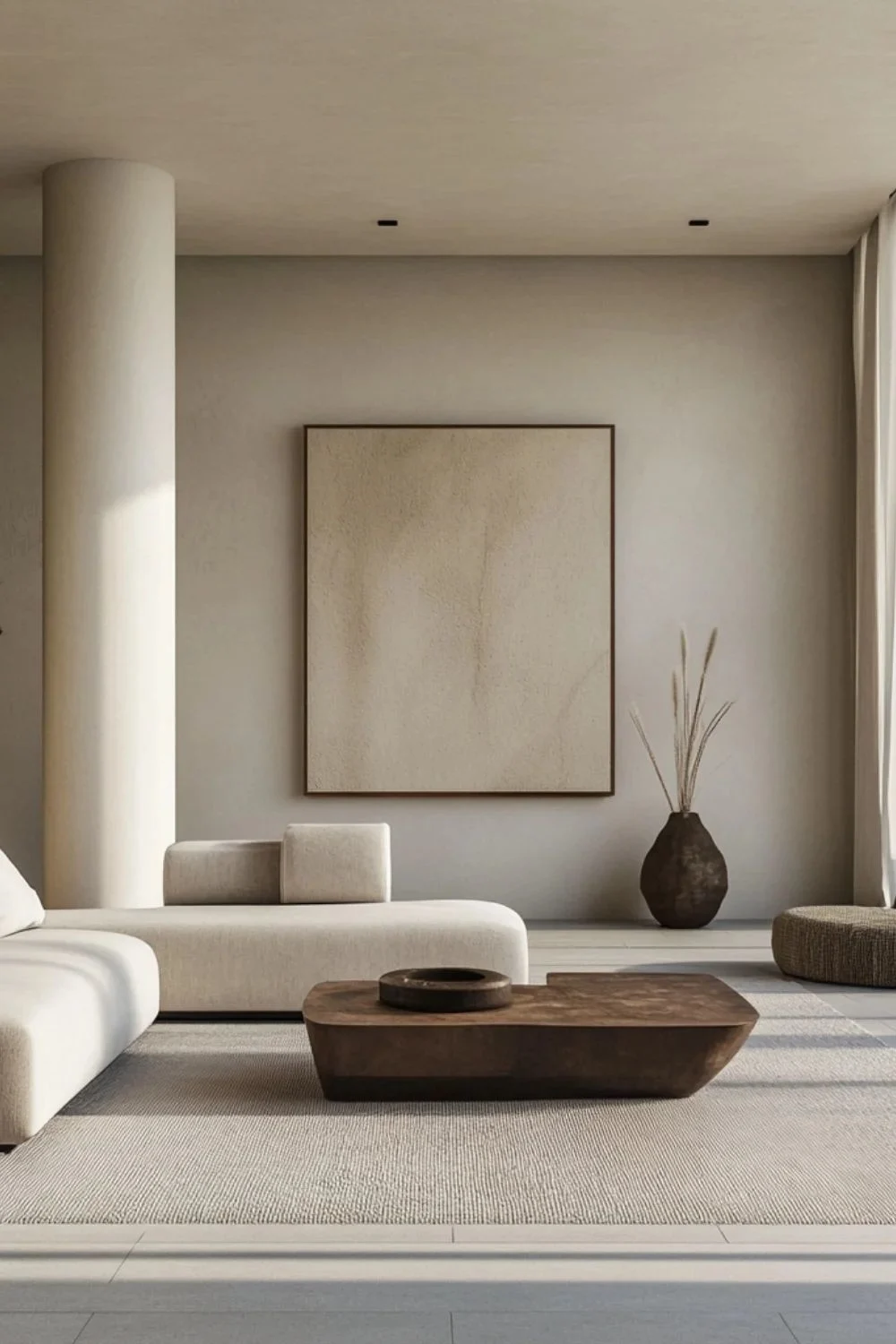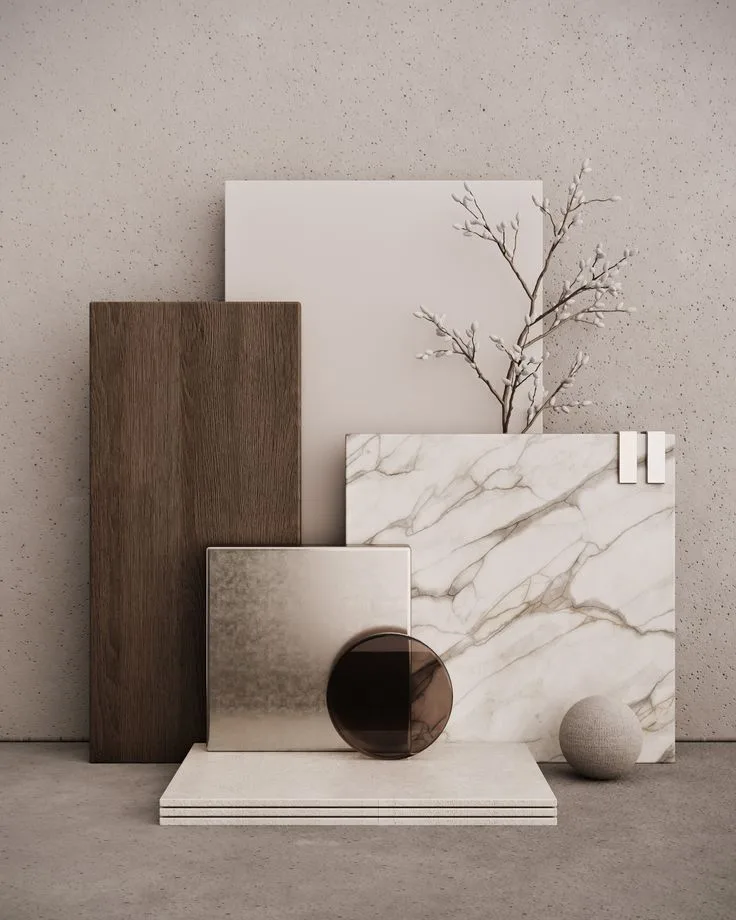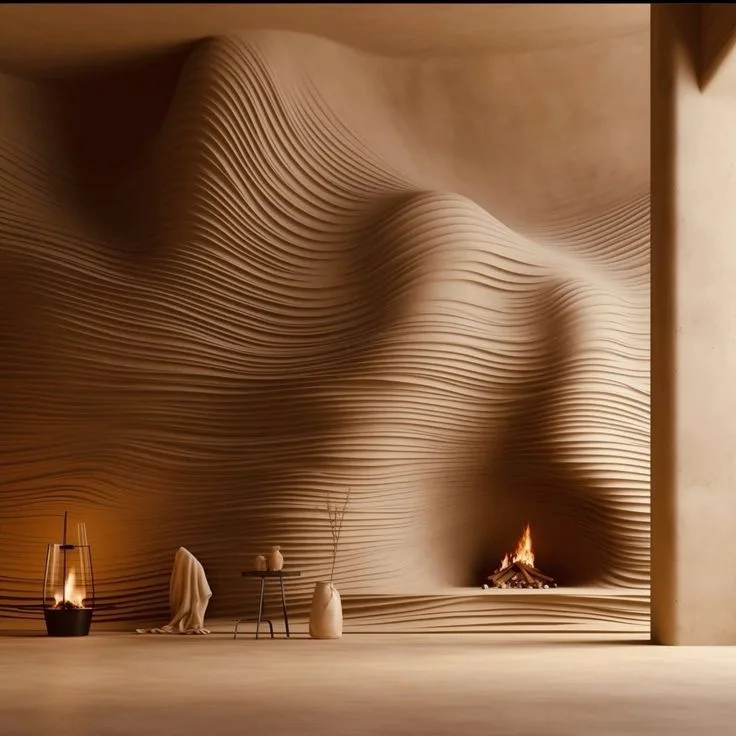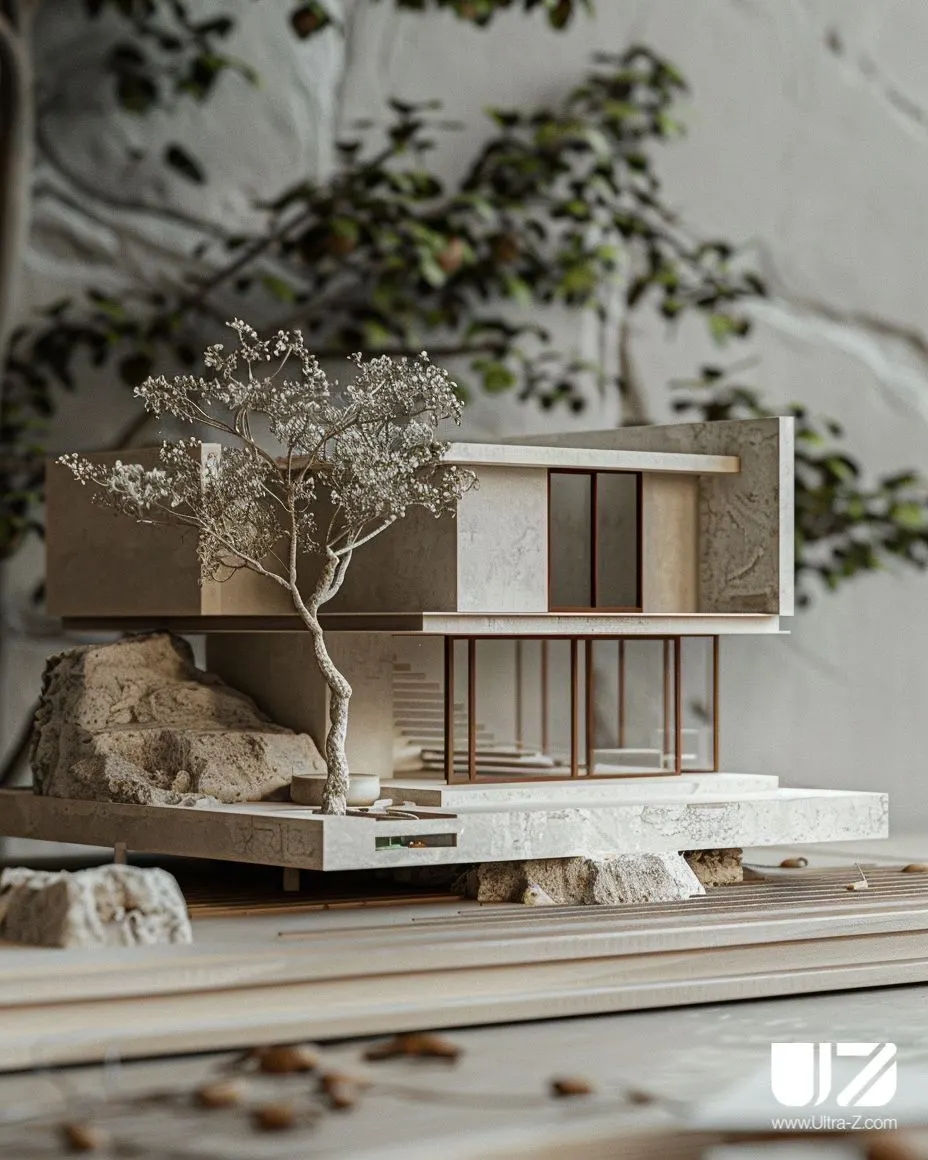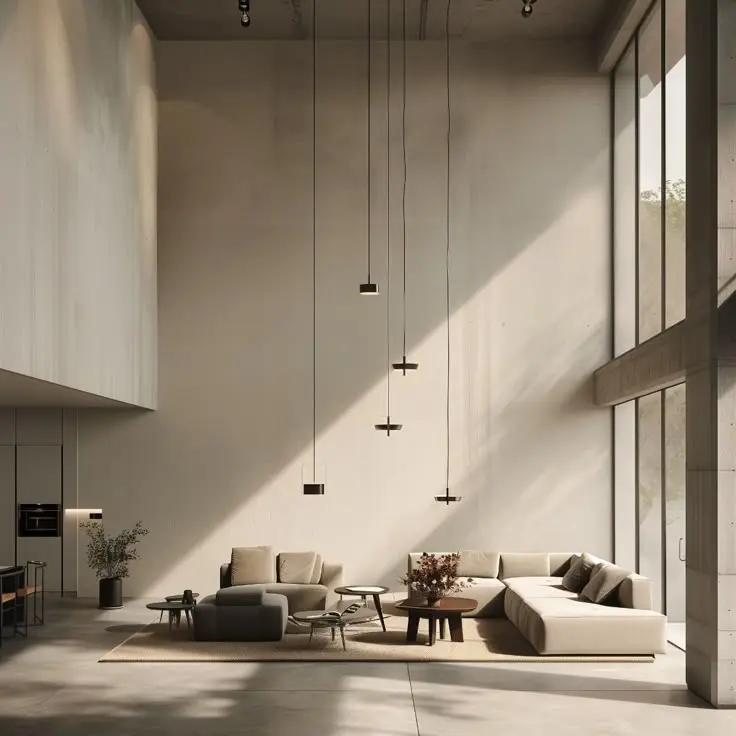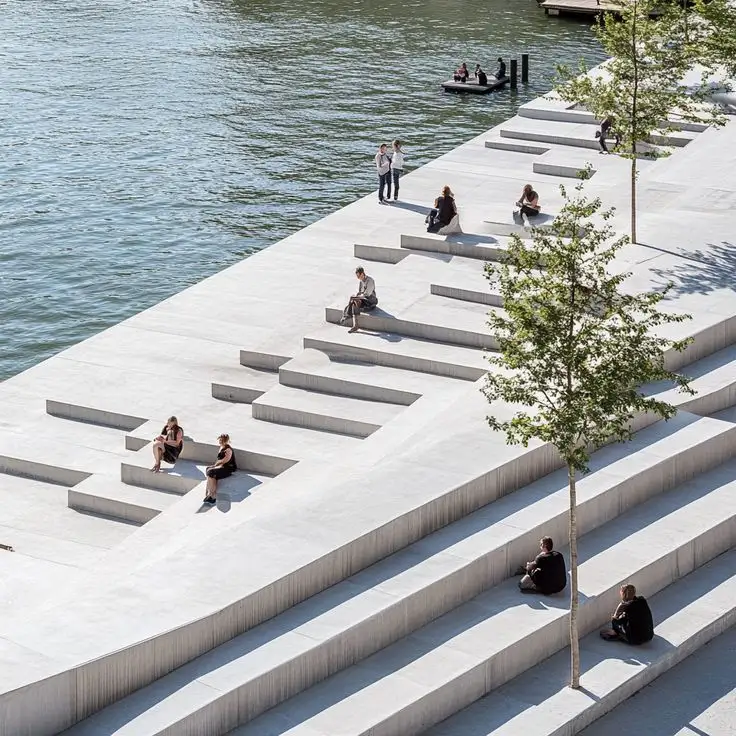

Architecture begins with silence.
Listening as the First Design Step… Before a single line is drawn, the first act is to listen deeply, patiently, and without assumption. Listening is how design finds truth. It is the space where a project’s story begins.
In our atelier, every project starts with listening to the client, to the site, and to the environment. Each speaks in a different language. Together, they reveal the system that will shape the architecture.
 Listening to People
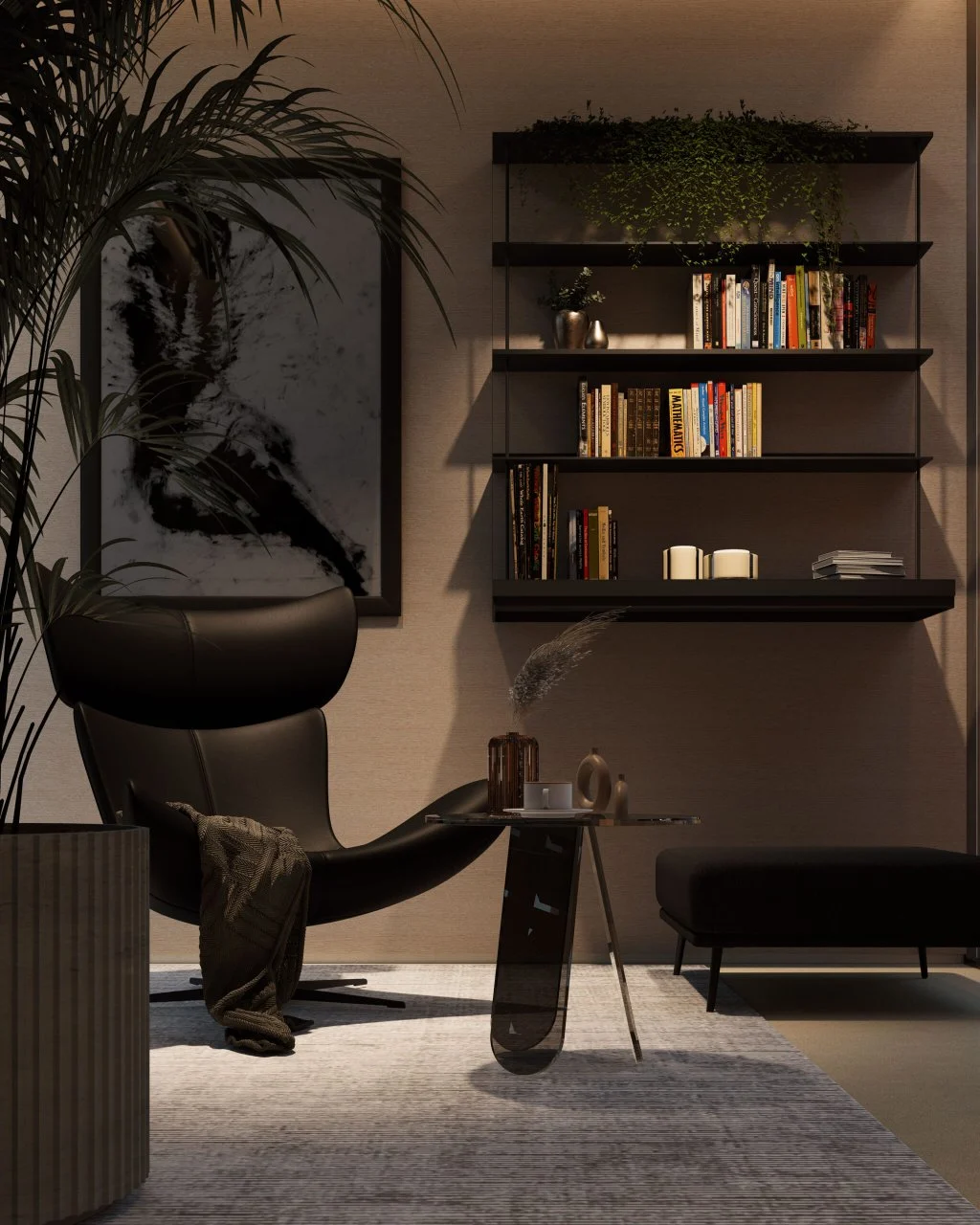
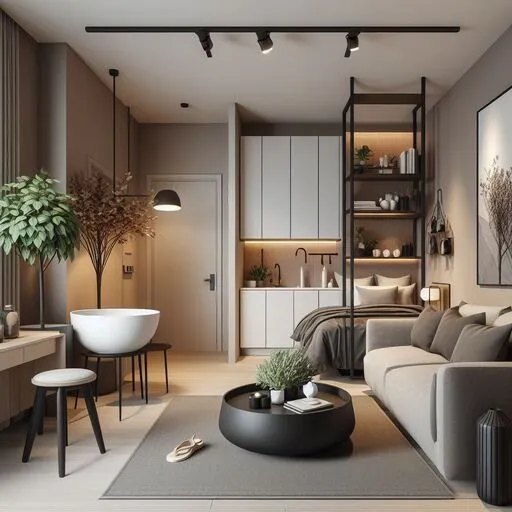
Every client carries a story: routines, preferences, rituals, and emotions tied to space. Through quiet conversations, we uncover how they move, what comforts them, where they gather, and what they seek. These exchanges are more than briefings. They are readings of character, light, and rhythm.
A family might describe the warmth of morning sun at breakfast. A couple might speak of privacy and calm. Each word is a clue, a direction that guides proportion, sequence, and material. Listening becomes the foundation of empathy in design. It ensures the architecture reflects life, not ego.

Listening to Place
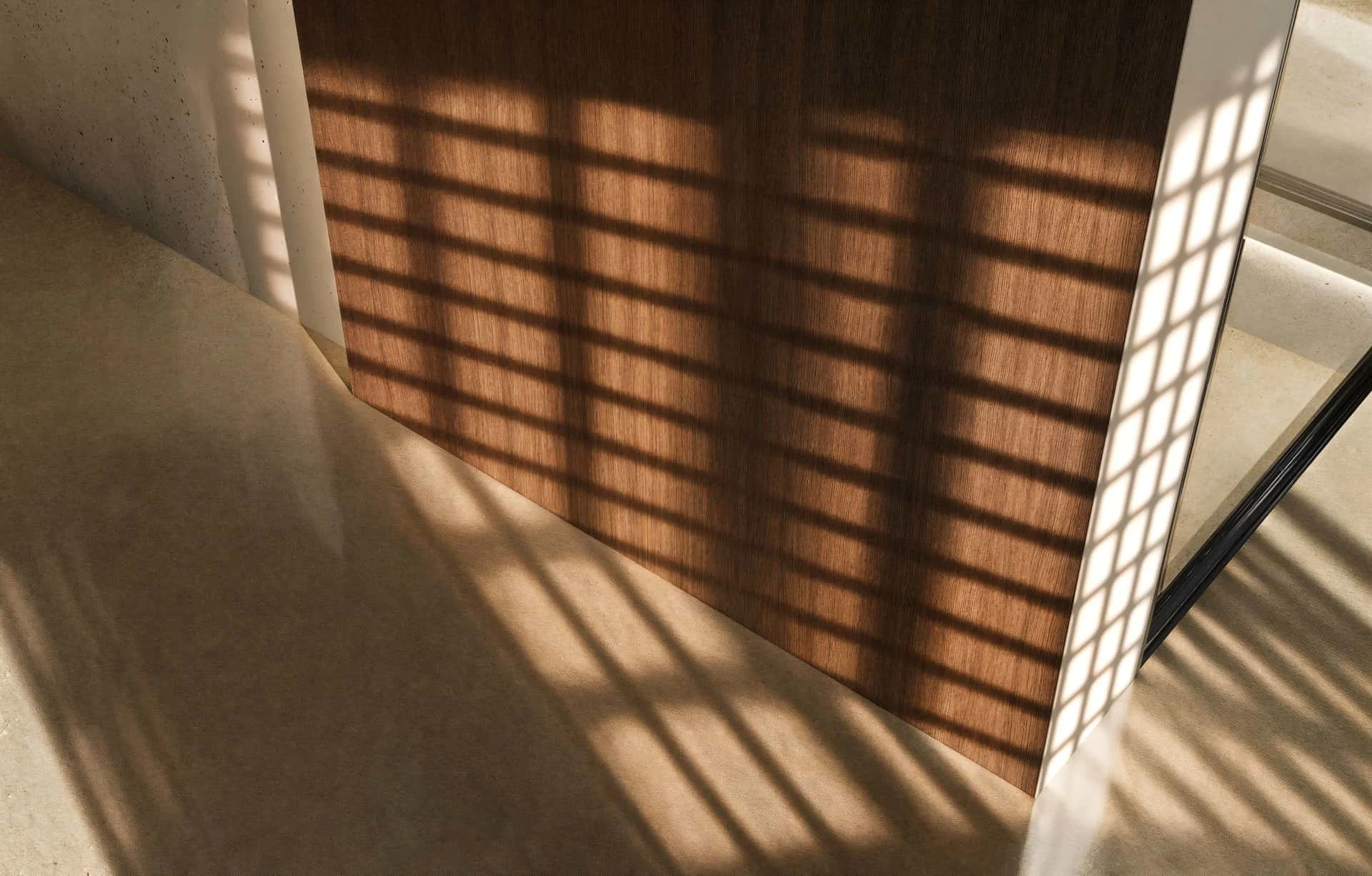
The site has its own voice. Wind, slope, vegetation, orientation, each element carries meaning. Standing still on the land, we observe how the sun shifts, how shadows stretch, how sound travels. This quiet observation is a form of drawing without a pen.
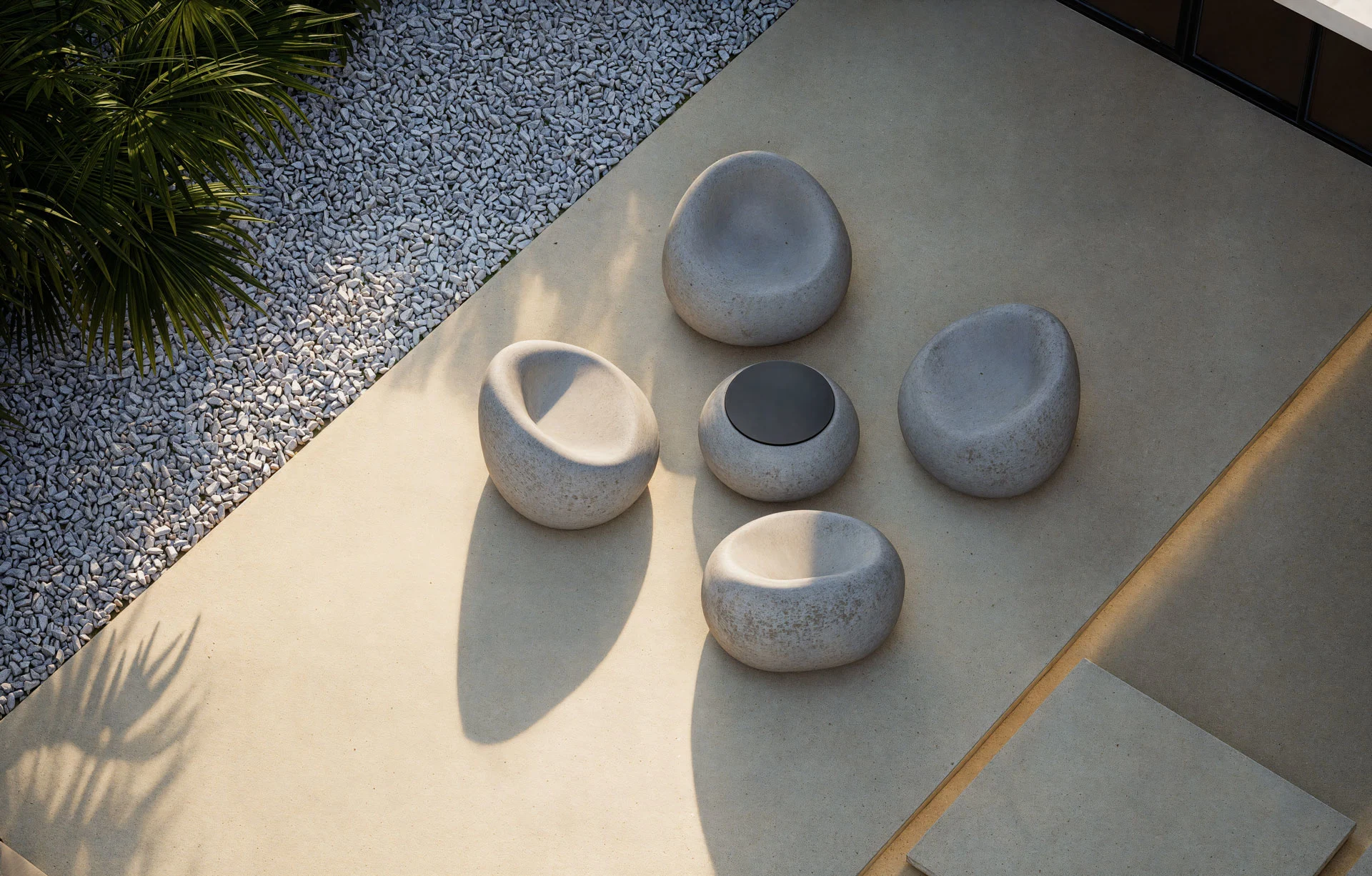
The environment offers both constraints and opportunities: a prevailing breeze, a distant view, the grain of the terrain. Listening here means accepting the land as a collaborator, not an obstacle. The building grows from its context rather than sitting upon it.
Listening to the Environment
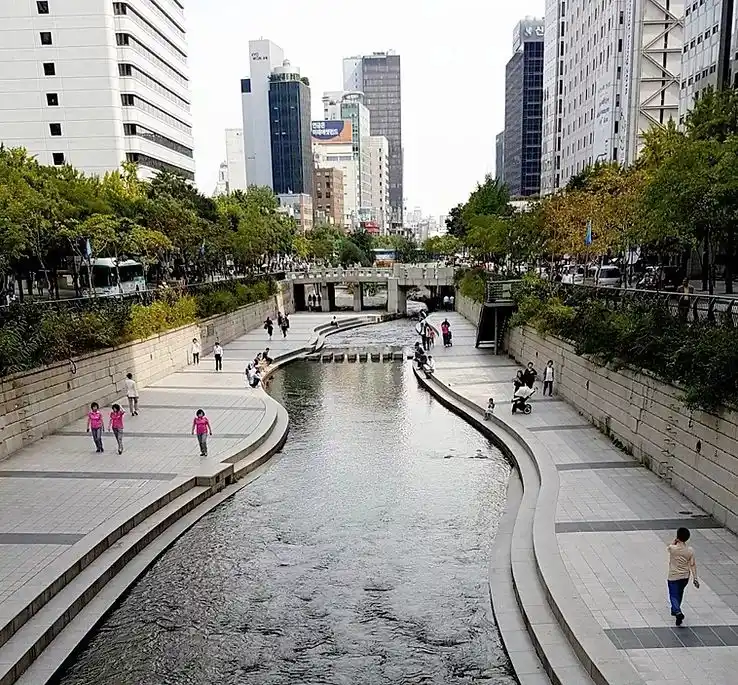
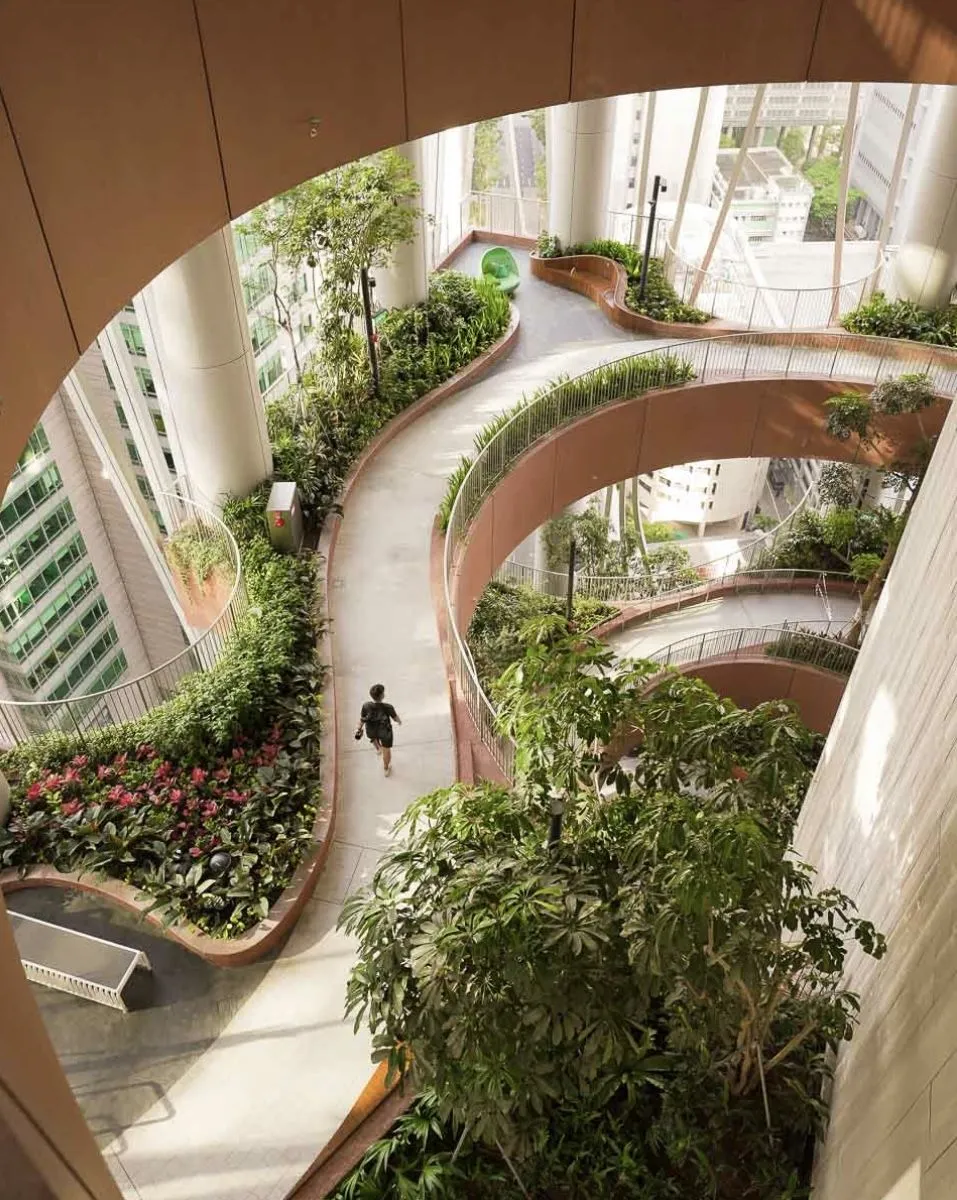
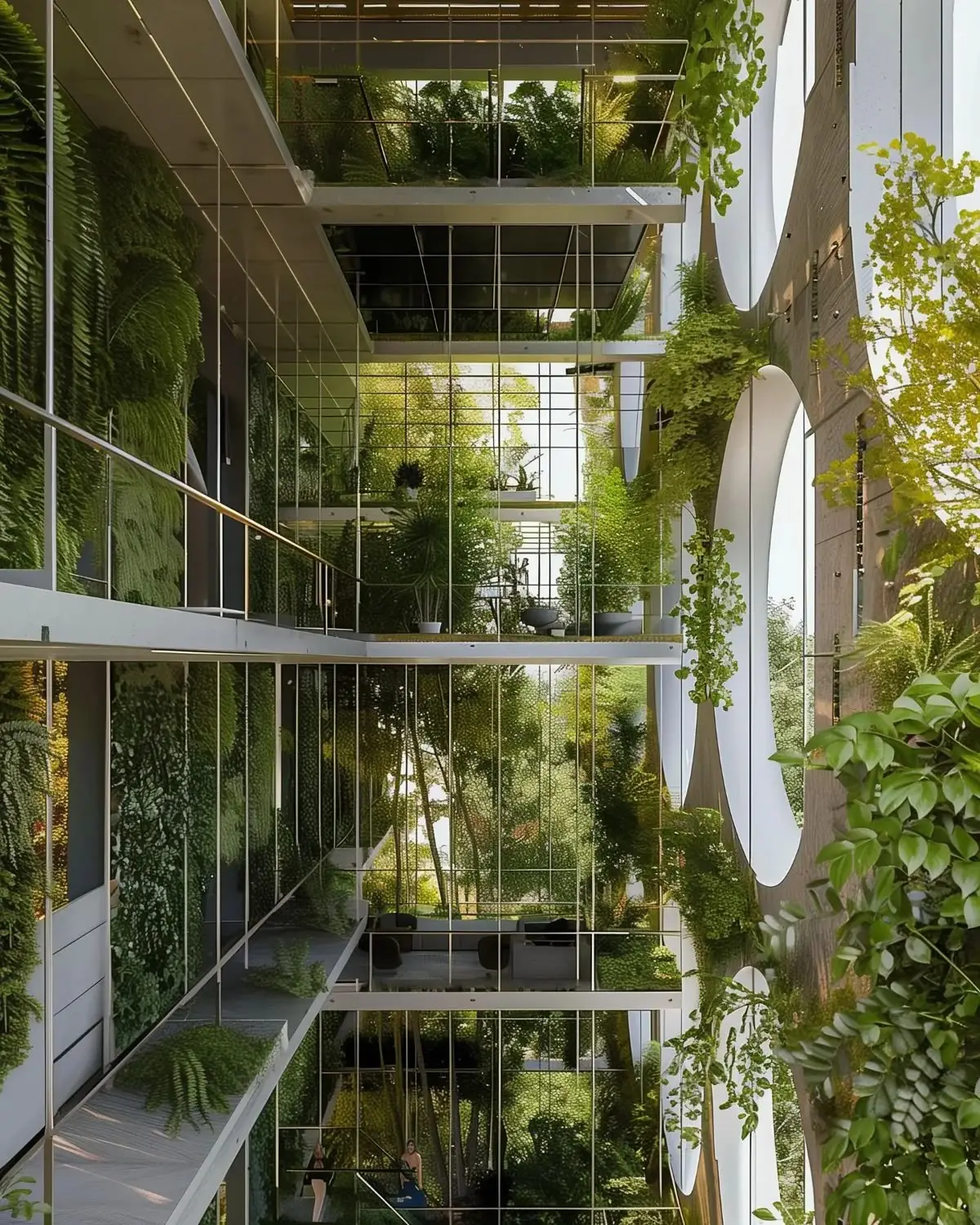
Beyond the immediate site lies the wider ecosystem light, climate, culture. Architecture is not isolated. It breathes with its surroundings. Listening to the environment ensures design aligns with sustainability and respect.
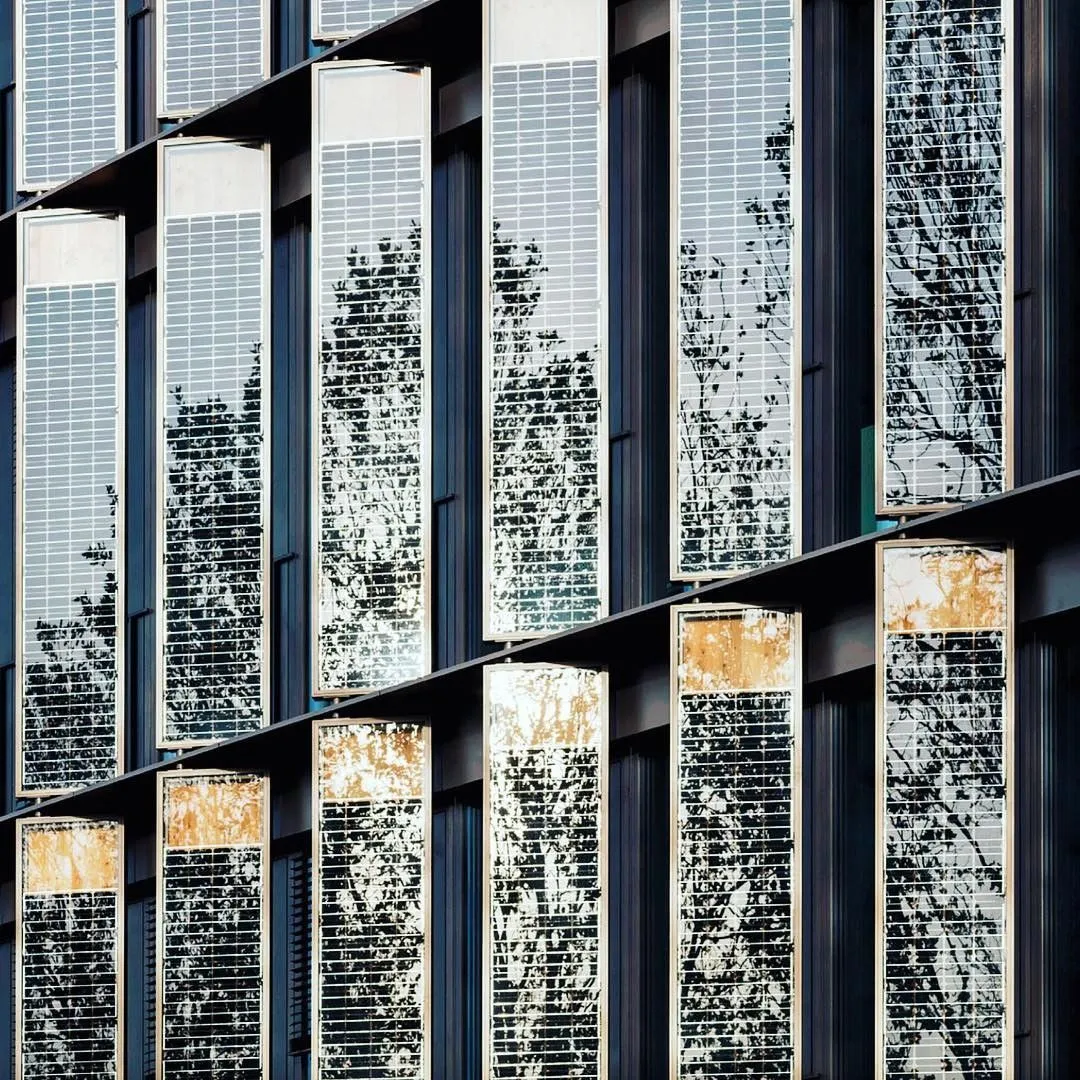
In Lebanon, the climate teaches restraint. West-facing façades need depth and shade. Mountain winds ask for orientation and shelter. Listening turns these realities into design language, where function becomes elegance.
The Quiet Before the Line
Only after listening do we draw. Sketches emerge not from imagination alone but from understanding. Each mark on paper carries intention, a response to something heard or observed.
When architects skip this step, what’s lost is more than accuracy. The building risks becoming generic, beautiful perhaps, but rootless. Without listening, architecture loses its voice, its ability to reflect a specific life and place.
Listening ensures every project tells a unique story. It’s how character is born not through style, but through alignment between client, environment, and vision.
 Design as Translation
We see design as translation. Clients speak in emotion and habit. The site speaks in sun and slope. The environment speaks in climate and culture. Our role is to translate these languages into structure, sequence, and material.
When translation is faithful, the architecture feels inevitable as though it could not exist any other way. Every threshold, every view, every grain of texture is a response to something real.
 The Craft of Understanding
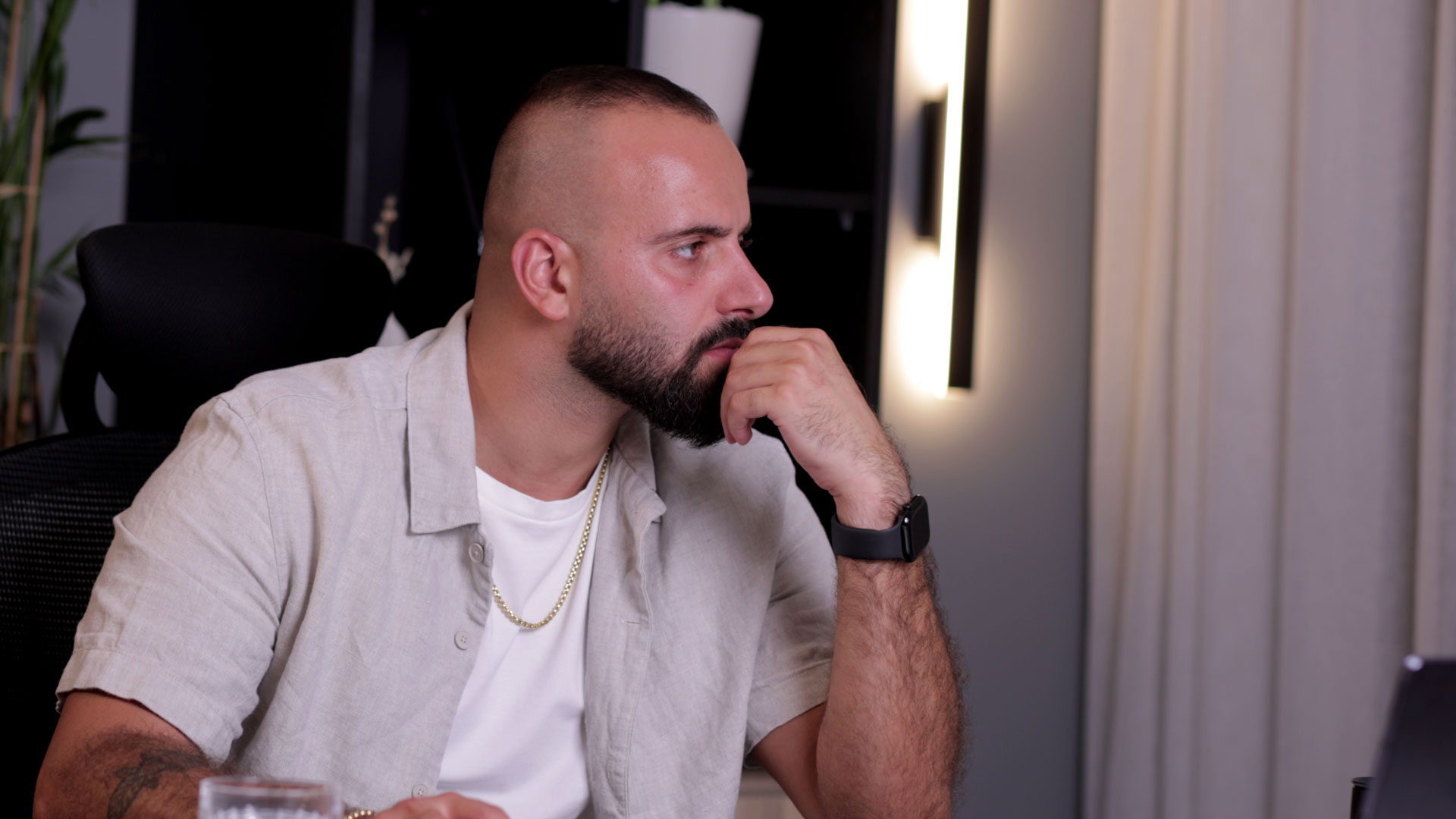
Listening is not passive. It is a form of craft, requiring attention, patience, and humility. It demands time before design begins, time to observe how people move, how light falls, how sound lingers.
This investment pays back in clarity. When the first sketch appears, it already carries logic and belonging. The design is not imposed; it is revealed.
An Invitation
For those embarking on a project, this is where the journey begins. Before thinking of shapes or materials, take time to listen to your routines, your aspirations, your site. Notice what you love, what you avoid, what brings comfort.
When you arrive with these insights, design becomes collaboration rather than commission. The architecture grows from shared understanding, not assumption.
Atelier Roy Chaaya believes the most refined architecture begins with silence, listening to life, to land, and to light.
Start a quiet conversation with the atelier. Together, we can listen, observe, and translate your story into a place that feels inevitable, an architecture shaped by what truly matters.