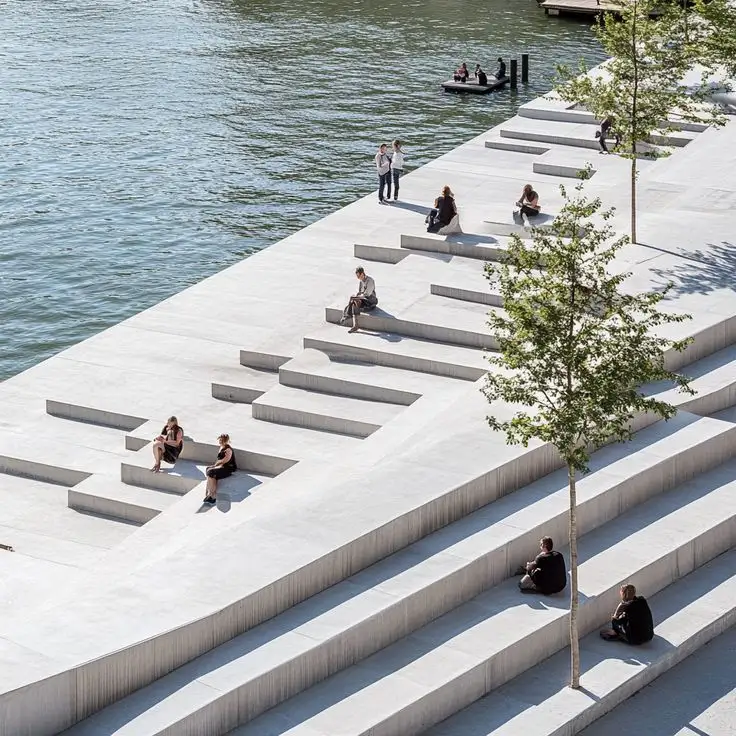
In the delicate dialogue between architecture and nature, few challenges test our ingenuity more than flooding. For developing communities, this is not merely a technical issue, it’s a question of safety, continuity, and dignity. As the climate grows more unpredictable, the architect’s role expands: to design with foresight, adapt with intelligence, and build with empathy.
This is an exploration of strategies that do more than resist water, they invite coexistence. Each solution is an act of resilience, a statement of how thoughtful design can turn vulnerability into strength.
Elevated Foundations: Rising with the Landscape
Architecture begins with ground, yet when the ground floods, elevation becomes necessity.
Raised platforms, stilts, and pilings allow homes to hover above rising waters, creating layers of protection and spatial richness. Constructed from recycled steel or treated timber, these elevated systems ensure durability while introducing a new architectural rhythm, terraces that open to views, shaded voids that host daily rituals.
In Vietnam’s Mekong Delta, homes on stilts rise in harmony with the tides. Rather than resisting nature, they adapt, a graceful choreography between human life and seasonal water. These dwellings show that elevation is not detachment; it is alignment with the land’s living pulse.
Green Infrastructure: Nature as Partner
When the landscape becomes an ally, resilience multiplies.
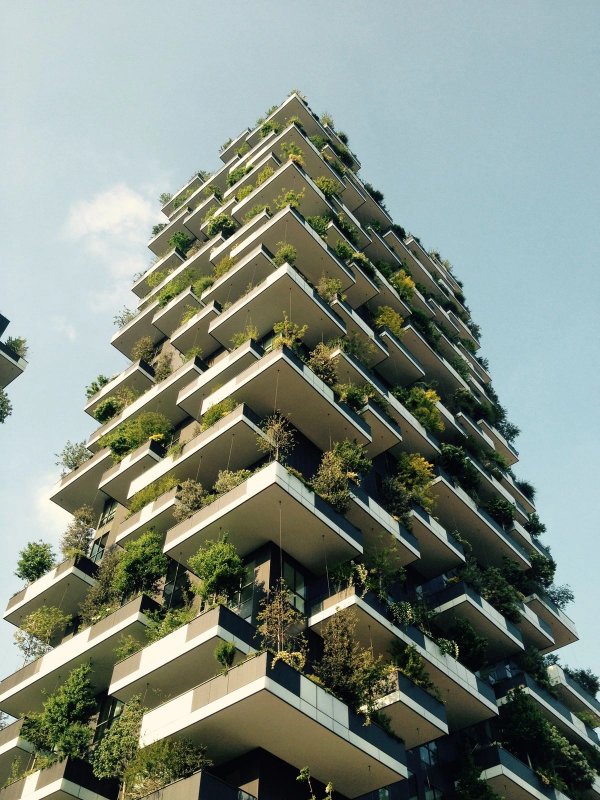
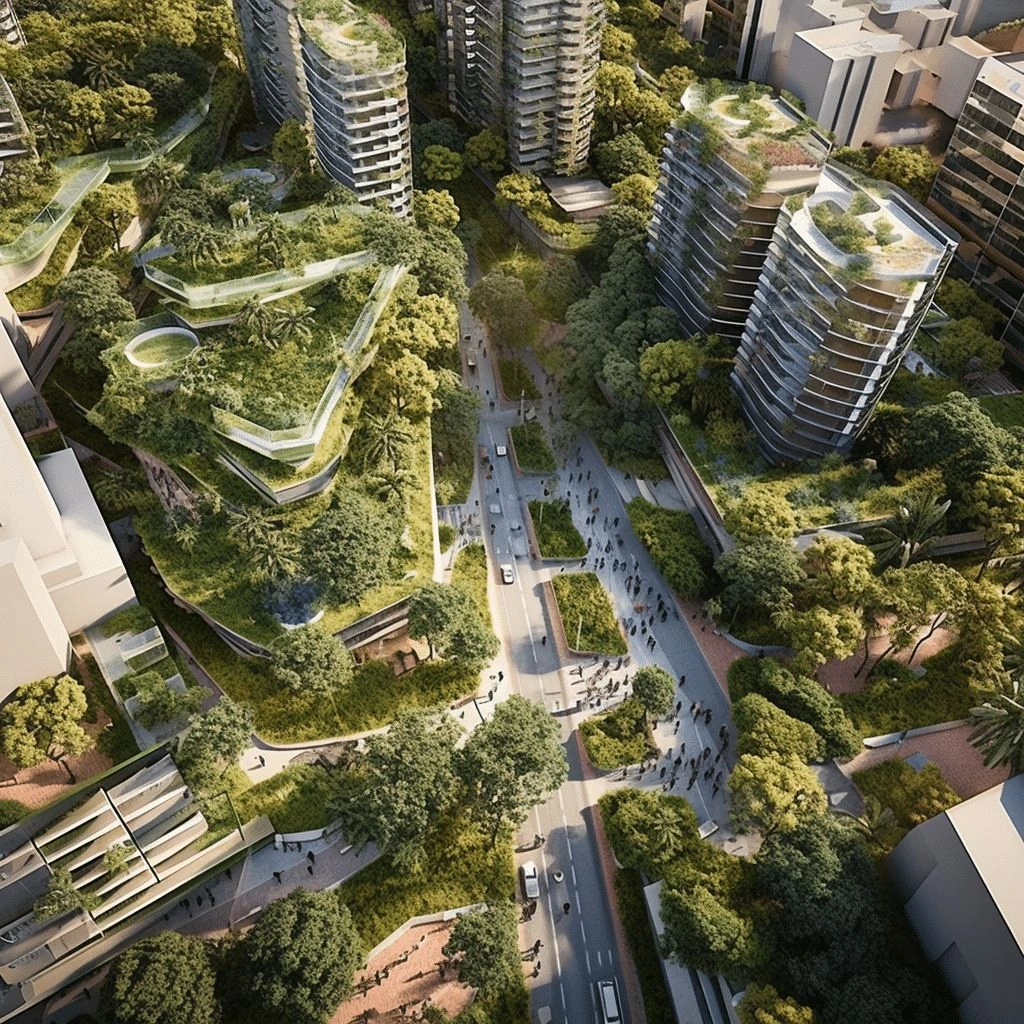
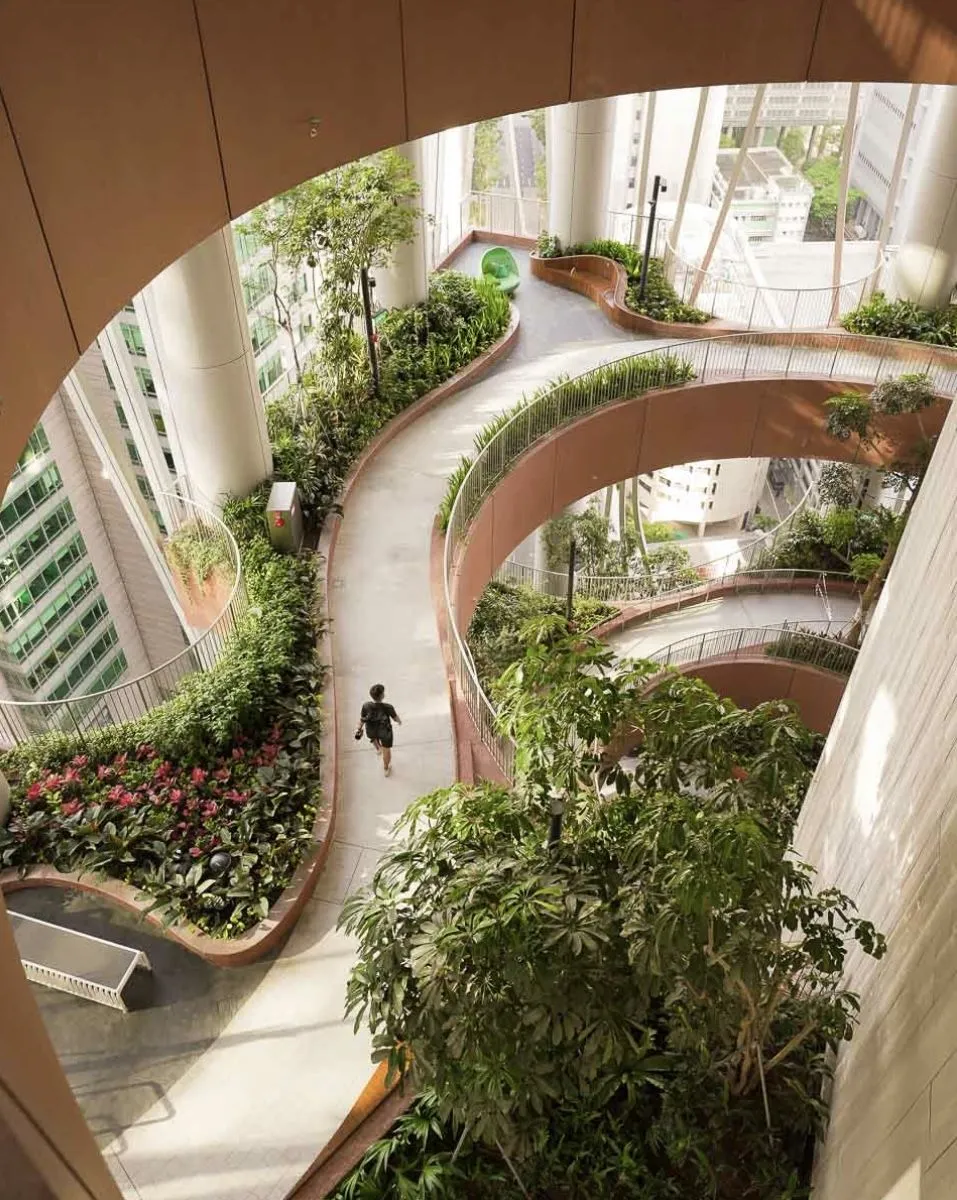
Green roofs and permeable pavements act as living sponges, absorbing rainwater and reducing surface runoff. They soften the city’s hard edges, turning infrastructure into ecology. What begins as a technical measure becomes an aesthetic one, gardens above, textured surfaces below, pathways that breathe.
Curitiba, Brazil demonstrates this union of design and ecology. Green systems weave through its neighborhoods, transforming stormwater into nourishment for parks and urban forests. The city becomes a sanctuary, proof that when nature leads, architecture flourishes.
Flood-Resistant Materials: Strength in Composition
Material is memory. The right selection carries resilience through time.
Resilient concrete, treated wood, and fiber-reinforced polymers endure submersion without compromise. They form a quiet armor, one that ages with grace even under duress.
In Rotterdam, Netherlands, flood-resilient façades and foundations speak a language of strength — a city sculpted by water, not defeated by it.
Each wall, floor, and joint becomes an act of foresight, not to fight water, but to coexist with it.
Smart Water Management: Designing Flow
Resilient architecture choreographs water rather than merely containing it.
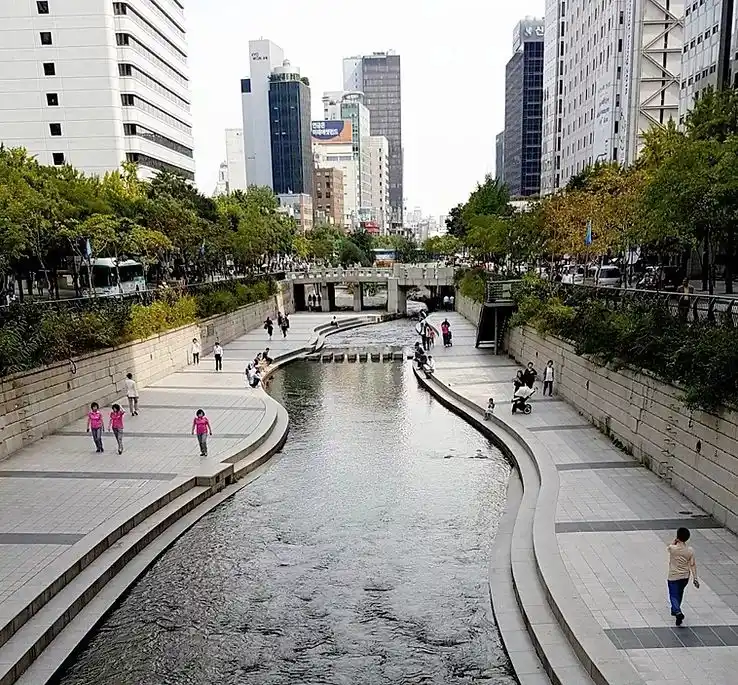
Rain gardens, bioswales, and retention ponds collect and filter runoff, turning risk into resource.
These systems serve dual purposes: technically efficient, aesthetically restorative. A park becomes a flood buffer. A pond becomes a mirror for sky and structure. Every drop finds its path, managed, celebrated, and absorbed.
When integrated early in the masterplan, these interventions weave hydrology into daily life, streets that breathe, courtyards that hold water gently, landscapes that teach resilience.
Community Engagement: Knowledge as Infrastructure
True resilience is collective.
A community that understands water becomes its own first line of defense.
Education, from early-warning systems to water-sensitive habits, transforms vulnerability into preparedness. Residents who read the signs of rising tides, who adapt habits and manage runoff locally, extend the architect’s intent far beyond the blueprint.
Engagement is not an afterthought; it is design in its social form, a living infrastructure of awareness.
Adaptive Design: Flexibility Over Fixity
In a shifting climate, permanence is illusion.
Adaptive design embraces change, structures that expand, relocate, or transform with conditions.
Modular units, floating platforms, and amphibious foundations offer flexibility to communities living near rivers or coasts.
In Bangkok, Thailand, buildings evolve with the waters. Some rise during floods, others shift use seasonally. The architecture becomes responsive, not static resistance, but fluid adaptation.
Adaptability, when embedded in the design DNA, ensures that buildings live as the landscape lives, dynamic, resilient, and poetic.
Toward a Resilient Future
Designing against floods is not a singular solution; it’s a layered approach.
Each strategy, elevation, green infrastructure, resilient materials, smart systems, adaptive planning, and community knowledge, contributes to a tapestry of endurance. Together, they shape places that stand firm yet flexible, strong yet humane.
In developing regions, where resources are often limited, these solutions carry deeper meaning. They represent not only physical protection but social equity, giving communities the tools to thrive amidst uncertainty.
Architecture, at its best, is a quiet guardian: protecting life, honoring context, and crafting beauty in the face of challenge.
Through thoughtful design, we don’t merely resist the flood, we rise with it.