Climate change is no longer a distant scenario. It is the context in which all design now occurs. Rising seas, shifting weather patterns, and extreme events are reshaping the conditions of life. Architecture, once defined by permanence, must now learn to adapt.
This emerging field, known as architectural adaptation, seeks not only to protect but to evolve. It mirrors nature’s intelligence, observing, adjusting, and transforming in response to the environment. In this new era, resilience becomes a measure of beauty.
The Genesis of Adaptation
Urban growth and climate volatility have revealed the limits of static design. Where architecture once pursued stability, it must now embrace agility. Buildings and cities need to anticipate change, absorb impact, and restore balance.
Adaptation begins with acknowledgment. Our built environment must coexist with uncertainty. Cities near coasts must float or rise. Those in arid regions must capture and store. Every structure must learn to breathe, shade, and regenerate. Architecture becomes less an object and more an ecosystem: responsive, evolving, and alive.
Impact on Society
Adaptive architecture shapes more than the physical landscape. It influences the way people live, move, and feel. By mitigating risk and improving comfort, it creates safer and healthier environments. Elevated foundations protect homes from floods. Responsive façades regulate heat and light. Green infrastructure cleans the air and cools the city.
Beyond safety, adaptation fosters confidence. It reassures communities that their spaces are prepared to endure. It strengthens collective resilience and creates shared landscapes where protection and beauty meet.
Principles and Innovations
Adaptation translates research into built intelligence. Several key strategies define this approach:
Flood-Resistant Foundations
Structures can rise with the water through elevation, amphibious platforms, or deployable barriers. These systems turn vulnerability into mobility and ensure continuity in flood-prone regions.
Climate-Responsive Facades
Dynamic skins with adjustable blinds or louvers respond to sun and weather. Guided by sensors, they modulate heat gain, daylight, and privacy. Comfort becomes an outcome of observation rather than control.
Living Roofs and Vertical Gardens
Architecture integrates nature as a working system. Green roofs insulate, filter rainwater, and support biodiversity. Vertical gardens reclaim façades in dense cities, restoring greenery where land is limited.
Each element shares a single purpose: to harmonize architecture with environmental cycles rather than resist them.
A New Aesthetic
Adaptation is changing the language of beauty. It values performance as much as form. The elegance of a façade lies in its ability to respond. The poetry of a structure lies in its capacity to rise and float.
This new aesthetic reflects intelligence and humility. It celebrates systems that evolve with climate, turning function into a quiet expression of grace.
Global Examples
Across the world, architecture is adapting with creativity and clarity.
Netherlands – Floating Homes
In a nation below sea level, water becomes part of the design. Amphibious dwellings rise with the tides, maintaining safety and continuity. This is architecture shaped by coexistence.
Singapore – Supertree Grove
Vertical gardens tower above the city, collecting rainwater, shading plazas, and generating energy. They serve as both infrastructure and icon, proof that ecology can define identity.
New York City – Resilient Waterfronts
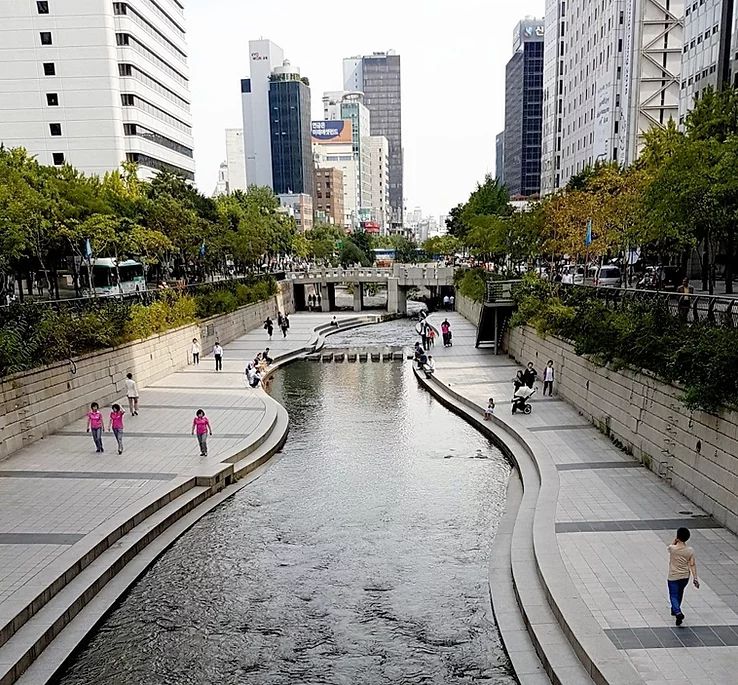
Floodable parks and adaptable landscapes along the East River absorb storm surges while creating public green spaces. Nature becomes both shield and sanctuary.
These projects demonstrate that adaptation is not limitation. It is a catalyst for innovation and meaning.
Influence on the Discipline
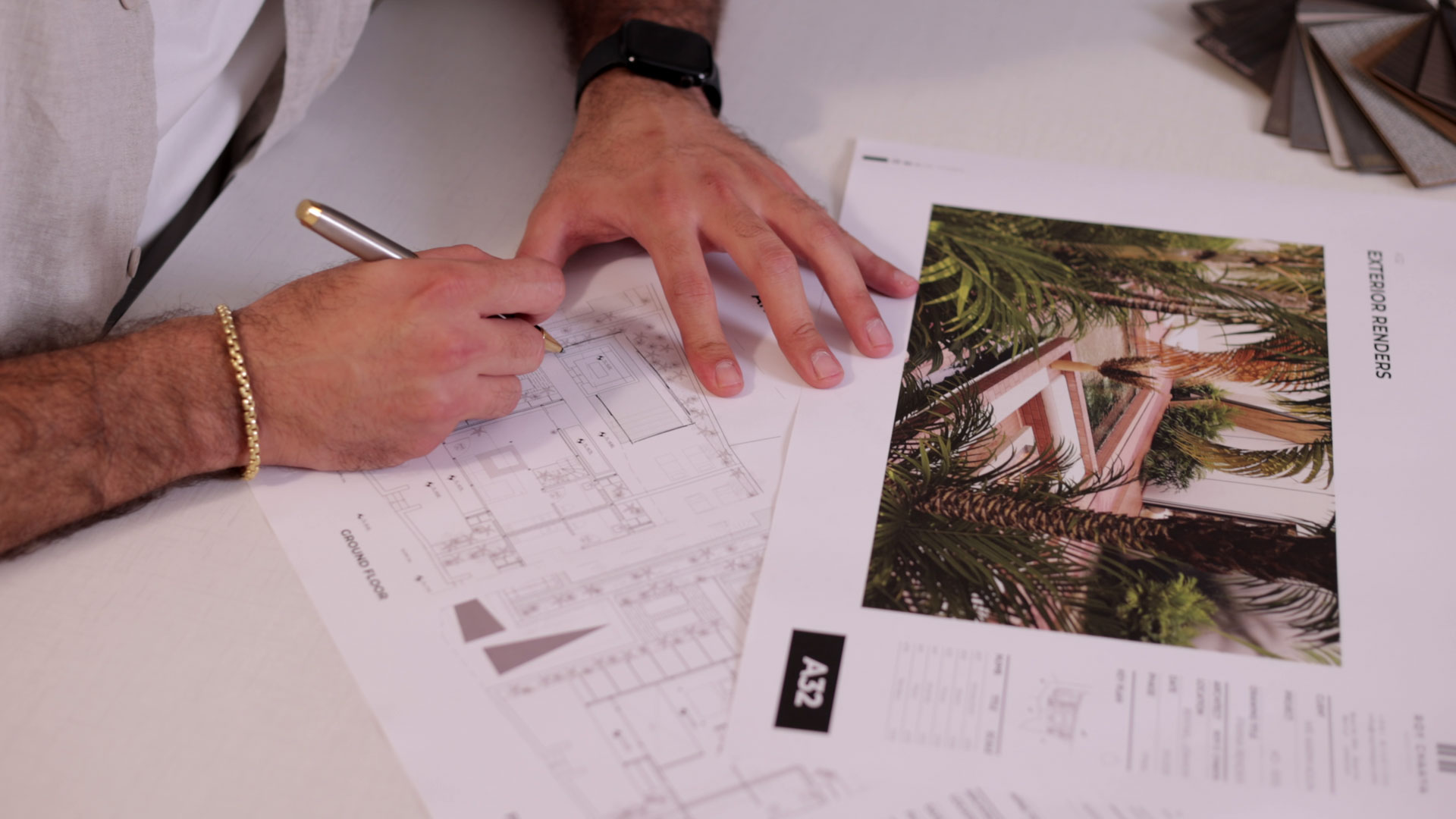
Architectural adaptation is reshaping professional practice. It asks architects to become observers of systems and designers of time. The process demands collaboration with climatologists, ecologists, and engineers. It replaces certainty with curiosity.
The architect becomes strategist as well as maker, crafting solutions that endure across generations. Adaptation introduces a new design ethic: one that balances technology with restraint and precision with flexibility.
Resilience as Design Ethic
Adaptation is more than a response to crisis. It is a philosophy for the future. Permanence is no longer the measure of success. Resilience is.
A building’s value lies in how well it protects, adjusts, and regenerates. Adaptive design helps cities heal, lowers emissions, restores landscapes, and nurtures collective well-being. Each decision, from orientation to material, becomes part of a broader ecological dialogue.
Looking Forward
As the climate continues to change, architectural adaptation offers a path of alignment. It invites us to design with nature, not against it. Cities can move with tides, breathe with seasons, and grow with intelligence.
Resilience is not resistance. It is awareness, balance, and care. Through adaptation, architecture evolves into a living system—one capable of sustaining life with dignity and grace.