As 2023 comes to a close, the architectural world reflects on a year rich with innovation, experimentation, and conversation. From research breakthroughs to monumental projects, each month offered a glimpse into how architecture continues to question, adapt, and evolve.
January – Cambridge Research on Energy Savings
The year began with a thought-provoking study from the University of Cambridge. Researchers uncovered a “rebound effect” in energy-efficient home insulation, where initial savings were gradually offset as occupants increased energy use. Analyzing data from over 55,000 homes across England and Wales, the study revealed that improvements such as wall and loft insulation achieved promising results but required behavioral alignment to sustain them. This finding reignited discussions on the relationship between design, technology, and human habits.
February – The Mukaab in Riyadh
Saudi Arabia introduced one of the year’s most ambitious projects: The Mukaab, a 400-meter cube-shaped skyscraper planned for Riyadh’s new downtown. Inspired by modern Najdi architecture, its façade weaves triangular geometries over two million square meters of commercial and cultural programs. Inside, a spiraling tower and immersive environments reflect the country’s vision for innovation as part of Vision 2030.
April – New Balance Honors Frank Lloyd Wright
In April, New Balance released a limited-edition trainer inspired by Frank Lloyd Wright’s conceptual sketches for Broadacre City. The shoe sparked debate on how commercial products reinterpret architectural heritage and whether fashion can meaningfully translate design philosophy.
May – The Arrival of Tilly Talbot
Studio Snoop introduced Tilly Talbot, presented as the world’s first AI designer, during Milan Design Week. Tilly’s role is to challenge material choices and encourage environmentally responsible decisions. The launch opened a dialogue about collaboration between human intuition and artificial intelligence in shaping sustainable design.
June – Paris Reinstates Skyscraper Ban
In a decisive move, Paris reinstated its ban on skyscrapers following controversy surrounding the Tour Triangle tower. The decision emphasized the city’s commitment to preserving its historic skyline and renewed global conversations on balancing progress with cultural identity.
August – Brooklyn’s First Supertall
Brooklyn gained a new landmark: Brooklyn Tower, a 93-storey skyscraper designed by SHoP Architects. Standing 325 meters tall, it became the borough’s first supertall. Its blackened stainless steel façade, bronze pilasters, and shifting vertical rhythm created a dramatic silhouette that redefined Brooklyn’s skyline.
September – Crystal Tower at Neom
Saudi Arabia’s Neom resort unveiled plans for a crystalline tower above the Trojena ski destination. Designed by Zaha Hadid Architects, the structure will hover 300 meters above an artificial lake, merging futuristic form with the surrounding mountainscape.
October – The Spiral in New York
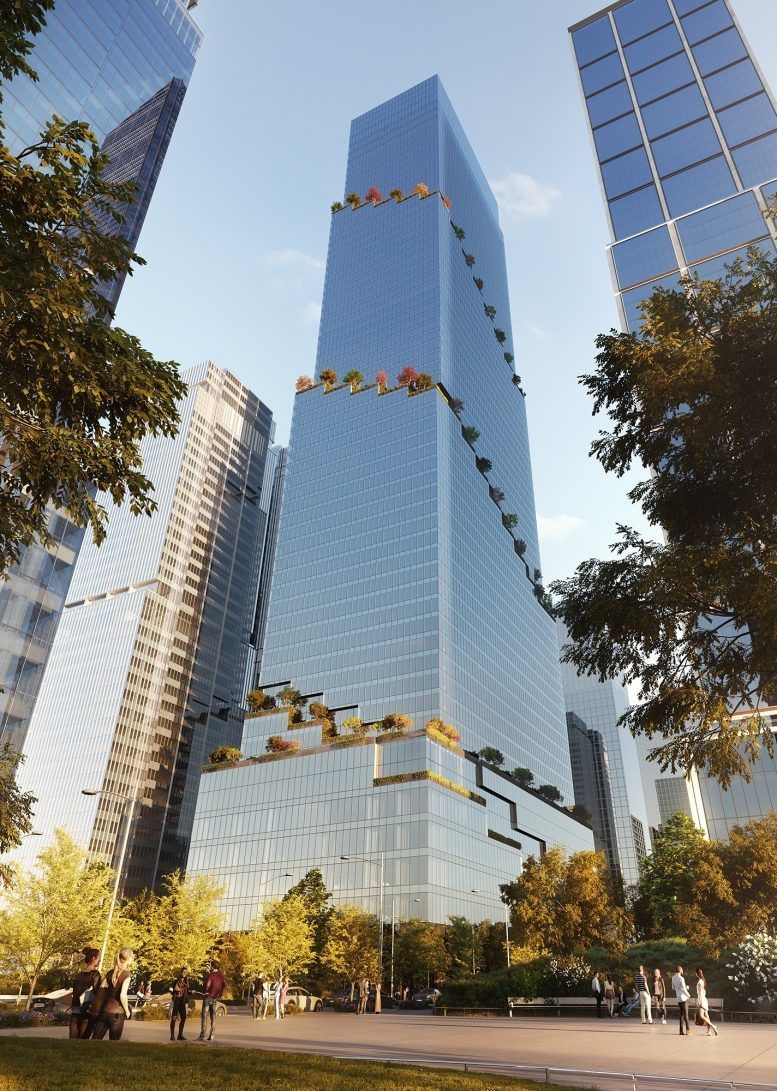
Bjarke Ingels Group completed The Spiral in Manhattan, a 314-meter skyscraper defined by cascading terraces that wrap the tower’s exterior. Each floor opens onto planted outdoor spaces, forming a continuous green ribbon from street to summit. The project embodies a dialogue between vertical density and access to nature.
Reflecting on a Year of Dialogue
2023 was not just a year of building but of questioning. From energy-conscious research to AI collaborations and sculptural skylines, architecture continued to expand its purpose—balancing heritage, technology, and environment. Each project, whether experimental or monumental, invited reflection on how design can shape culture, influence behavior, and anticipate tomorrow’s challenges.
Architecture’s role is no longer confined to form or function. It is now a medium for conversation—between innovation and restraint, ambition and memory, human need and planetary care. As we move into a new year, these lessons guide us toward a future where architecture remains both responsive and responsible.