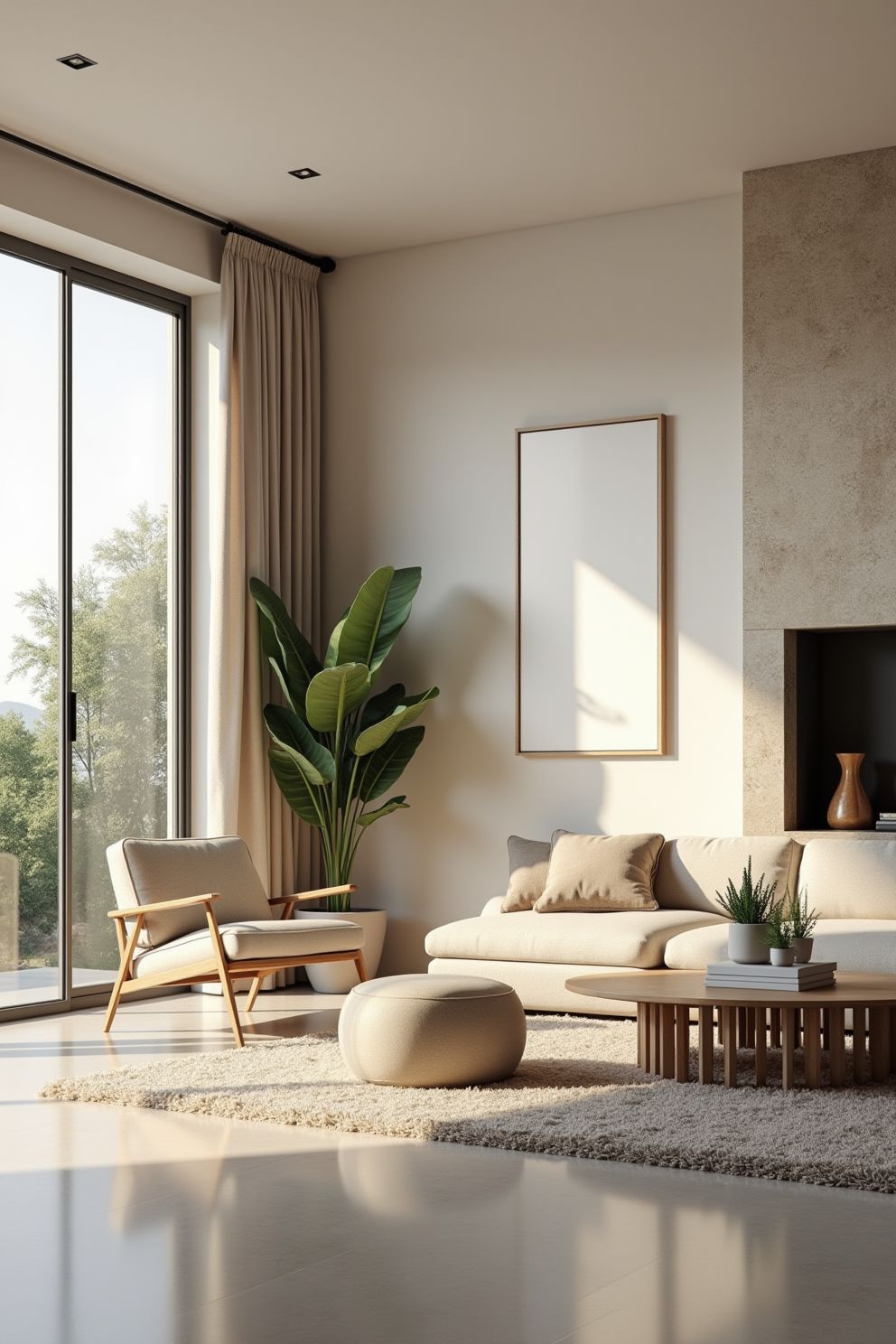
Architecture is more than structure. It is a language that speaks directly to the senses, shaping how we feel, think, and move. Every wall, opening, and proportion carries influence. Buildings hold the power to calm, energize, focus, or connect. They are silent companions to our lives, shaping emotion as much as environment.
Understanding this relationship is the foundation of architectural psychology, a field exploring how design affects the human psyche. As architects embrace this knowledge, spaces become more than functional; they become intentional experiences.
Designing for Productivity
In the corporate world, design is a tool for performance.
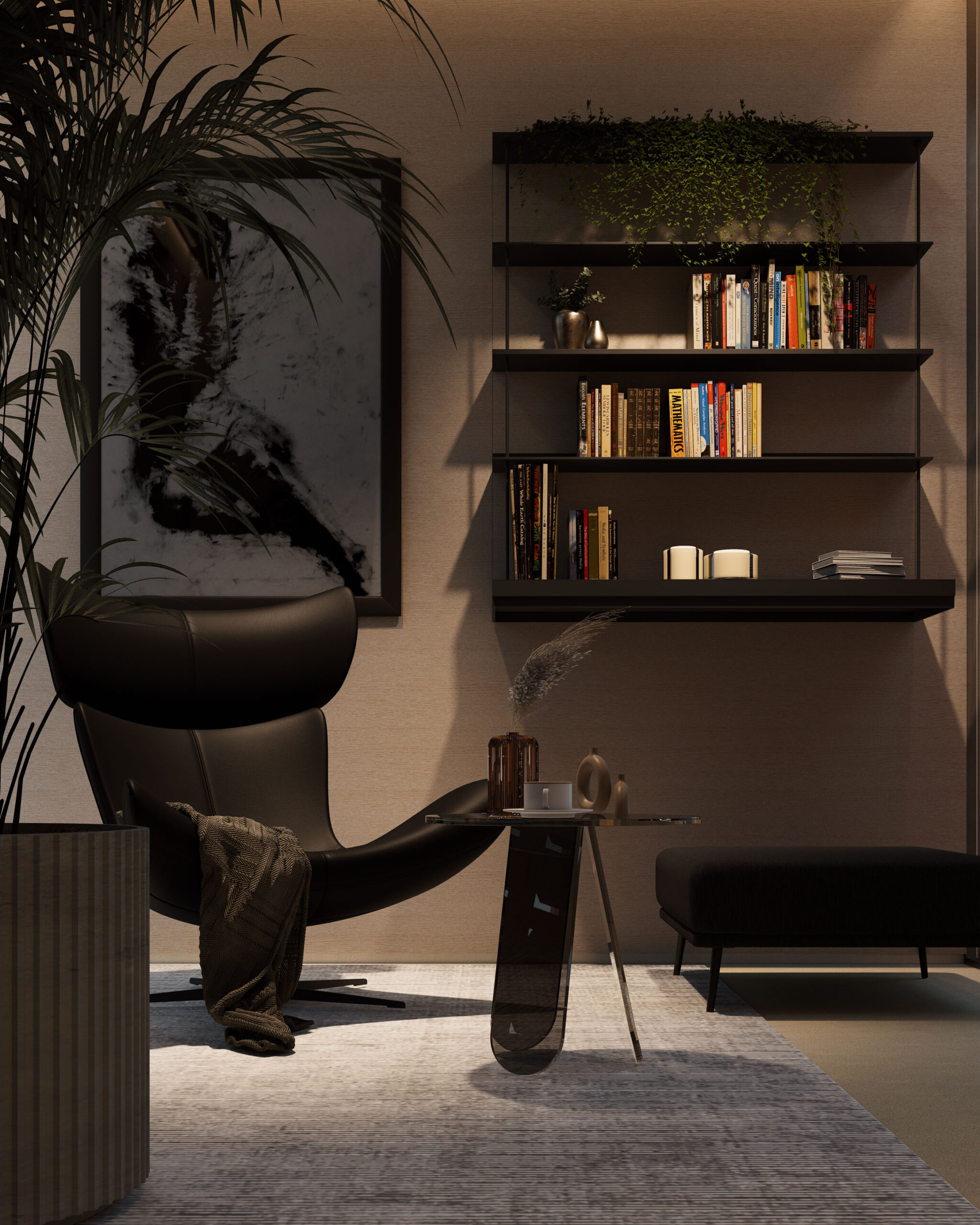
Spatial organization influences energy and focus. Open layouts encourage collaboration and spark conversation. Strategic lighting and flexible seating nurture creativity and morale. At the same time, quiet corners and enclosed rooms offer refuge for deep concentration.
Modern workplaces balance both: vibrancy and calm, gathering and solitude. Architecture becomes choreography, aligning physical rhythm with mental flow.
Health and Well-Being
Human beings are wired to respond to nature.
When architecture integrates natural light, plants, and water, stress lowers, clarity increases, and emotion stabilizes. This principle, known as biophilic design, reconnects people with the natural world.
A hospital lobby filled with daylight and greenery can ease anxiety. A home with shaded terraces and gardens can become a place of calm recovery after long days. These elements are not aesthetic additions; they are essential layers of well-being.
In high-pressure environments, trading floors, clinics, dense urban housing, the presence of nature restores equilibrium. It reminds us that design is not only about space, but about balance.
Urban Planning and Community
Beyond individual buildings, psychology extends to the city.
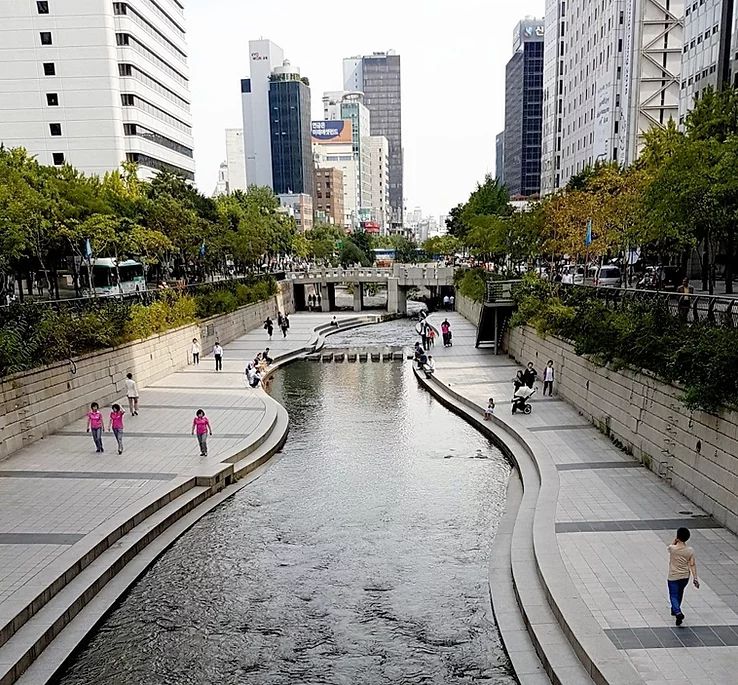
Public spaces, parks, plazas, shaded walkways—act as social frameworks. When designed with proportion and comfort, they invite interaction. People linger, meet, and form connection.
Cities that prioritize accessible, inclusive public spaces nurture belonging. Architecture becomes a civic gesture, shaping identity and shared memory.
Safety and Psychological Comfort
A sense of safety is fundamental to human experience. It is both physical and emotional.
Design elements such as well-lit pathways, clear wayfinding, and visible boundaries reduce anxiety. Transparent layouts and intuitive circulation help users feel oriented and in control.
Security does not need to be overt or imposing. When integrated gracefully, it builds trust. Environments that feel safe allow people to relax, explore, and engage more fully.
Retail and Behavior
Commercial architecture often uses psychology deliberately.
Lighting, scent, and layout can guide movement and influence mood. A softly lit boutique encourages slow exploration. Wide aisles and natural materials evoke comfort and openness.
These techniques reveal how deeply spatial cues shape behavior. Architecture can invite curiosity, support decision-making, and create emotional resonance even in brief encounters.
Preserving Identity
Spaces tied to memory carry emotional weight.
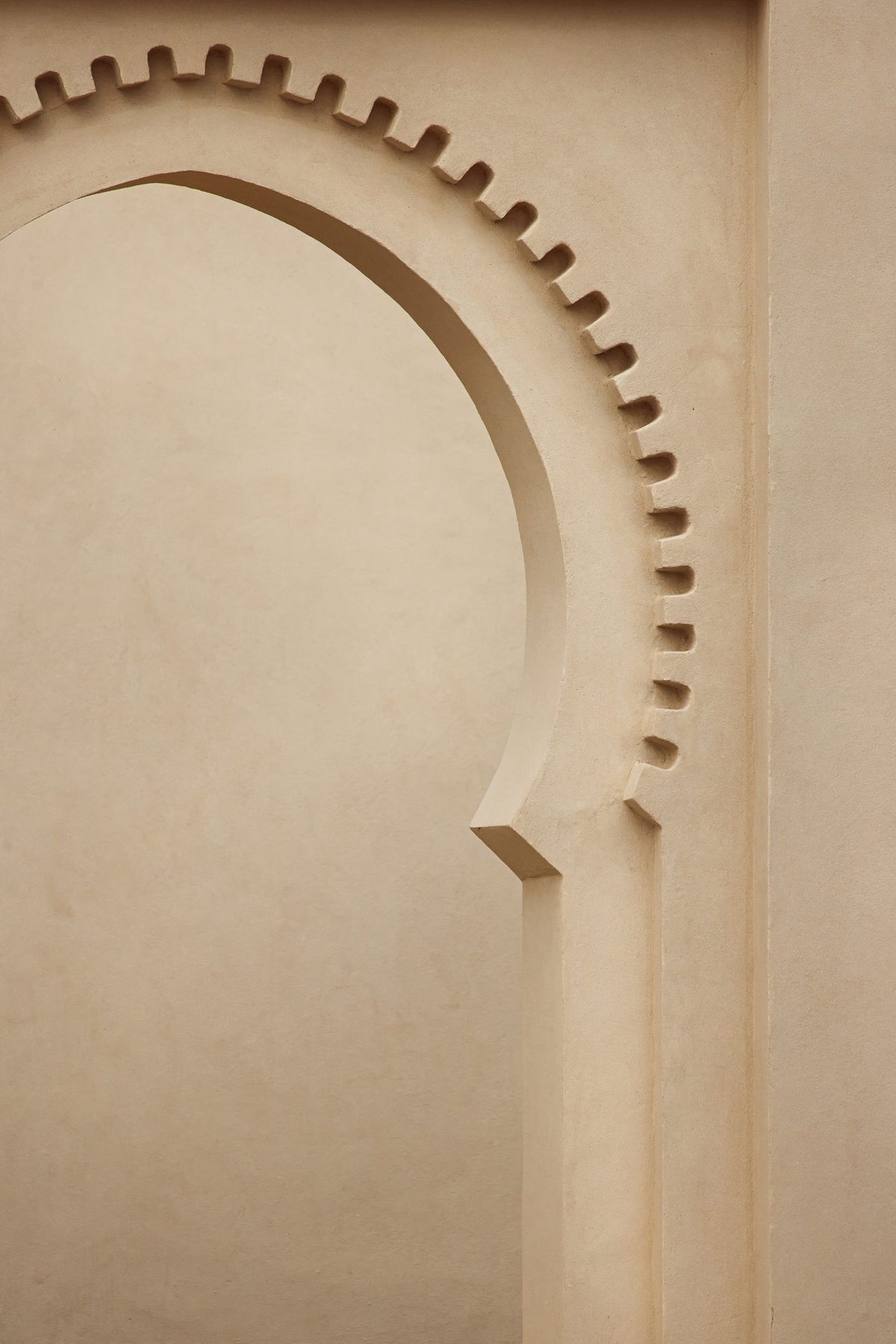
When architects restore heritage buildings or design new ones that echo cultural patterns, they strengthen continuity. Materials, proportions, and motifs drawn from local tradition foster pride and belonging.
This sensitivity grounds modernity in meaning. People feel connected, to place, to past, to community. Architecture becomes both mirror and anchor, reflecting identity while holding space for change.
The Expanding Role of Psychology in Design
As understanding deepens, architectural psychology is becoming a discipline of its own.
Advances in neuroscience, environmental studies, and technology allow architects to measure the impact of light, color, acoustics, and spatial configuration on well-being.
Virtual simulations and behavioral data reveal how people respond emotionally before construction begins. Design becomes evidence-based yet still poetic, guided by both science and intuition.
A Human-Centered Future
The future of architecture lies in empathy.
Spaces will no longer be judged only by their form or function, but by how they make people feel. Homes will restore. Workplaces will inspire. Cities will heal.
As architects, our role is to compose environments that nurture emotional clarity, psychological comfort, and collective harmony. The true measure of success is not just beauty or efficiency, but the quiet uplift we feel when a space aligns with our inner rhythm.
Architecture shapes us as much as we shape it.
When design listens—to body, mind, and soul—it becomes more than shelter. It becomes experience.