Cities are the stage where humanity’s future unfolds.
By 2030, nearly two-thirds of the world’s population will live in urban areas—a scale of growth that demands more than expansion. It calls for clarity, purpose, and resilience. The United Nations’ Sustainable Development Goal 11 (SDG 11)—Sustainable Cities and Communities—answers that call. It envisions cities that are inclusive, safe, resilient, and sustainable.
For architects, this goal is both a responsibility and an invitation: to design urban environments that nurture life, balance ecology, and support equity. Among the strategies guiding this transformation, prefabrication stands as one of the most precise, adaptable, and sustainable tools available.
A New Urban Ethic
Urbanization is no longer a choice—it’s a condition. The question is not whether cities will grow, but how.
SDG 11 reframes this challenge around three imperatives: affordability, mobility, and green resilience.
It calls for housing that welcomes all, transport systems that connect without polluting, and open spaces that restore balance within density. Architecture becomes the interface—shaping spaces where these systems coexist in harmony.
To achieve this balance, design must extend beyond form to process. This is where prefabricated systems align naturally with the ethos of SDG 11.
Inclusivity Through Access
One of SDG 11’s central principles is access to adequate housing. Prefabrication directly supports this ambition.
By manufacturing building components off-site in controlled environments, costs drop, schedules compress, and quality improves.
This efficiency translates into equity—allowing more communities to access well-designed, durable housing at attainable prices.
Prefab design also adapts to cultural context. Modules can be configured to reflect local traditions, materials, and climate, ensuring inclusivity is not only economic but also emotional and cultural.
Sustainability as Process
True sustainability is not a layer added at the end—it is built into every step.
Prefabrication embodies this principle. In factory settings, materials are precisely measured, waste is minimized, and resources are tracked. Production can draw from renewable energy sources, reducing embodied carbon before construction even begins.
On-site, shorter assembly times mean less noise, dust, and disruption to surrounding communities. The result: cleaner, quieter, and more responsible cities.
Prefab buildings can integrate solar systems, green roofs, and high-performance insulation, lowering operational energy use and reinforcing SDG 11’s call for climate-conscious design.
Resilience and Rapid Response
A sustainable city must also be resilient—able to respond swiftly to change.
Prefabricated structures excel in moments of urgency. They can be produced ahead of demand, stored, and rapidly deployed for disaster recovery, housing shortages, or population shifts.
Their modular logic allows cities to expand incrementally, matching growth with resources rather than reacting to crisis. This agility mirrors SDG 11’s vision of urban systems that adapt gracefully to uncertainty.
Efficient Land Use and Urban Harmony
Density, when well-designed, becomes opportunity.
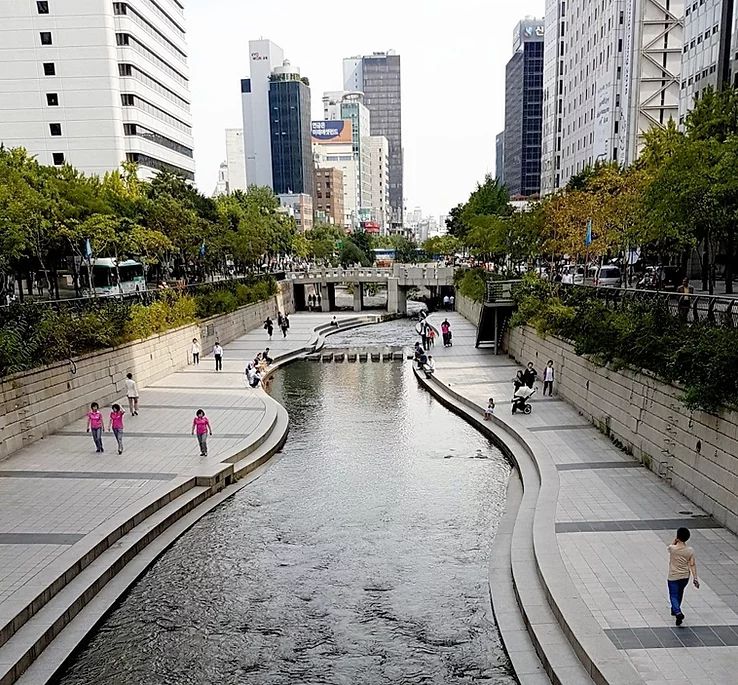
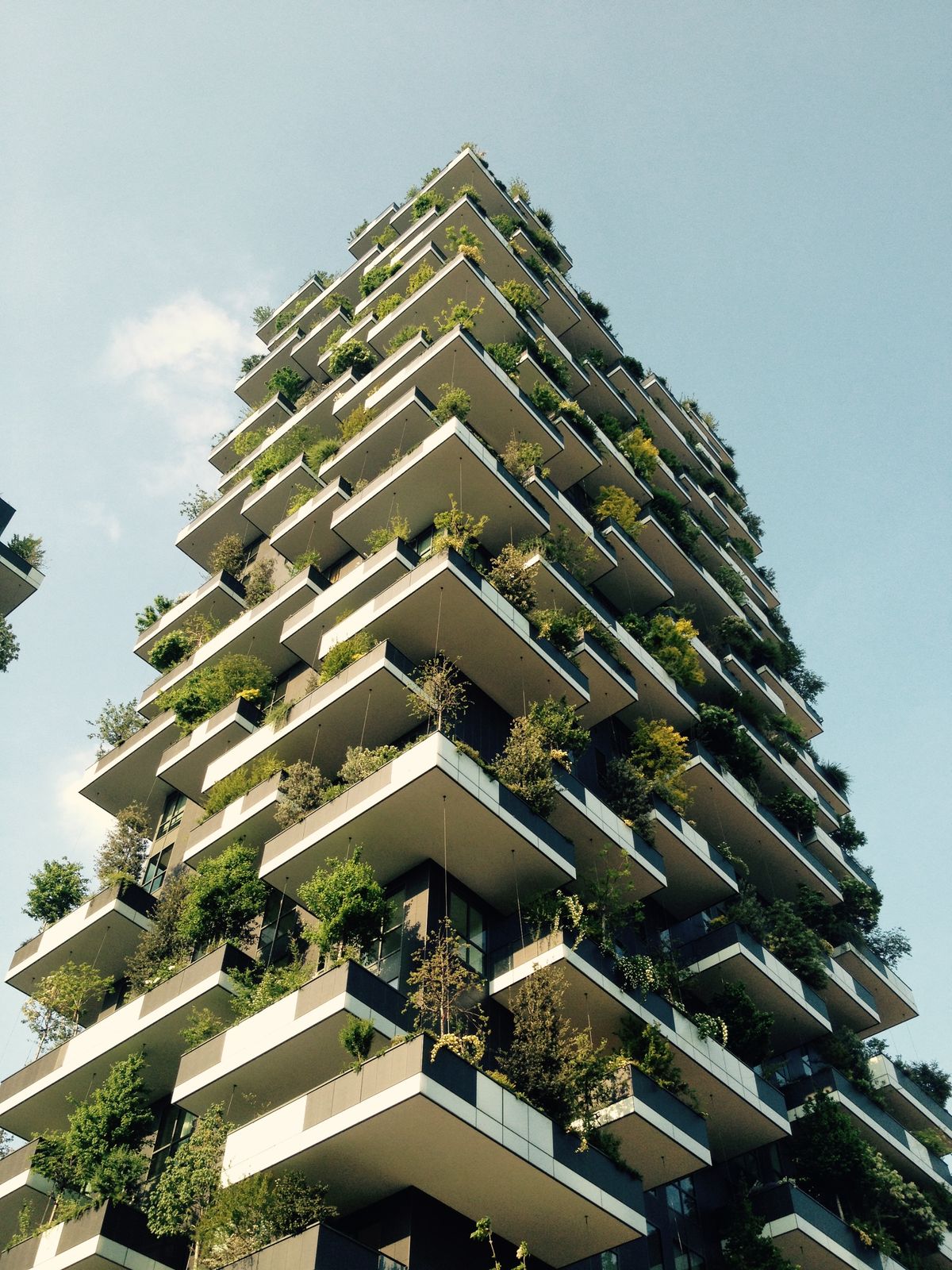
Prefab systems allow vertical and modular configurations that maximize land efficiency while preserving room for parks, gardens, and public spaces. Compact yet breathable, these developments align with SDG 11’s aim of balanced urban ecosystems—where built and natural environments coexist.
Through modular planning, architects can compose rhythmic urban fabrics—neighborhoods scaled to people, not cars; skylines shaped by proportion, not excess.
Community as Co-Author
Sustainability extends beyond environment to social connection.
Prefab systems invite participation. Components can be customized to reflect local preferences; layouts can evolve through dialogue with residents. This process fosters ownership and belonging, embedding SDG 11’s principle of inclusive decision-making into the act of building.
When communities help define their spaces, architecture becomes a shared narrative—functional, personal, and lasting.
Architectural Innovation
Prefab is not compromise; it is craft reimagined.
Precision engineering, digital modeling, and material innovation allow bespoke design at scale. Projects like Milan’s Bosco Verticale or modular housing in Copenhagen reveal how prefabrication can embody beauty, performance, and environmental care.
For architects, this shift demands new thinking: designing in systems and sequences, integrating fabrication and assembly as part of the creative process. It is architecture measured in alignment—between vision, material, and impact.
Toward SDG 11
The prefab revolution transforms SDG 11 from ambition into practice.
It delivers affordability through efficiency, sustainability through control, resilience through adaptability, and inclusivity through participation.
In doing so, it helps cities evolve into living systems—responsive, balanced, and humane.
A Future Assembled with Care
The goal is not merely to construct cities, but to compose communities—places that sustain life in all its dimensions.
Prefabrication offers a pathway: architecture that builds faster but thinks deeper, that minimizes waste but maximizes meaning.
As SDG 11 guides the global vision for sustainable urbanism, prefab architecture stands as one of its clearest instruments—proving that precision, adaptability, and empathy can shape cities that endure.