Cities evolve through grand plans and quiet gestures.
In recent years, a new movement has emerged that favors the latter, Tactical Urbanism. Born from the belief that meaningful transformation begins with small, immediate actions, it reimagines how architecture and urban design engage with communities.
Rather than waiting for large-scale interventions, Tactical Urbanism empowers people to shape their surroundings now, using modest tools, temporary structures, and collective effort. It’s an architecture of agility, rooted in empathy and grounded in place.
Origins of a Movement
Tactical Urbanism arose as a response to the slow rhythms of conventional planning. Formal processes often require years of studies and approvals before a single change appears on the street. Meanwhile, communities live with the consequences, underused spaces, unsafe crossings, neglected corners.
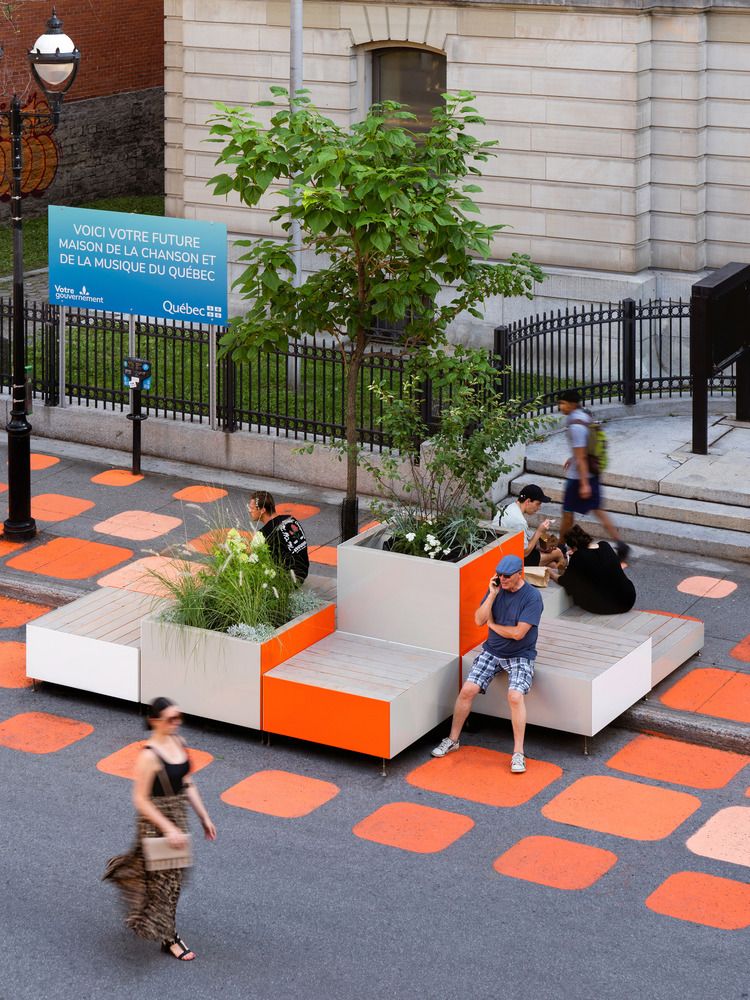
This movement reclaims agency. Through pop-up installations, painted bike lanes, temporary seating, or community gardens, citizens test ideas directly in the urban fabric. These interventions are not final—they are prototypes, allowing residents, designers, and policymakers to see, feel, and refine before committing to permanence.
Architecture as Conversation
At its core, Tactical Urbanism reframes architecture as dialogue.
Each small project becomes a question posed to the city: What happens if this corner becomes a park? If this road slows to welcome pedestrians? If this wall tells a story through art?
These actions invite feedback. They reveal hidden needs, test assumptions, and spark imagination. Through participation, communities gain ownership; through observation, architects gain insight.
Temporary as Transformative
While installations are often temporary, their impact is lasting.
A painted plaza can reveal demand for public gathering. A pop-up bike lane can demonstrate safer mobility. The lessons gathered shape future investment, guiding permanent change with evidence and empathy.
Flexibility is central. Tactical projects use simple, accessible materials, wood, paint, plants, reclaimed elements. Their impermanence encourages experimentation, lowering cost and risk while heightening engagement.
Human-Scaled Innovation
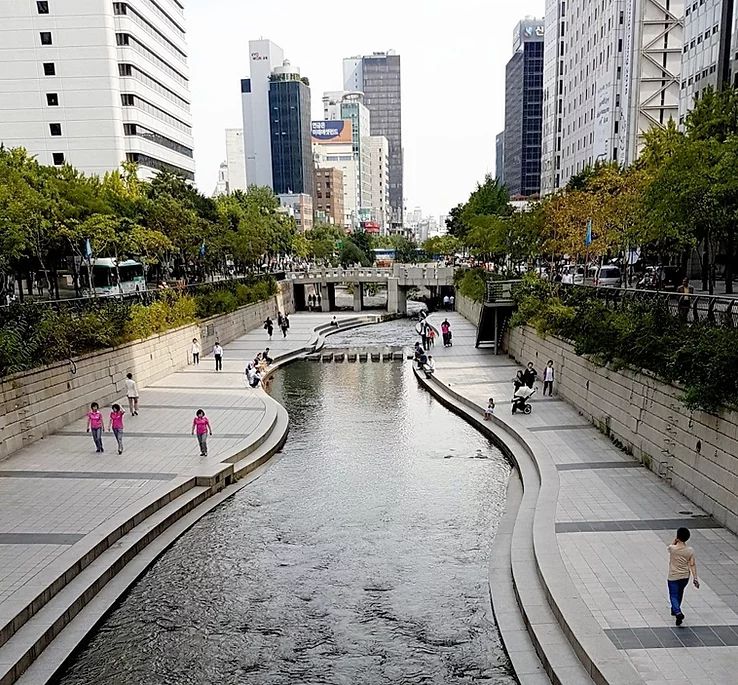
Tactical Urbanism places people—not vehicles or infrastructure, at the center. It restores the scale of walking, gathering, and play. Streets become extensions of living rooms; intersections turn into meeting points.
By calming traffic, inviting presence, and celebrating creativity, these micro-interventions nurture safer, more inclusive environments. They transform overlooked spaces into places of connection.
Community as Designer
In traditional planning, design often flows downward, from authority to citizen. Tactical Urbanism reverses that direction.
It invites collaboration. Residents propose, build, and maintain. Architects and planners listen, guide, and refine. The process fosters trust and pride, weaving a sense of belonging into the urban fabric.
The Better Block initiative in Dallas stands as a model. What began as a weekend experiment, adding trees, benches, art, and bike lanes to a neglected block\, sparked permanent renewal. The temporary became blueprint, proving that participation and vision can coexist.
Economy of Means, Depth of Meaning
These projects thrive on modest budgets and volunteer energy. Their success lies not in grandeur, but in precision: each element chosen for maximum impact with minimal resource.
This economy of means aligns with sustainable practice, reusing materials, reducing waste, and focusing investment where it matters most: human experience.
Lessons for Practice
For architects, Tactical Urbanism is both method and mindset. It asks us to design with humility, to test before declaring, and to see the city as a living laboratory.
It expands the role of architecture beyond buildings, to include systems, rituals, and the public realm. It reminds us that design is not only about permanence, but about process—the gradual shaping of culture and community through spatial gestures.
Beyond Trend, Toward Ethic
Tactical Urbanism is not a passing trend; it is a philosophy of responsiveness.
In a world where cities face rapid change, climate pressure, migration, inequality, this approach offers agility. It allows design to meet urgency without losing intent.
By embracing small, reversible moves, we build confidence for larger, lasting change. Each pop-up park, mural, or market is a statement: transformation begins where people stand.
A Quiet Revolution
When seen collectively, these micro-interventions form a quiet revolution, one built on participation, empathy, and care. They show that the path to vibrant, equitable cities is not always paved in megaprojects, but in moments of presence.
Tactical Urbanism reminds us that architecture is not only what we build, but what we allow to happen, the connections, rituals, and dialogues that unfold when space invites engagement.
Through small moves, we shape lasting change.