In a world facing growing environmental challenges, architecture carries the responsibility to lead change.
At Atelier Roy Chaaya, we see sustainability not as a feature, but as a foundation, a discipline that redefines how buildings live, breathe, and perform.
One of the most forward-looking expressions of this philosophy is the Net-Zero Energy Building, a model where innovation, efficiency, and ecology converge.
Understanding the Net-Zero Principle
A Net-Zero Energy Building (NZEB) is designed to produce as much energy as it consumes over a defined period, typically one year.
This balance is achieved through three interdependent layers:
-
Energy-efficient design,
-
Renewable energy generation, and
-
Smart technology integration.
The result is a self-sufficient structure, one that not only reduces its environmental footprint but also enhances comfort, performance, and longevity.
Designing with Efficiency
The journey to net-zero begins with energy-conscious design. Every decision, from orientation to material selection, contributes to efficiency.
-
Passive Solar Design optimizes sunlight. Proper glazing, shading, and orientation allow natural daylight to replace artificial lighting, while solar heat gain is harnessed in winter and reduced in summer.
-
High-Performance Insulation stabilizes indoor temperature. Advanced materials like aerogel or cellulose minimize heat transfer, reducing dependence on mechanical systems.
-
Efficient HVAC Systems, such as geothermal pumps or radiant floors, ensure balanced comfort with minimal energy use.
Efficiency, in this sense, is not only a technical achievement but also an aesthetic one. A well-balanced building looks and feels effortless because it functions effortlessly.
Generating Energy on Site
Net-Zero architecture does not stop at conservation, it also creates energy.
By producing renewable power on site, buildings move from consumers to contributors.
-
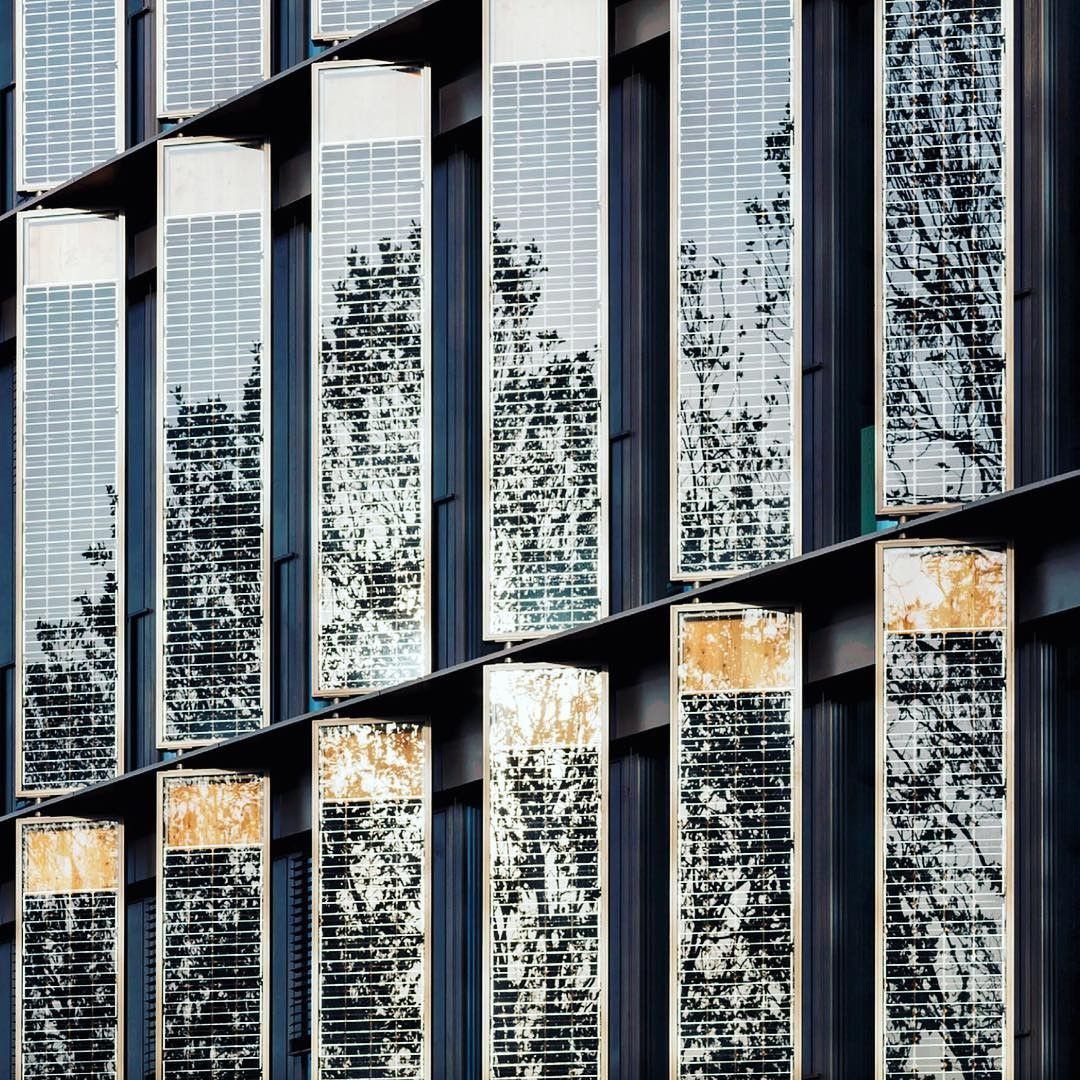
Solar Photovoltaic Panels convert sunlight into electricity, seamlessly integrated into rooftops or facades.
-
Wind Turbines, in open or coastal areas, harvest natural airflow to supplement electrical demand.
-
Geothermal Systems use the earth’s consistent temperature to heat and cool efficiently, reducing reliance on fossil energy.
Together, these technologies form a quiet network, generating clean energy while blending with the architecture’s form and rhythm.
Smart Technologies, Smarter Buildings
The next layer of net-zero design is intelligence. Smart systems transform buildings into responsive environments that adapt to daily life.
-
Energy Management Systems monitor usage in real time, automatically adjusting lighting and temperature based on occupancy.
-
Building Automation centralizes control, uniting HVAC, security, and lighting under one intuitive platform.
-
Occupant Feedback Systems analyze comfort preferences and refine performance over time, merging data with design empathy.
Technology becomes invisible, not dominating the space, but serving it, ensuring every watt, every breath, and every moment is optimized.
The Benefits of Balance
Net-Zero Energy Buildings offer more than sustainability; they embody resilience.
They lower operational costs, shield occupants from energy volatility, and contribute to global decarbonization efforts.
Beyond numbers, they enhance the human experience, with better air quality, balanced temperatures, and a stronger connection to natural rhythms.
The architecture feels alive, aware, and attuned to its inhabitants.
A prime example is the Bullitt Center in Seattle, often cited as the world’s greenest commercial building. With rooftop solar panels, rainwater harvesting, and intelligent systems, it generates more energy than it consumes, a living proof that sustainability and performance can coexist beautifully.
Looking Ahead
As environmental awareness deepens, the shift toward Net-Zero design is no longer optional, it is essential.
Emerging materials, AI-based energy modeling, and advanced storage systems will soon make net-positive buildings the new standard.
At Atelier Roy Chaaya, our focus remains on designing architecture that balances technology, ecology, and emotion.
We believe sustainability should feel natural, embedded in every wall, every window, and every material choice.
A Net-Zero building is not simply efficient; it is a statement of intent, a gesture toward the future.