
Light is the first material.
It has no weight, no texture, no cost, yet it defines everything we see, feel, and understand about a space. Architecture shaped without light is incomplete. Architecture shaped through light becomes alive.
Atelier Roy Chaaya treats light not as an afterthought but as a core material equal to stone, wood, or glass. It forms emotion, sets proportion, and establishes rhythm. It draws the invisible lines that guide how we move, rest, and see.
 The Invisible Structure
Every project begins with the study of natural light. Before forms rise, we watch how the sun crosses the site, how shadows stretch across the ground, how the sky shifts through seasons. These observations reveal more than orientation; they reveal the mood of the place.
Natural light carries authenticity. It changes hour by hour, offering a living dialogue with the building. Morning light may energize a kitchen. Afternoon light may soften a living room. Evening shadow may bring calm to a courtyard. By understanding this choreography, architecture can hold emotion without adding ornament.
Light and Function
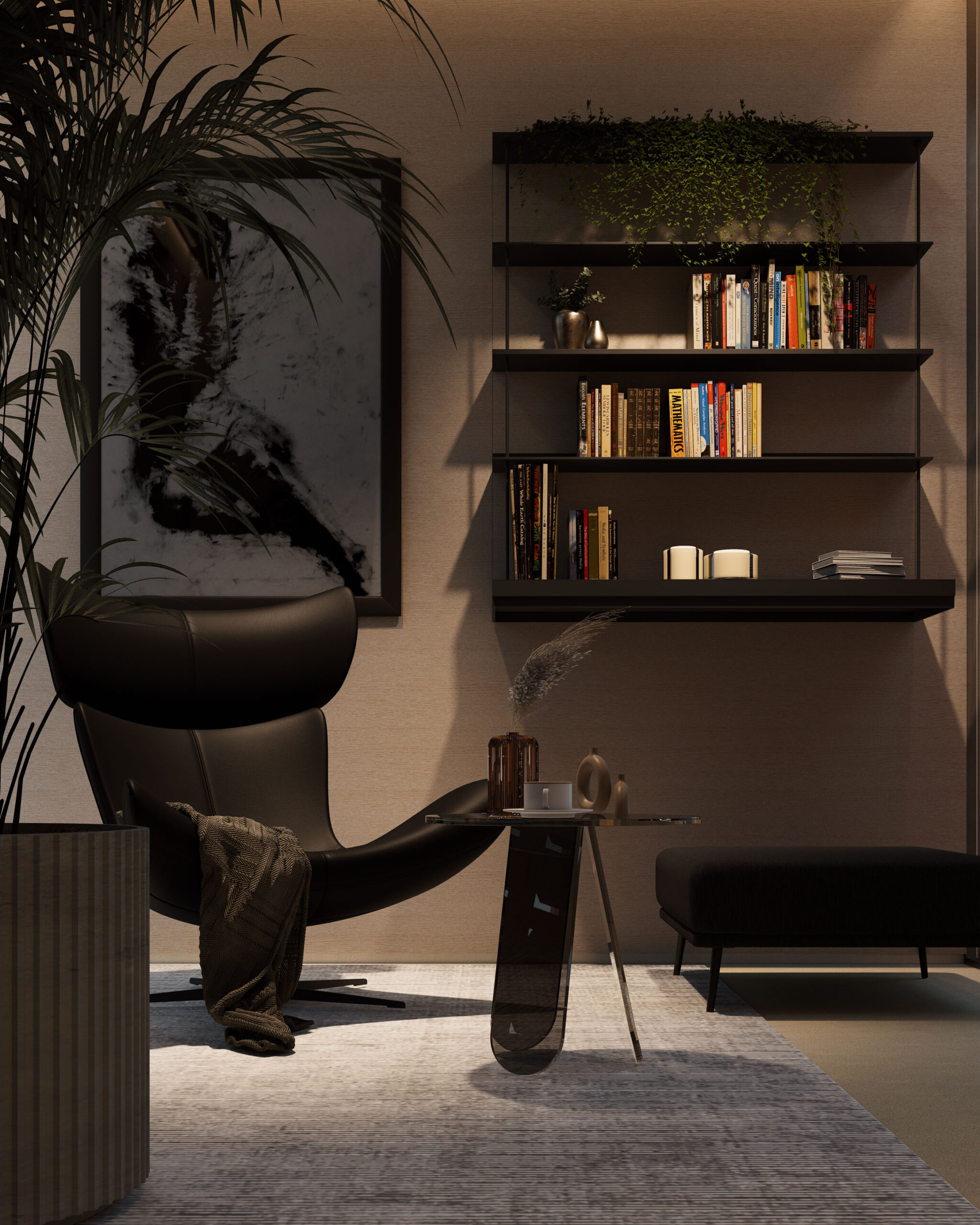
Light is never neutral. It shapes behavior. In spaces designed for focus, clarity matters, controlled light, precise reflection, minimal glare. In rooms meant for rest or reflection, shadow becomes a friend, softening edges, slowing time.
There is no universal emotion for light. Its purpose shifts with function. A gallery may ask for balance. A dining room for warmth. A staircase for rhythm. When light aligns with use, it amplifies comfort and meaning.
 The Role of Shadow
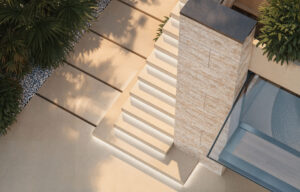
To design with light is also to design with shadow. Shadow defines depth, texture, and proportion. It gives weight to materials and presence to forms. Without shadow, light becomes flat, emotionless, sterile.
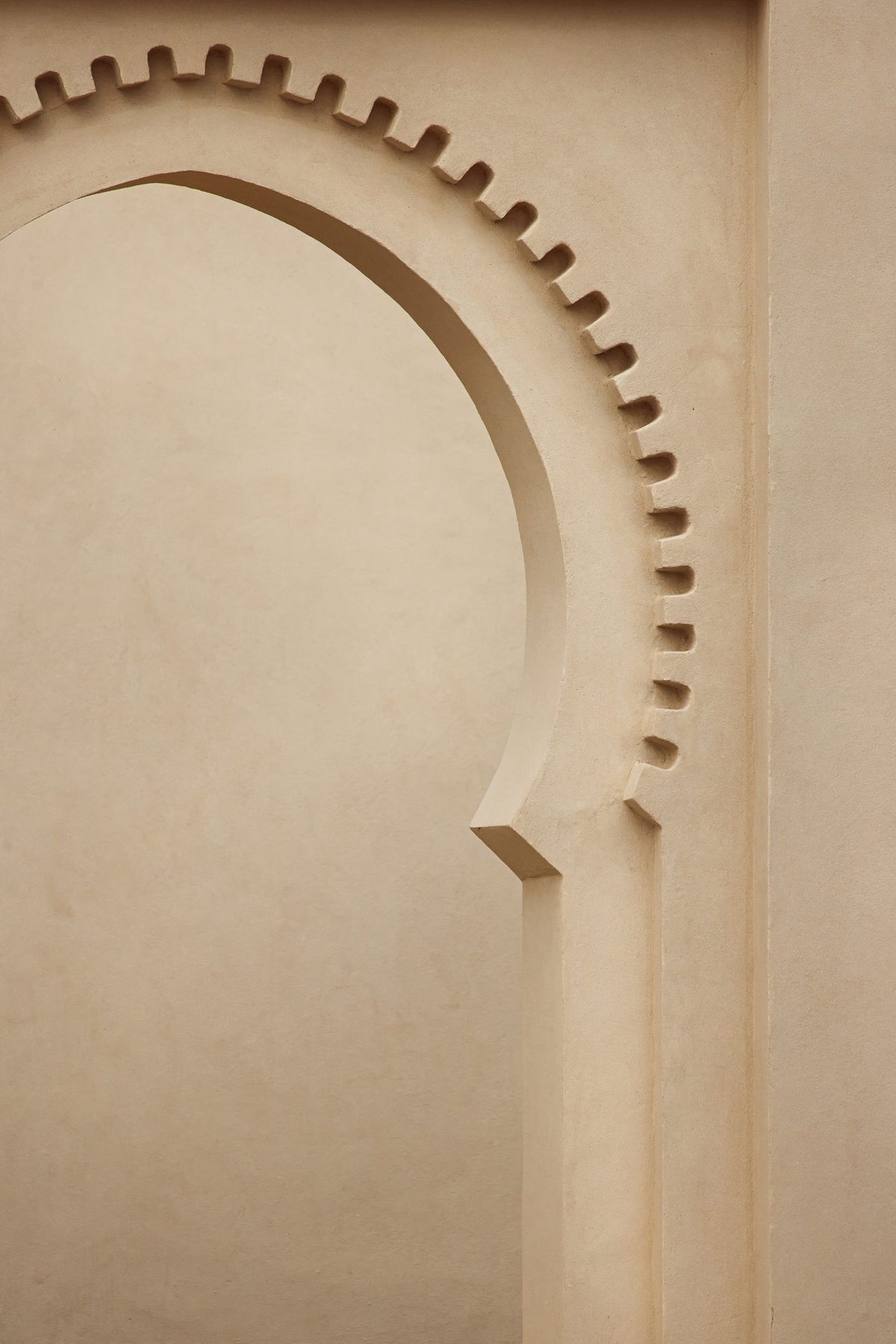
In our atelier, we use shadow intentionally. It marks thresholds, emphasizes joinery, frames views. A narrow slit of light across a wall can reveal the grain of stone. A recessed niche can hold quiet darkness that invites pause. Shadow is not absence; it is structure.
 The Dialogue with Artificial Light
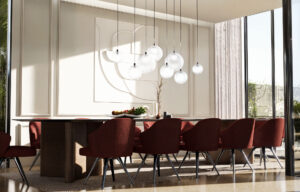
When natural light fades, artificial light becomes its companion not its replacement. We layer it with care, never to overpower but to extend the day’s rhythm.
A soft wash across a wall continues the language of daylight. A concealed source under a step offers safety and calm. Precision in artificial lighting ensures continuity, allowing spaces to breathe, not glare.
Artificial light must listen to architecture, not compete with it. When aligned, the two create a seamless experience that moves from day into night without disruption.
Light as Emotion, Proportion, Rhythm
Light defines the scale of a room more than walls. A low beam of light can compress space, bringing intimacy. A skylight can stretch a ceiling to infinity. It draws lines unseen yet deeply felt, controlling rhythm and flow.
Through light, materials speak. Grain, texture, and joinery reveal their character only when touched by it. Limestone absorbs glow. Timber warms. Metal reflects precision.
This dialogue is where architecture breathes. Without light, the craft remains mute.
The Cost of Neglect
When light is ignored, a building loses vitality. Rooms may feel heavy or harsh. Corners may become lifeless. Even the most refined finishes can fail if light does not honor them.
Lighting can bring a space to life, or quietly kill it. It is the unseen architecture shaping every experience, every emotion, every memory formed inside.
 Designing the Invisible
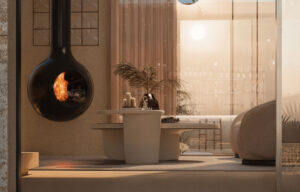
To design with light is to accept its power and fragility. It cannot be touched, yet it defines what we touch. It moves, yet it anchors space.
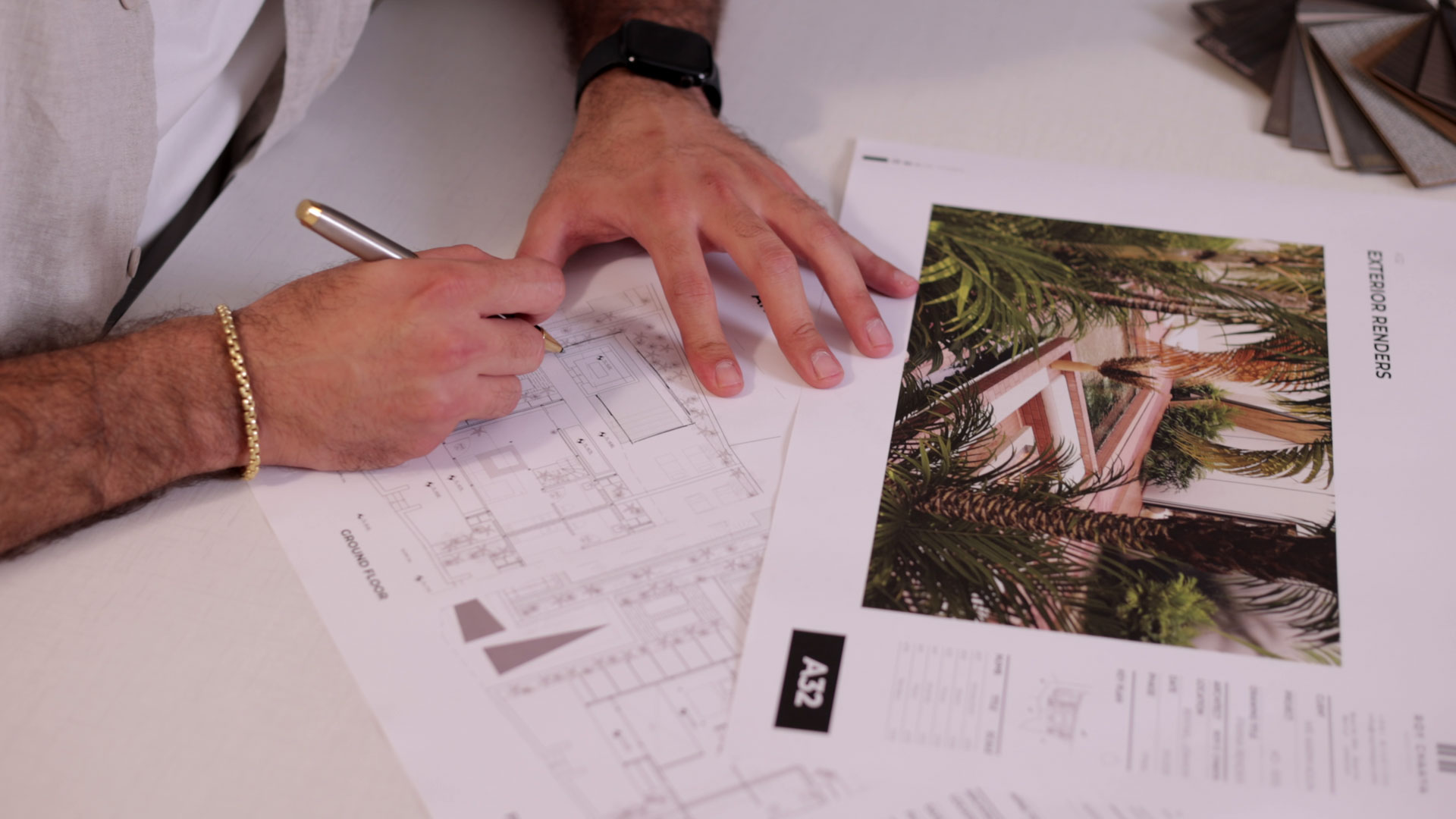
Our process begins with observation. We sit in silence, tracing the path of sun and shade. We sketch light before we sketch walls. Only then do we build.
This discipline ensures that architecture feels inevitable, aligned with the world around it, resonant with the people who live within it.
An Invitation
If you are beginning a project, start by noticing how light moves in your life. Morning rituals, afternoon pauses, evening gatherings, each carries its own light. Consider how these moments could shape the spaces you inhabit.
Light is not decoration. It is the core material of architecture, the invisible structure shaping emotion, proportion, and rhythm.
Let’s explore how it can define yours.
Begin a quiet dialogue with the atelier. Together, we’ll shape space where light leads, shadow supports, and every moment feels alive.