
Precision is the quiet force behind architecture.
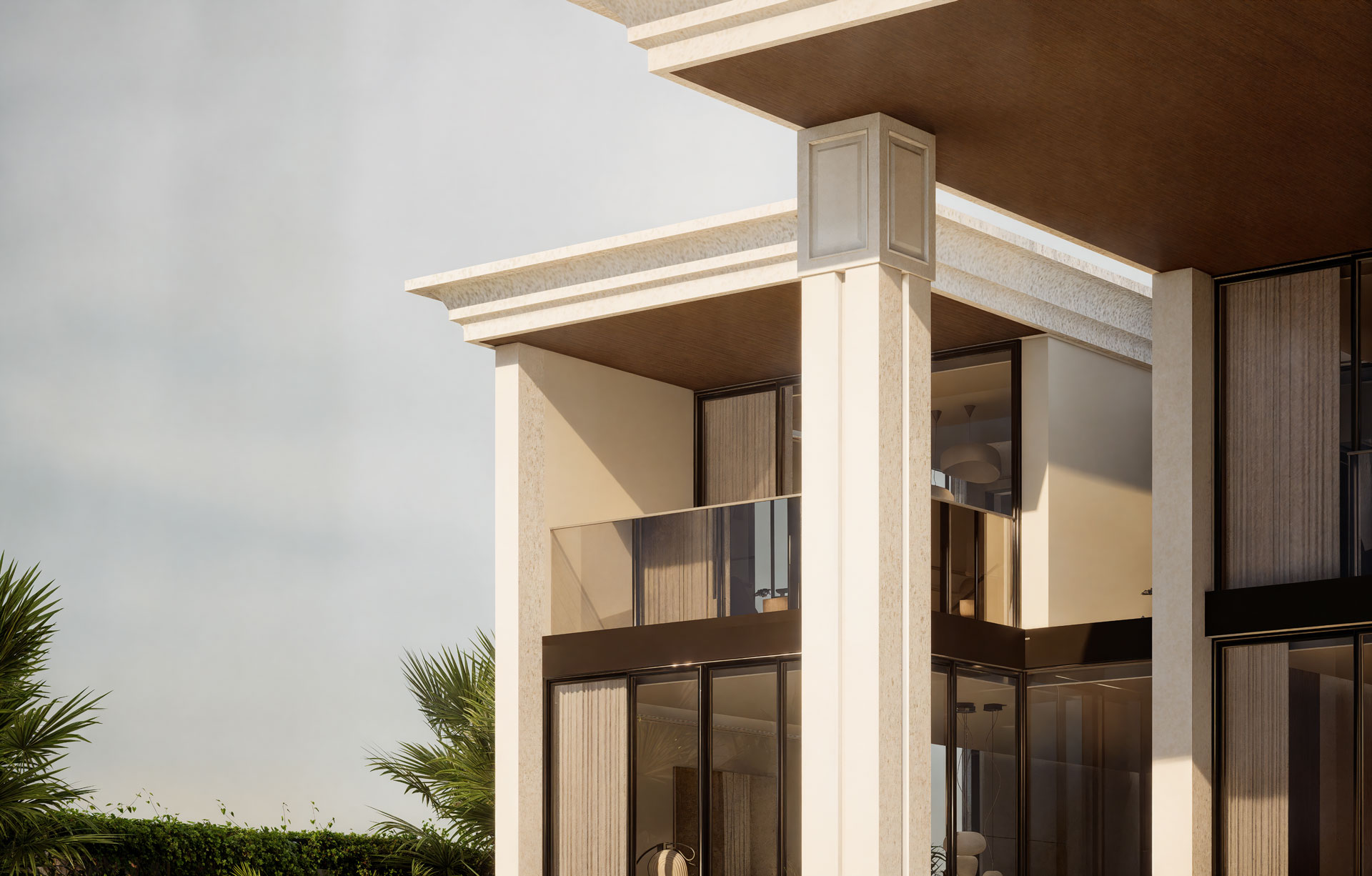
It is the accuracy of construction and the refinement of design details, two disciplines that meet in the finished work yet begin long before ground is broken. Precision is not perfection. It is the studied alignment of intent, material, and craft.
More Than a Line on Paper
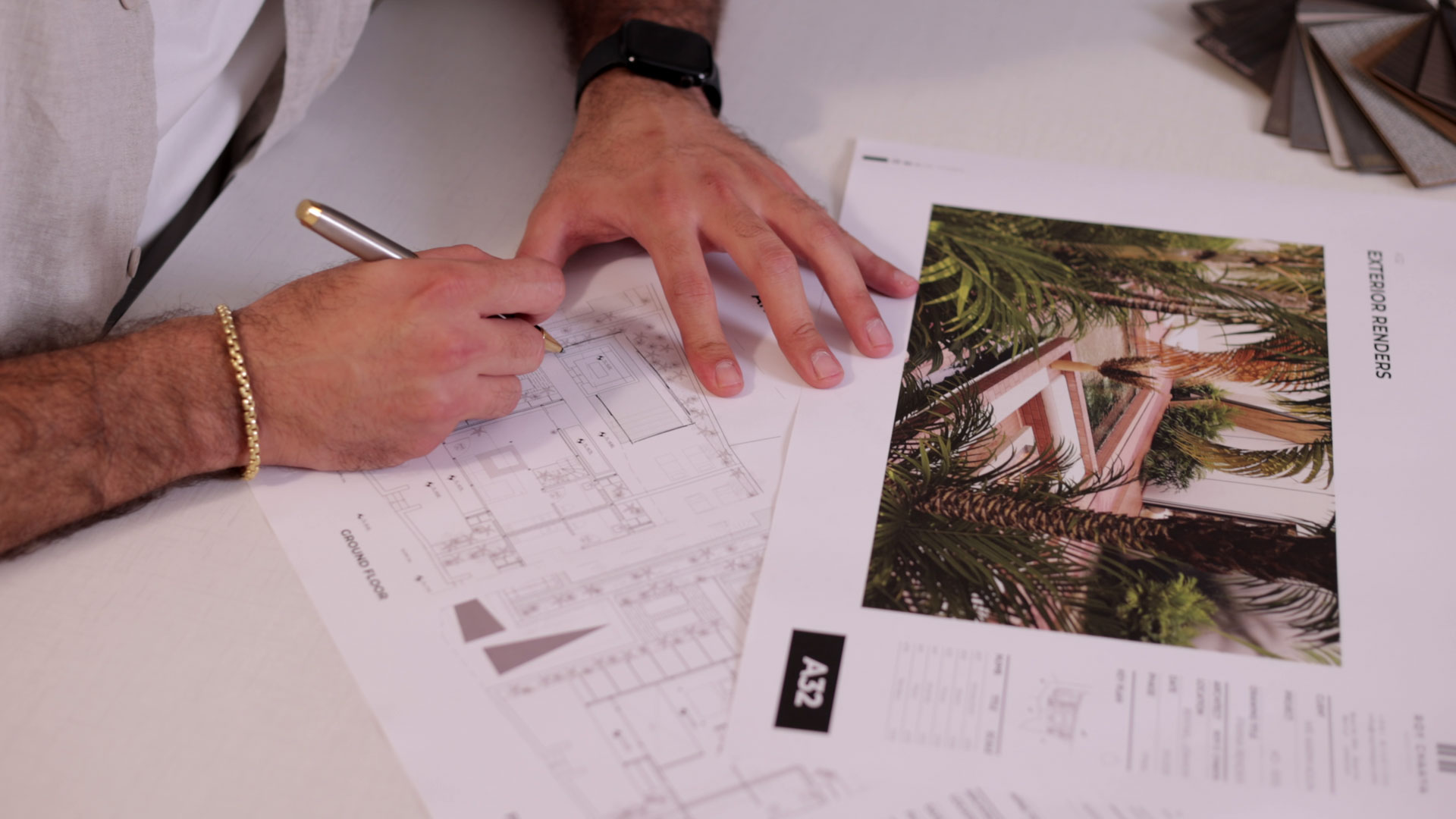
Drawings set the first measure of accuracy. Every dimension, every joint, every proportion signals how the building will stand and how it will age. But precision extends beyond the technical sheet. It reaches into the feel of a handrail, the way shadow falls across a wall at noon, the grain of a wooden door.
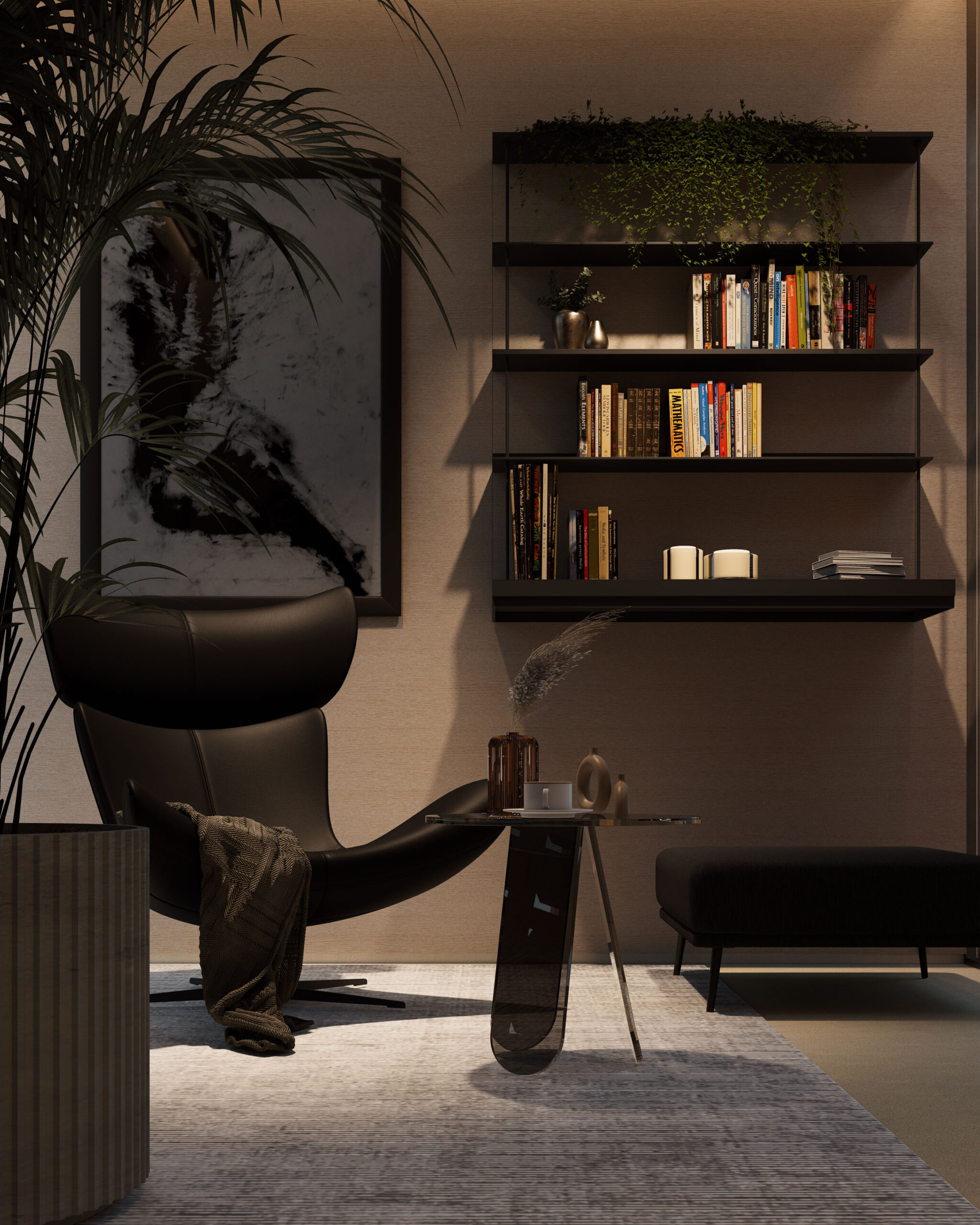
Joinery, light, and material texture give each project its unique character. The smallest cut of timber or the meeting of two stones can turn a common detail into something memorable. When these elements are resolved with care, a space becomes effortless to inhabit, even when the complexity behind it remains unseen.
Craft as Character
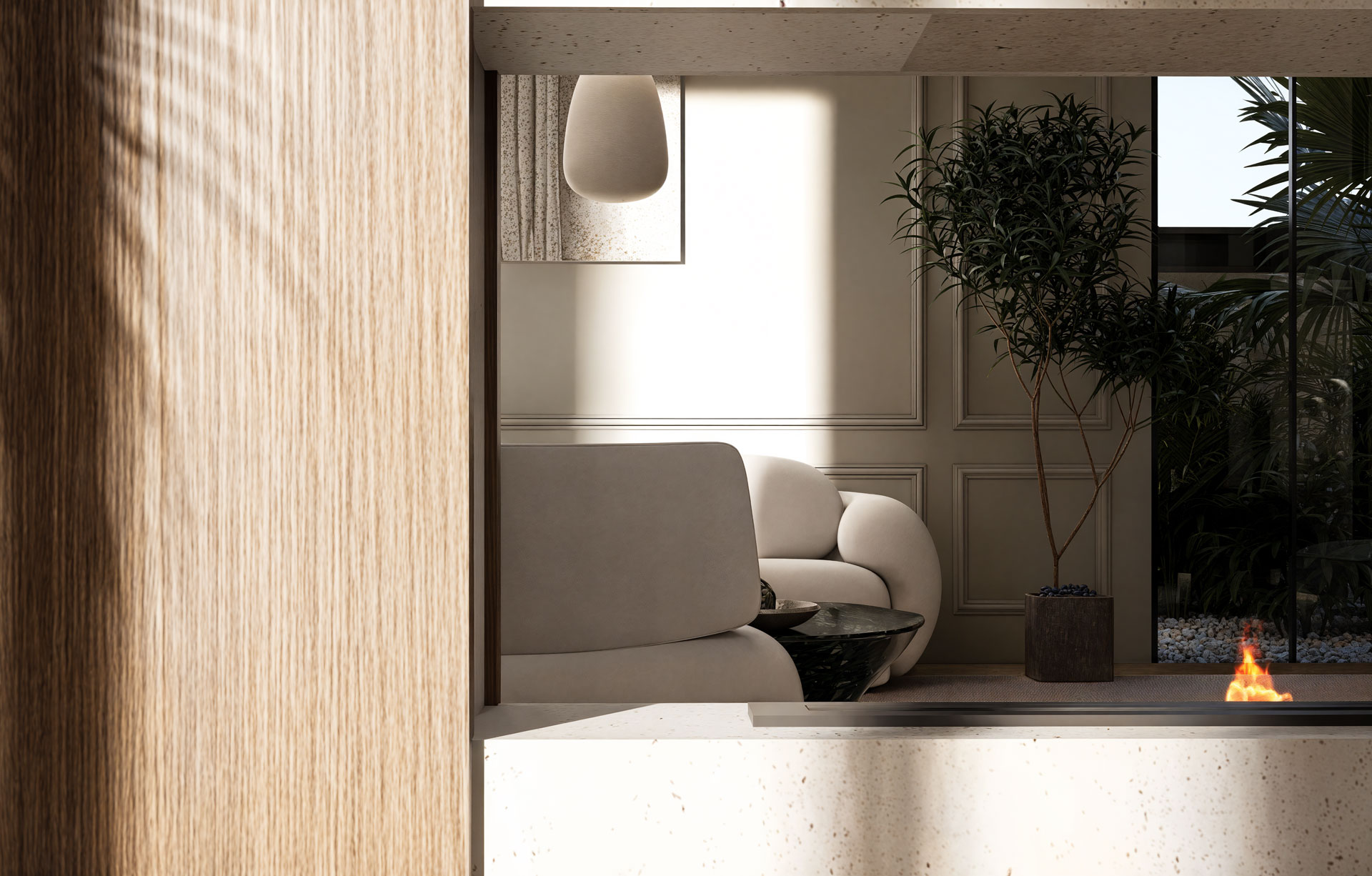
In our atelier, we treat these details as narrative. Joinery is not only structure; it is a conversation between materials. Light is not merely illumination; it is a daily rhythm, changing with the seasons. The grain of stone or wood carries history and guides the touch of the user.
This character is never accidental. It comes from studying the nature of each material, its strengths, its weaknesses, its honest limits. A slab of limestone behaves differently from a piece of oak. Steel requires a different patience than plaster. Precision means respecting those differences, letting the material speak without forcing it.
Balancing Imperfection
Materials have memory. Wood moves with humidity, stone carries hidden veins, concrete cures at its own pace. Precision does not erase these traits; it works with them. We plan for movement, allow for tolerances, and design joints that accept small shifts without losing alignment.
This balance is where architecture gains life. A perfectly smooth surface can feel sterile. A carefully detailed joint that allows a timber beam to breathe shows both control and humility. Precision here is not about eliminating imperfection, but about shaping it into something durable and beautiful.
Time, Cost, and Respect
True precision demands time. It requires craftsmen who understand their tools and designers who remain present through construction. Each decision, whether a mitered corner or a custom hinge, adds hours and cost.
Clients often discover that these investments are not excess but essence. A door that closes with quiet weight, a floor that meets the wall with a fine shadow gap, a window frame that disappears in the light: these experiences endure long after trends fade. They are the difference between a building that simply functions and one that continues to inspire.
Respect for craft is respect for those who build. Precision honors the mason’s skill, the carpenter’s patience, the metalworker’s discipline. It acknowledges that architecture is a collective art, achieved only when every hand involved shares the same care.
The Hidden Language of Detail
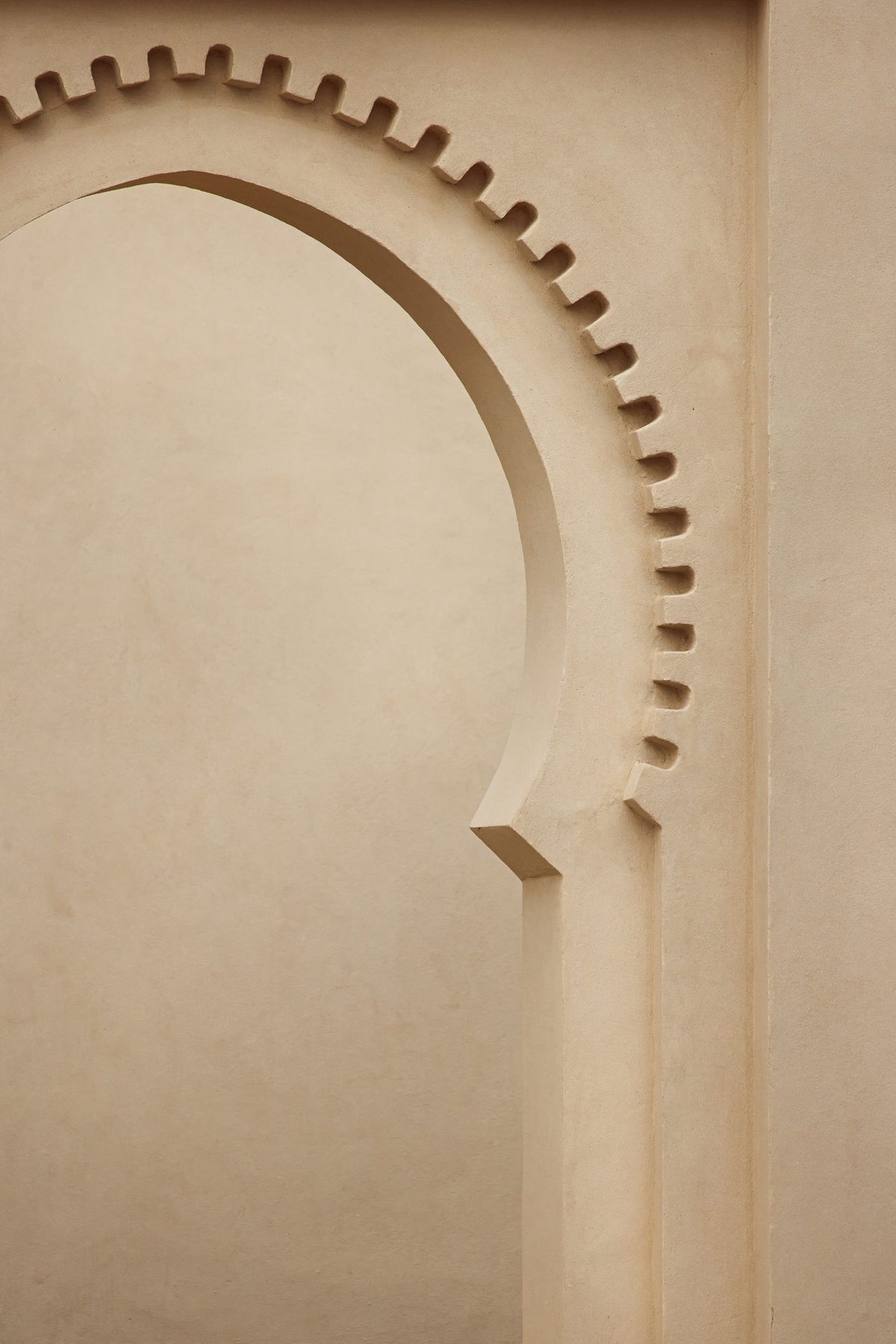
Details are not decorative. Each has a purpose, a time, and a method. A recessed joint might guide water away from a façade. A specific grain direction in a wooden panel might prevent warping. Even the way light grazes a textured wall can mark the passage of the day and invite reflection.
Understanding these uses transforms how we design. We stop treating details as afterthoughts and start reading them as essential parts of the system, each carrying its own logic and necessity.
An Invitation to Look Closer

For those considering a project, the call is simple: look closer. Ask how a corner meets, how a surface is finished, how light will change through the hours. Notice the quiet labor in a seamless junction or the subtle texture of a hand-rubbed finish.
Precision is not a luxury. It is the foundation of lasting architecture. It elevates a space from the ordinary to the quietly extraordinary, ensuring that every encounter with the building, every door opened, every wall touched, feels intentional.
Architecture built with this level of care does more than shelter. It speaks. It tells of the people who shaped it and the respect paid to every material, every joint, every moment of craft.
If you’re planning a project, take time to notice the small things, the junctions, the shadows, the weight of a door. These details are where true architecture lives. Start a quiet conversation with the atelier and we can explore how precision, craft, and your own way of living can become a single design.