In a world defined by rapid urbanization and technological acceleration, architecture stands at a crossroad. Modernism has long championed innovation, efficiency, and minimalism, yet a growing movement is calling for something deeper, a return to heritage, identity, and craft. The revival of traditional architectural styles is not a rejection of progress, but a reminder that the past holds lessons essential for the future.
The Enduring Appeal of Tradition
Traditional architecture offers more than aesthetic beauty. It conveys continuity, stability, and a sense of belonging. These buildings are physical narratives, carrying the memory of craft and the spirit of place. In a world where cities can feel increasingly uniform, traditional forms anchor communities in culture and history.
For many, these styles evoke emotional comfort. They remind us of proportion, ornament, and material honesty, values often overshadowed by speed and spectacle. By reinterpreting these traditions, architects can design environments that feel both timeless and rooted in identity.
Integrating Past and Present
Reviving tradition does not mean reproducing history. It is about translation, not imitation. Architects today are weaving vernacular languages into contemporary frameworks, merging old rhythms with new materials, and classical detail with modern functionality.
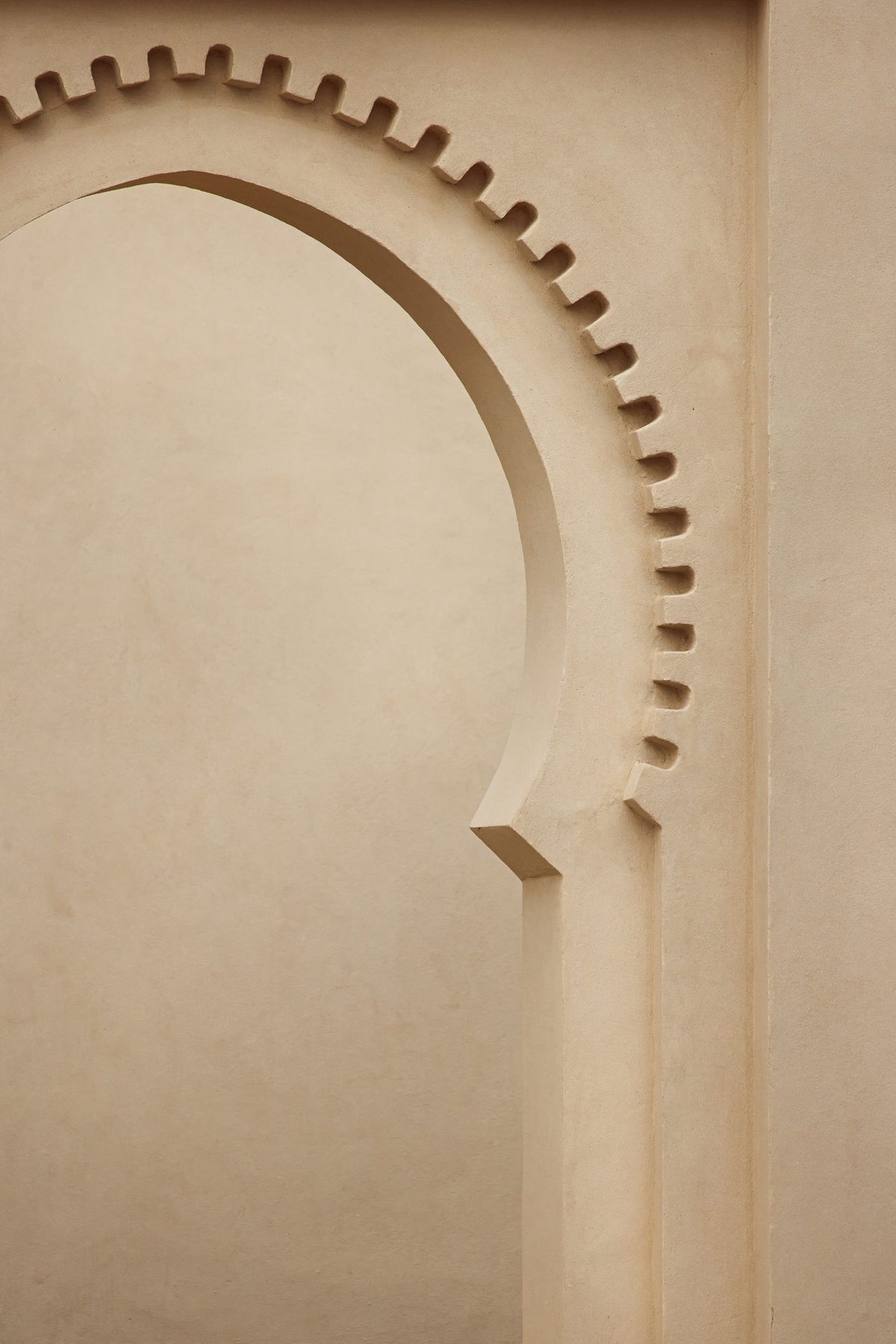
A façade might borrow the symmetry of a historic street, while interiors adopt open plans for modern living. Courtyards, arches, pitched roofs, and carved screens find new expression through steel, glass, and sustainable composites. This synthesis bridges eras, proving that heritage and innovation are not opposites, but partners.
Challenges in Revival
Designing with tradition requires sensitivity. Architects must navigate between authenticity and adaptation.
Reproducing a historical form without understanding its context risks superficiality. Yet ignoring contemporary needs, from energy efficiency to accessibility, limits functionality.
The challenge lies in balance: preserving cultural essence while aligning with modern codes, technologies, and lifestyles. This calls for research, consultation with local craftspeople, and a clear understanding of regional materials and climate.
Global Examples of Renewal
Across the world, projects illustrate how traditional forms can be reborn with relevance.
In Japan, the revival of wooden machiya townhouses blends traditional joinery with seismic technology, preserving heritage while enhancing safety.
In Morocco, riads are being reimagined as boutique residences, maintaining their courtyards and zellige tilework within modern hospitality programs.
In Europe, adaptive reuse projects breathe life into stone farmhouses and medieval townhouses, integrating radiant heating, natural ventilation, and smart systems while respecting historical fabric.
These examples show that honoring the past can enrich the present, offering spaces layered with meaning and memory.
The Role of Technology
Ironically, technology has become a key ally in traditional revival. Tools such as 3D scanning, BIM modeling, and virtual reality allow architects to study, document, and reinterpret heritage with precision.
Digital fabrication replicates intricate ornamentation once achievable only by hand.
Augmented reality enables clients to experience restored facades and spaces before construction begins.
This synergy of craft and code elevates both, technology supports authenticity, ensuring that revival is accurate, not nostalgic.
Sustainability in Tradition
Traditional architecture was inherently sustainable long before the term became fashionable.
Vernacular buildings responded to local climate through orientation, materials, and passive cooling.
By revisiting these principles, architects today can design energy-efficient structures that harmonize with their environments.
Clay walls, shaded courtyards, wind towers, and stone masses are not relics, they are lessons in ecological intelligence.
Integrating these insights into modern design connects environmental responsibility with cultural identity.
Beyond Style: Reviving Spirit
The revival of traditional architecture is not only a design decision but a cultural gesture. It reaffirms that progress does not require amnesia. By grounding innovation in heritage, architects craft spaces that resonate emotionally and symbolically.
These buildings remind us who we are. They restore ritual, material tactility, and human scale, qualities often lost in the pursuit of novelty. In a world of abstraction, they offer meaning.
Looking Forward
The future of architecture lies not in abandoning the past but in continuing its story.
As cities grow denser and technology more pervasive, spaces that express identity and memory become vital.
Reviving traditional forms with modern tools allows architecture to serve both function and feeling, progress and place.
At Roy Chaaya Architects, we believe that design is dialogue — between past and future, between craft and innovation.
By weaving tradition into contemporary practice, we create architecture that is not only built but believed in — rooted in culture, refined for today, and ready for tomorrow.