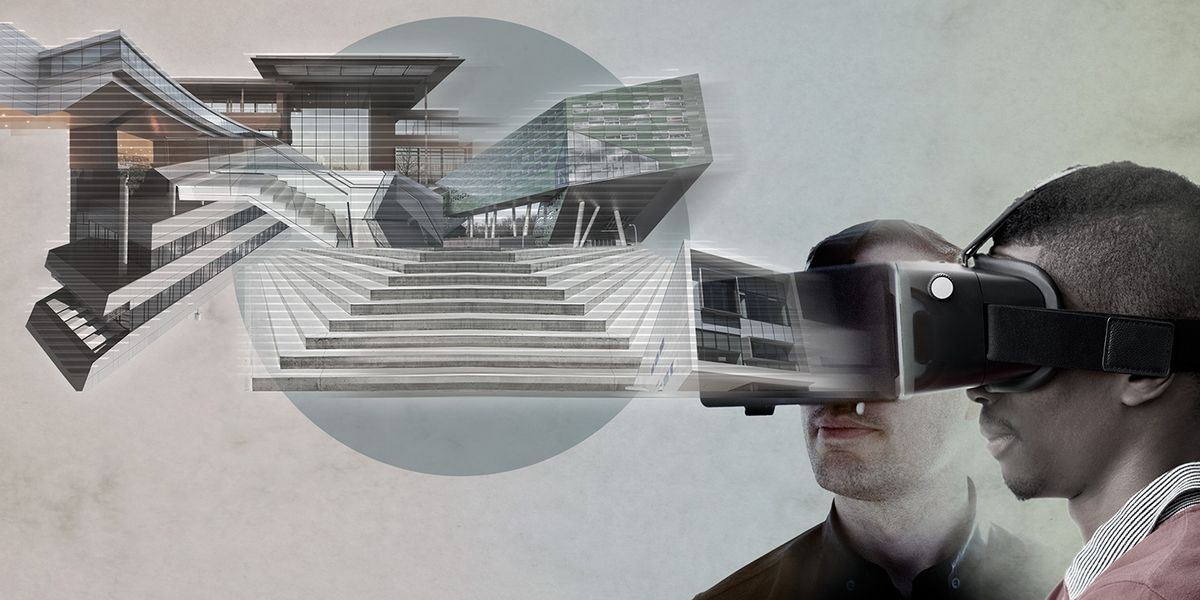
Architecture has always been about more than form. It is the art of imagining space before it exists. Today, Virtual Reality (VR) offers a new lens through which architects and clients can explore that imagination. By merging vision with immersion, VR is reshaping how spaces are designed, understood, and experienced.
The Evolution of VR in Design
VR began as an experimental tool, an extension of 3D modeling. What started as static visualizations has evolved into fully immersive environments where designers and clients can step inside a concept long before it becomes reality.
This shift allows architecture to transcend the limits of drawings and renders. Instead of interpreting plans, clients now walk through virtual spaces, experiencing volume, light, and proportion as if they were already built.
For architects, this marks a turning point. VR bridges the gap between concept and perception, helping translate technical ideas into emotional understanding.
Visualizing Beyond the Blueprint
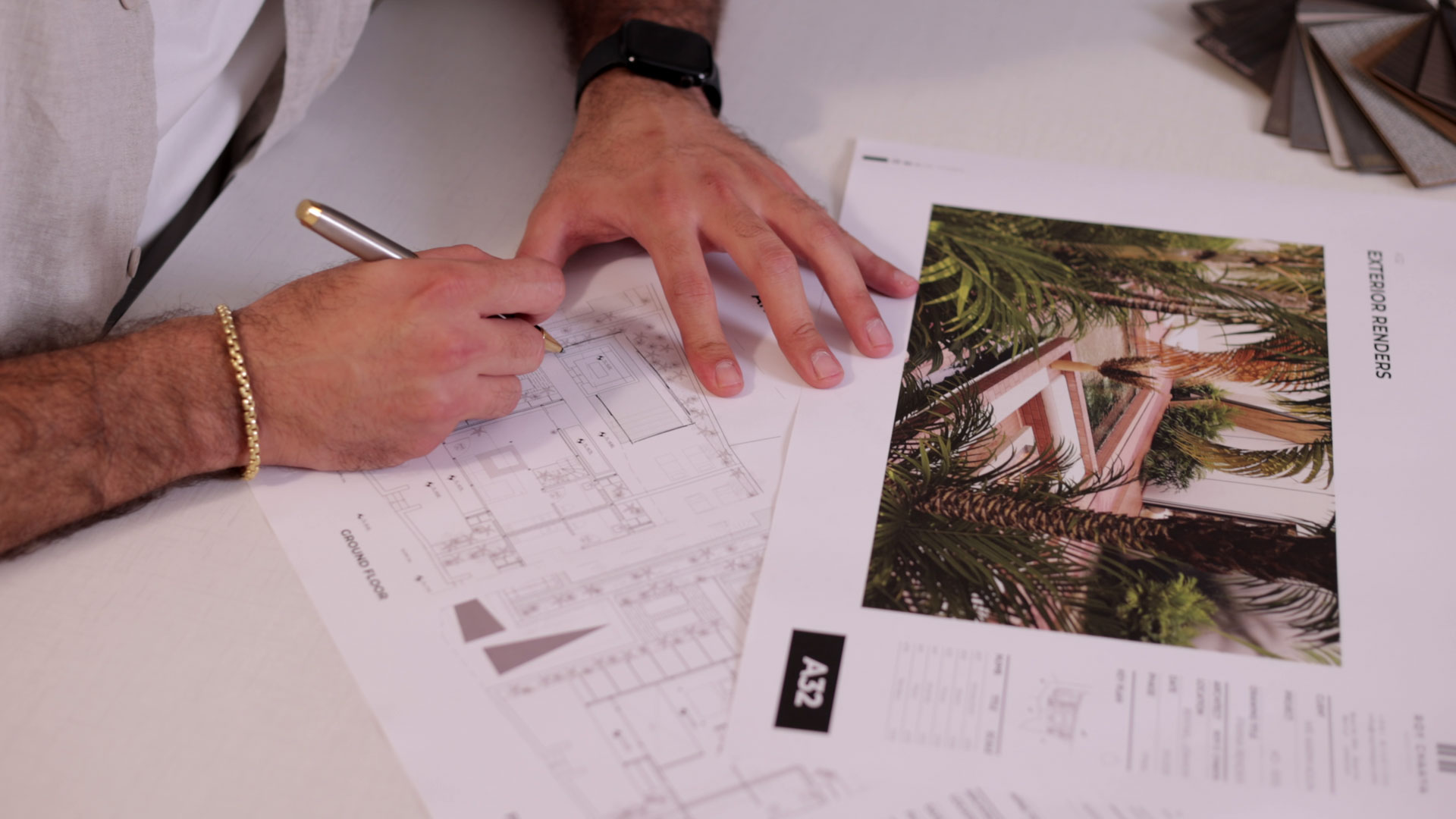
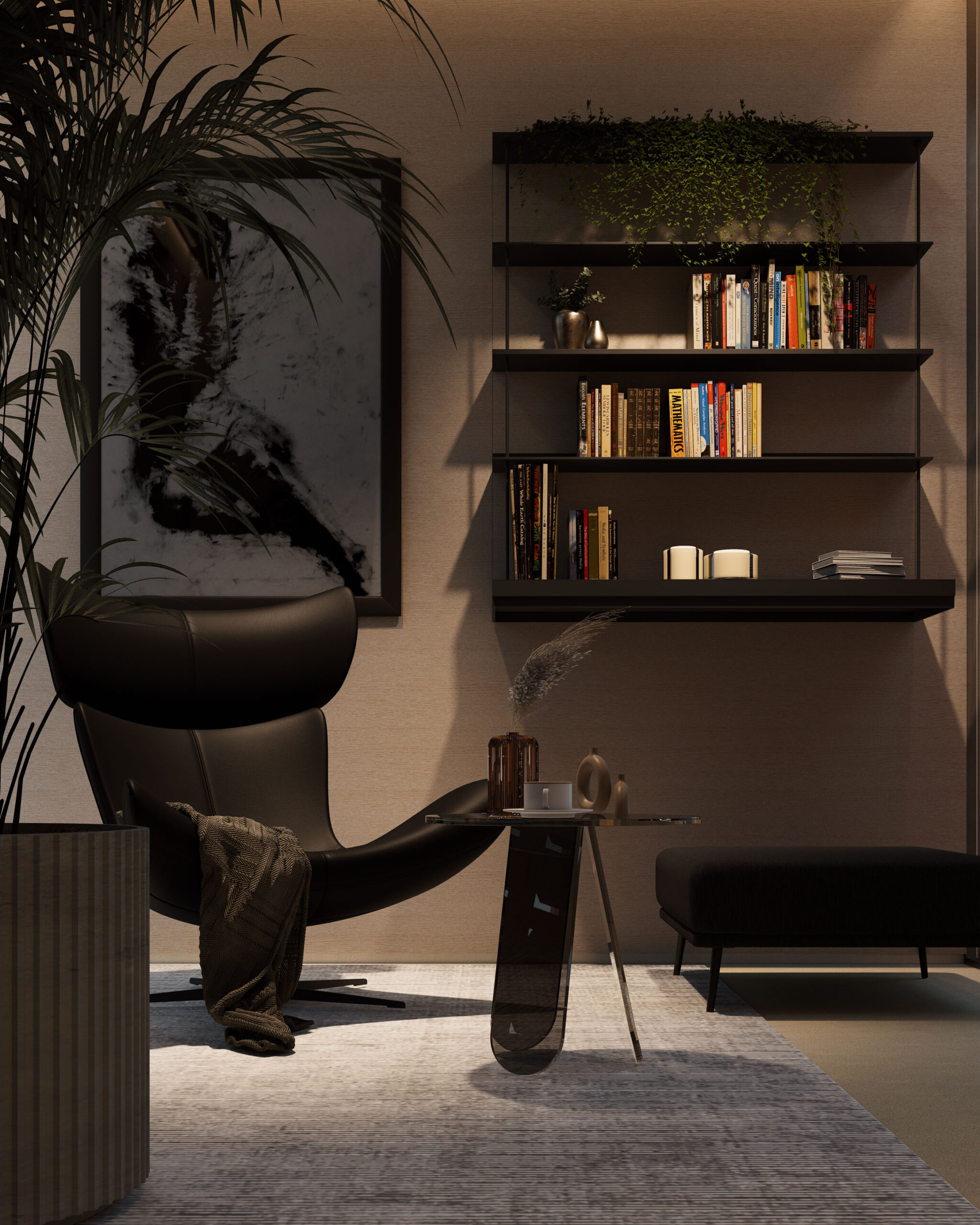
One of the greatest strengths of VR lies in clarity. A floor plan can explain layout, and a render can suggest mood, but a virtual walkthrough communicates experience.
With VR headsets, clients explore every corner of their future home or building. They can see how sunlight fills a room, how spaces connect, and how proportions feel in real scale.
This immersive layer builds confidence and trust. It transforms abstract concepts into tangible sensations, reducing uncertainty and guiding more informed decisions.
Interactive Collaboration
VR is not only a presentation tool; it is a design instrument.
Architects and clients can now meet inside a virtual model, discussing finishes, shifting walls, or testing lighting in real time. Changes that once required days of rework can now be previewed instantly.
This interactivity accelerates collaboration. It allows the design process to be more fluid, reducing miscommunication and aligning intentions from the earliest stages.
The Power of Virtual Walkthroughs
Virtual walkthroughs are redefining client experience. Walking through a space before construction begins gives clients a sense of ownership and clarity.
It helps them understand not just aesthetics, but function—how movement flows, how spaces relate, and how the design supports daily rituals.
Potential issues, from circulation to scale, can be identified early and resolved before they become costly adjustments on site.
Transforming Presentations
Traditional presentations often relied on sketches, static renders, or scale models. VR replaces these with immersive narratives.
Instead of showing, architects now invite clients to inhabit.
The result is more than engagement; it is understanding. Clients connect emotionally to the vision, experiencing the rhythm, light, and proportion of their future environment.
For competitions and public projects, VR becomes a storytelling tool. It allows stakeholders to visualize potential impact, fostering transparency and shared vision.
Challenges to Adoption
While VR brings new possibilities, it also introduces challenges.
Hardware and software investments remain significant for some studios. Skilled teams are needed to develop, manage, and maintain these virtual environments.
For certain clients, the technology may feel unfamiliar, requiring guided experiences to ensure comfort and comprehension.
Yet, as tools become more accessible, these barriers are steadily fading. The long-term benefits, clarity, efficiency, and alignment—often outweigh the initial learning curve.
The Future of Virtual Architecture
VR continues to evolve alongside other technologies like augmented reality (AR) and artificial intelligence (AI). Together, they point to a future where design is not only visualized but lived before it’s built.
Imagine testing how morning light moves through a kitchen or how a lobby sounds during peak hours—all within a virtual model.
These simulations refine decision-making and ensure that each element serves both form and function with precision.
For architects, the opportunity is profound. VR enhances not just the presentation of design, but the process, bringing creativity, craft, and client into the same immersive dialogue.
A New Layer of Design Clarity
Virtual Reality is not replacing traditional tools; it is complementing them.
Drawings remain essential, models still guide craft, but VR introduces a new layer of clarity. It turns vision into lived experience before the first stone is placed.
In this new landscape, architecture becomes more collaborative, precise, and emotionally resonant. The client no longer sees a project from the outside, they feel it from within.
Closing Thought
At Roy Chaaya Architects, technology is not adopted for novelty but for meaning. VR serves as a bridge—between imagination and experience, between concept and comfort.
Through it, we craft designs that are not only seen, but understood; not only planned, but felt.
The future of architecture is immersive, intentional, and deeply human.