Architecture evolves, but not every shift brings value.
Some trends capture attention yet fade as quickly as they arrive. Others, though well-intentioned, prioritize spectacle over substance. In design, novelty should never outweigh purpose. The true measure of architecture lies in how it serves, not how loudly it speaks.
Let’s pause and examine a few popular trends that, despite their charm, often disrupt the quiet balance between beauty and function.
The Oversized Indoor Swing
Playful at first glance, indoor swings have become a frequent centerpiece in many interiors. They promise whimsy, yet in practice, they often intrude.
Suspended from high ceilings, these structures consume space, interrupt flow, and rarely serve daily life. Their novelty quickly fades, leaving behind an element that feels misplaced.
Architecture thrives on rhythm and proportion. When one piece breaks that balance, the harmony of the whole is lost. A space should invite ease, not impose an object that feels performative.
The Barn Door Obsession
Barn doors arrived with rustic charm. Sliding on metal tracks, they offered texture and nostalgia. Yet repetition has dulled their impact.
In small rooms, they clash with walls and furniture. Their sound interrupts quiet. Their scale feels forced in refined settings. What once symbolized utility has become decorative excess.
Good design honors context. A barn door belongs where its logic remains—farmhouses, lofts, or spaces with true rustic intent. In other homes, subtler solutions achieve elegance without imitation.
Surrealist Structures
Architecture inspired by surrealism can be striking—facades that twist, bend, or appear to float. These forms impress visually but often challenge practicality.
When structure becomes spectacle, usability suffers. Circulation grows confusing, construction costs soar, and maintenance becomes complex. A home or building should first offer clarity and comfort before seeking astonishment.
Innovation should feel inevitable, not theatrical. The best architecture blends vision with restraint, shaping wonder through purpose, not distortion.
The Gadget Overload
Technology promises convenience, yet too much of it leads to clutter of a different kind.
Homes filled with voice-activated appliances, interactive mirrors, and touchscreens at every turn risk becoming laboratories rather than sanctuaries.
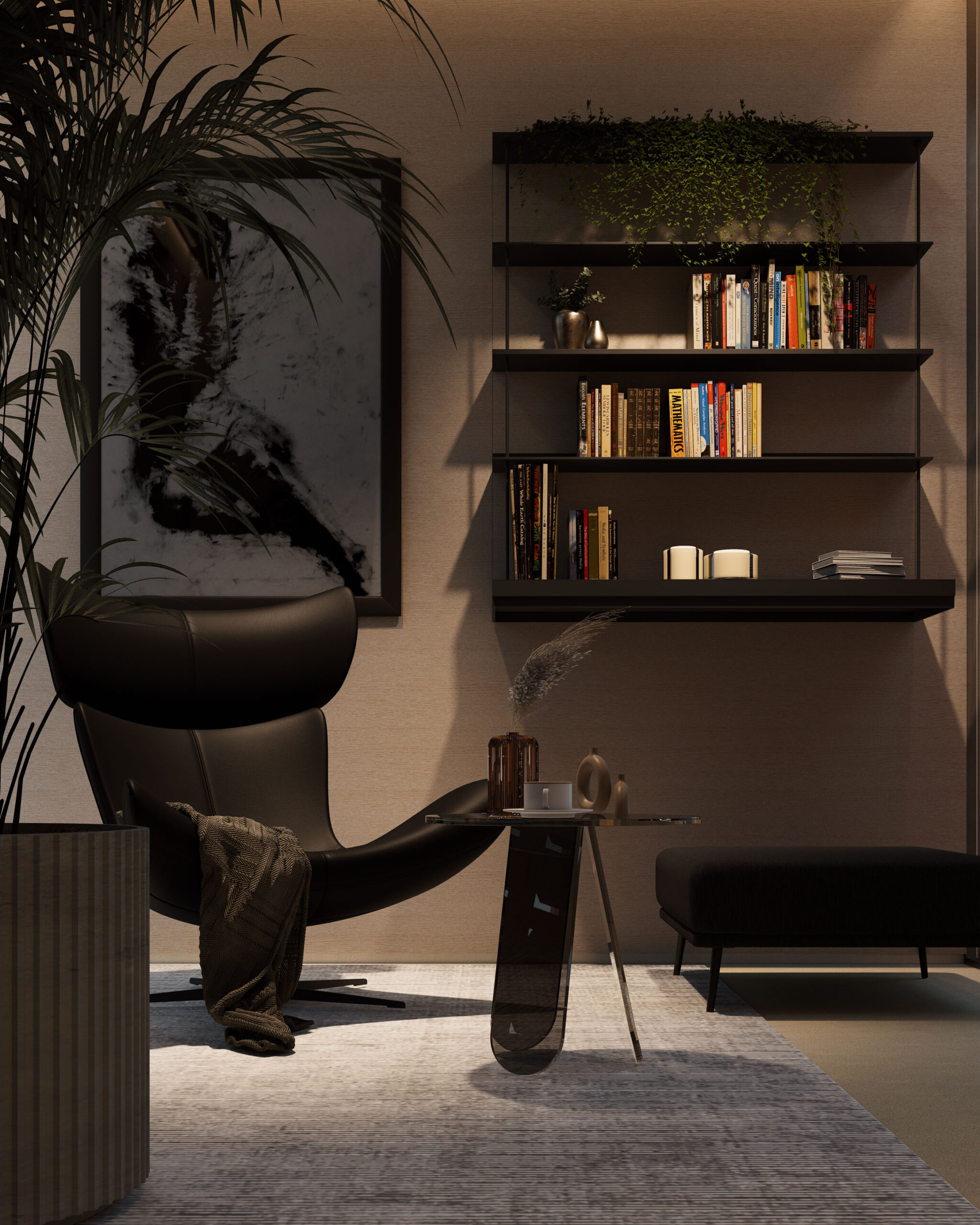
Smart systems should simplify, not dominate. Lighting that adjusts gently, climate control that learns your rhythm—these add value. But when design becomes dependent on devices, it loses warmth and timelessness. Architecture should invite presence, not distraction.
Neon Excess
Neon light carries a bold energy suited to urban landscapes and creative spaces. In moderation, it can highlight a gesture or frame a focal point.
But when overused, it overwhelms. Rooms glow with artificial glare, shadows disappear, and calm evaporates. The home becomes performance, not refuge.
Light, in its natural form, is architecture’s greatest tool. It shapes volume, texture, and mood. Artificial color should complement, not replace, that quiet dialogue.
When Form Forgets Purpose
These trends reveal a common mistake: designing for attention rather than intention.
A space that prioritizes novelty may impress for a season but rarely endures. True architecture rests on proportion, clarity, and comfort. Every gesture—line, light, texture—should serve a reason.
Design is not decoration. It is experience made visible.
A Return to Meaning
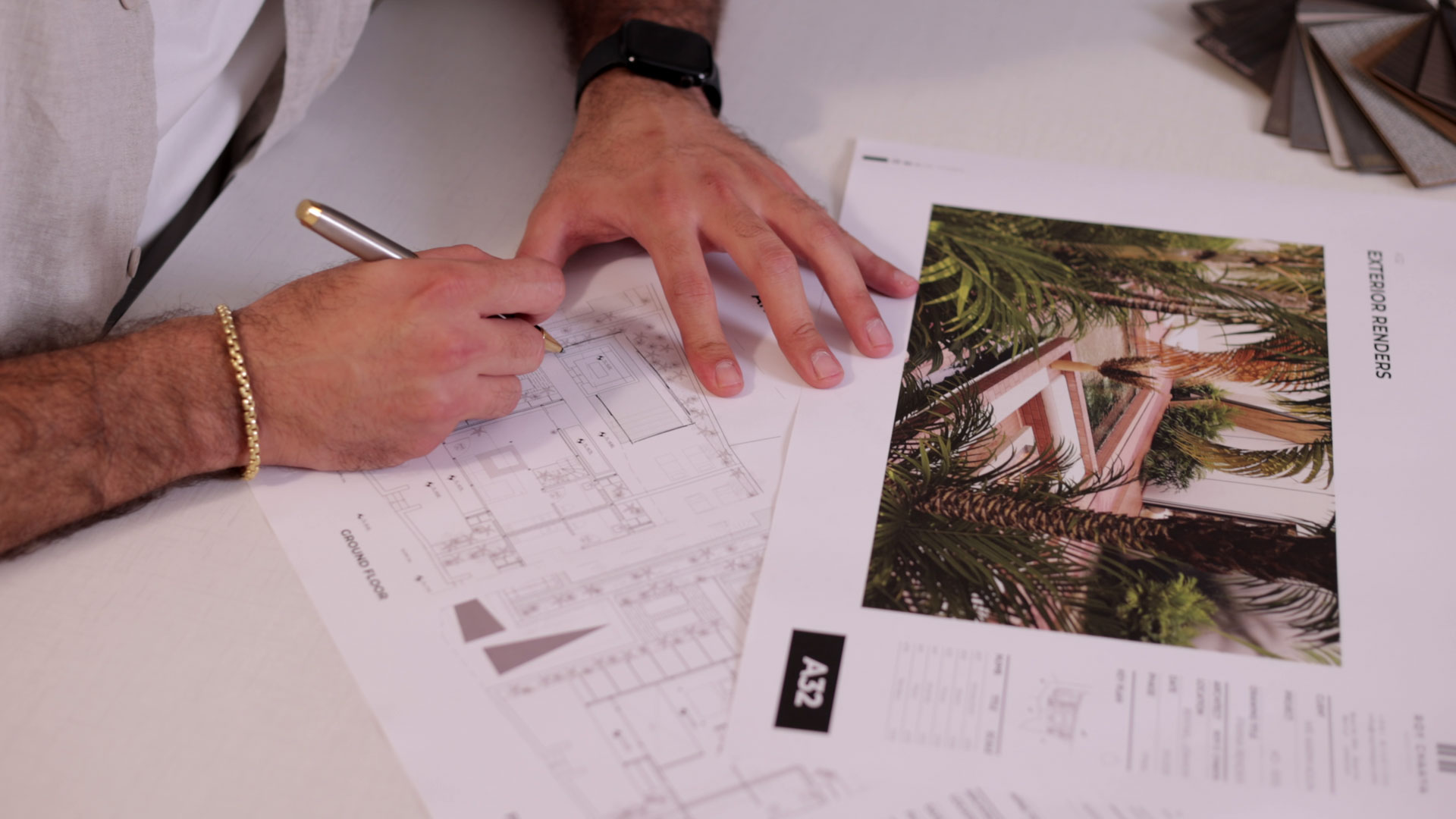
At Roy Chaaya Architects, we believe in evolution guided by purpose.
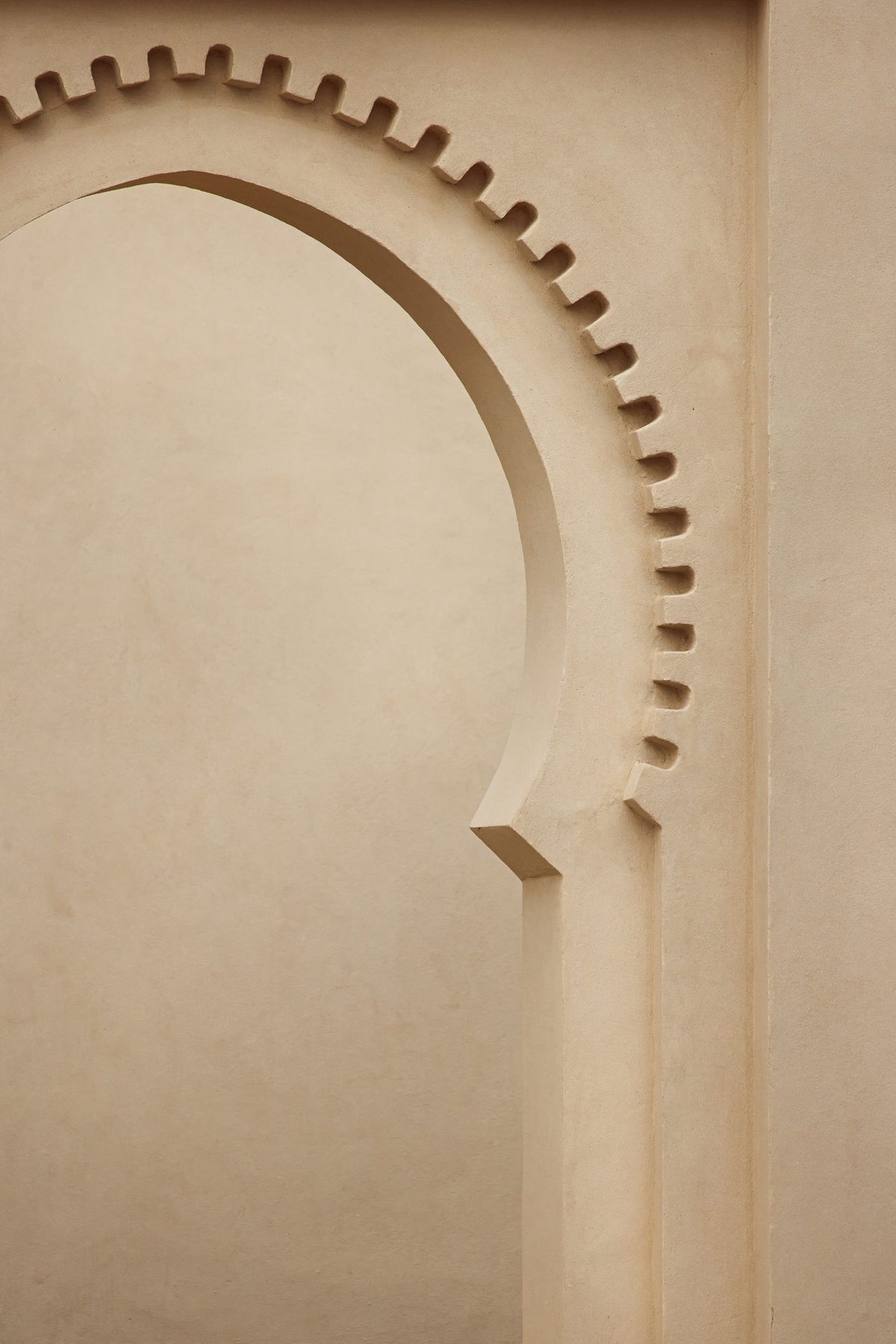
Innovation matters, but it must align with context and use. Each material chosen, each opening placed, each volume shaped should speak quietly of intent.
We welcome technology that improves performance, not noise. We integrate materials that age with dignity. We design forms that hold both beauty and logic.
Trends may come and go, but architecture grounded in craft and human rhythm remains timeless.
Principles That Endure
-
Function before flourish. A space should answer real needs.
-
Light as material. Let illumination shape mood before ornament does.
-
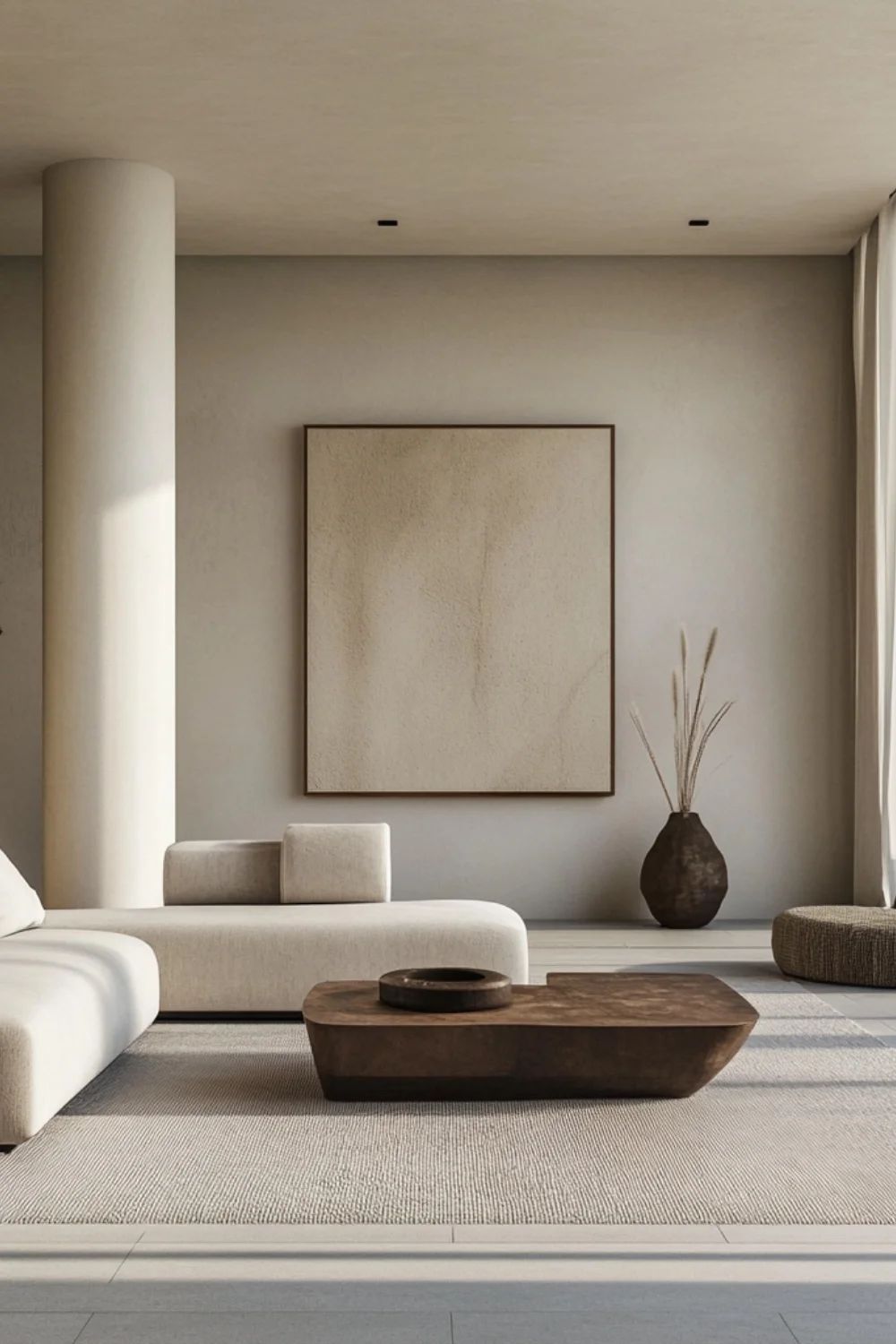
Simplicity as luxury. Clarity often outlasts complexity.
-
Context as guide. Every element should belong—to place, to purpose, to time.
Design that follows these principles feels effortless. It does not seek applause; it invites belonging.
Looking Ahead
Architecture’s future lies not in louder gestures but in quieter intelligence.
As we move forward, the task is to filter, refine, and build with meaning. Every project should stand as proof that design can be both contemporary and timeless, expressive yet disciplined.
Trends may entertain. Architecture should endure.